How to Prune Common fig?
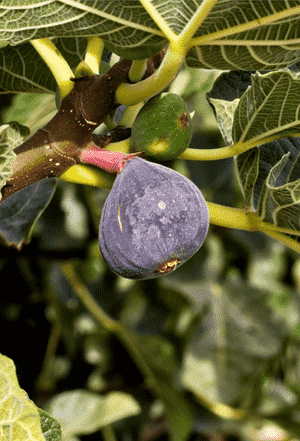
The common fig, known for its expansive foliage and palatable fruit, flourishes under proper trimming. Essential methods involve reducing crowded limbs and eliminating aged, unproductive wood to stimulate fresh development. The optimal period for this activity is during winter, when the plant is inactive. Pruning guarantees enhanced sunlight exposure and air movement, both crucial for the caliber of the fruit and averting illnesses. Particular attention should be paid to safeguarding the sap-generating regions to prevent hindrances in growth.
Advantages of Trimming Common Fig
Advantages of Trimming Common Fig
Trimming common fig promotes stronger, more productive branches, increasing harvest yield. It encourages robust growth and maintains desired shape, ensuring a well-managed, visually appealing tree structure.
Optimal Time for Trimming Common Fig
Optimal Time for Trimming Common Fig
Winter is considered the best period for trimming common fig due to several reasons. During this season, common fig is dormant, meaning its growth is temporarily paused, making it less vulnerable to stress from trimming. This allows the plant to recover and mend from cuts without diverting energy from active growth or fruit production. Furthermore, trimming in winter minimizes the chance of disease transmission, as many pathogens are inactive during colder weather. Removing dead or unwanted branches at this time prepares common fig for vigorous spring growth and can improve fruit quality and quantity.
Required Tools for Trimming Common Fig
Hand Pruners
Essential for making clean cuts on smaller branches and twigs of common fig, helping to maintain plant health.
Loppers
Suitable for cutting through thicker branches of common fig that hand pruners cannot handle due to their extended handles which provide more leverage.
Pruning Saw
Necessary for removing larger limbs from mature specimens of common fig that are beyond the capacity of loppers.
Hedge Shears
Useful for shaping common fig when it's desired to trim the plant into a hedge or specific form, although not commonly used for productive fig trees.
Gloves
Protective gloves are important to guard the gardener's hands against thorns, sap, or rough bark of common fig.
Pruning Sealer
Helpful to protect larger cuts on common fig from pests and diseases but should be used sparingly as common fig can generally heal without it.
How to Trim Common Fig
Step1: Tool Sanitization
Sanitize your trimming tools before starting the trimming process for common fig to prevent spreading any diseases between plants. Use a mixture of 1 part bleach to 9 parts water to clean the blades thoroughly.
Step2: Dead Wood Removal
Identify and remove all dead wood. These are branches that are brown inside when scratched slightly with a trimming tool, and they do not have green growth. Cuts should be made at the base of the dead branches, just above the junction with healthy wood.
Step3: Suckers and Sprouts Pruning
Assess the plant for water sprouts and suckers, which are excessive shoots that grow from the base of common fig or along the stem. Trim these vigorously growing shoots back to their point of origin, as they divert energy away from fruit production.
Step4: Damaged Limbs Cutting
Locate damaged limbs on common fig which may have occurred due to weather or mechanical injury. Use a clean cut to remove these limbs, cutting just above a bud facing the outside of the plant to encourage proper new growth.
Step5: Thinning Interior Branches
Thin the interior of common fig by removing some of the branches that are overcrowding the center. This increases air circulation and sunlight penetration, which is vital for the health and fruiting of common fig. Aim to retain a structure that facilitates an open center.
Step6: Branch Shortening for Growth
Shape common fig by cutting back the remaining branches by about one-third to encourage the growth of new fruiting wood. Make sure to cut just above a bud that is facing the direction you want the new growth to follow.
Step7: Cleanup of Trimmings
After trimming, clean up all the trimmings from around common fig to reduce the risk of disease and pest infestations.
Step8: Wound Sealing after Pruning
Apply a wound sealing compound to large cuts to promote healing and protect against pests and diseases, if recommended for common fig. However, many experts believe common fig heals better without such sealants, so follow the latest expert advice.
Step9: Post-Pruning Watering
Water common fig thoroughly after trimming to help reduce stress on the plant and support new growth.
Step10: Fertilization for Nutrient Replenishment
Apply a balanced fertilizer to the soil around common fig to replenish any nutrients lost through trimming and to promote healthy growth throughout the growing season.
Step11: Monitoring Pruning Response
Monitor common fig for a response to trimming. New growth should appear from the buds below each cut. Adjust subsequent trimming practices based on the health and vigor of common fig.
Post-Trimming Care for Common Fig
Post-Trimming Care for Common Fig
Immediately after trimming common fig, ensure it is well-watered to reduce stress and aid recovery. Maintain a stable environment, with indirect sunlight, moderate humidity, and temperatures between 60-75°F to foster healing. Apply a balanced, slow-release fertilizer to replenish nutrients, supporting new growth. Regularly inspect the trimming sites for signs of infection or pests, manifesting as wilted leaves or oozing sap. If such symptoms appear, treat promptly with appropriate fungicides or insecticides.
Common Trimming Mistakes with Common Fig
Avoiding Over-pruning for Plant Health
Over-trimming which can stress common fig too much, leading to reduced fruit production or even harming the plant.
Ensuring Clean Cuts with Sharp Tools
Not making clean cuts or using dull trimming tools, which can damage the branches and leave common fig susceptible to disease and pests.
Defining Clear Goals Before Pruning
Trimming without a clear objective, such as shaping the tree or removing dead or diseased wood, which could result in an unhealthy plant structure.
Prioritizing Removal of Diseased Branches
Ignoring diseased or dead branches which should be a priority when trimming to prevent the spread of disease and to maintain plant vitality.
Proper Cutting Technique Near Main Branch
Cutting too close to the main branch or trunk, which can prevent proper healing and potentially expose the plant to infections.
Common Trimming Tips for Common Fig
Using Sharp Shears for Healthy Cuts
Use sharp, clean trimming shears to make precise cuts on common fig, which will foster quick healing and reduce the risk of disease.
Pruning for Better Structure and Fruit Development
Always trim with the intention of maintaining or improving the structure of common fig, such as opening up the canopy for better light penetration and air circulation, which are crucial for fruit development.
Removing Suckers and Water Sprouts to Increase Fruit Yield
Remove any suckers and water sprouts that appear at the base of common fig or along the branches, as these divert energy away from fruit production.
Pruning to the Branch Collar for Proper Healing
When targeting larger branches, trim them back to the branch collar, not flush with the trunk, to support proper healing.
Tool Sanitization Post-Pruning to Prevent Disease Spread
After trimming, sanitize your tools to prevent the spread of any potential pathogens to common fig or other plants in your garden.



