How to Transplant California Fescue?
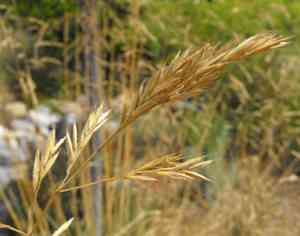
The ideal period for relocating California Fescue is during the revitalizing phase of early to mid-spring. Select a location offering full sunlight to partial shade and adequately draining soil for peak development. A gentle reminderâconfirm root system development prior to the onset of warm temperatures!
What Preparations are Needed Before Transplanting California Fescue?
What is the Ideal Time for Transplanting California Fescue?
The optimal period for relocating california Fescue is during the start and mild days of early to mid-spring. This timeframe provides a gentle climate, allowing roots to establish prior to summer's heat. Moving california Fescue then enables the plant to benefit from the upcoming growth season, encouraging strong root systems and peak health. Be assured, following this schedule promotes a successful move and vibrant displays of california Fescue throughout the year.
How Much Space Should You Leave Between California Fescue Plants?
To ensure your california Fescue thrives, adequate room for root expansion is necessary. Position them approximately 1-2 feet (30-60 cm) apart. This spacing will provide optimal growing conditions.
What is the Best Soil Mix for California Fescue Transplanting?
Your california Fescue flourishes in well-drained soil with a pH ranging from slightly acidic to neutral. Remember to enrich the soil with a balanced, slow-release fertilizer before planting to encourage vigorous plant growth.
Where Should You Relocate Your California Fescue?
For optimal outcomes, plant your california Fescue in an area that receives full sun to partial shade. A location with morning sunlight and afternoon shade can be an excellent choice for your young plants.
What Equipments Should You Prepare Before Transplantation California Fescue?
Gardening Gloves
To safeguard your hands while handling soil and california Fescue.
Garden Spade or Trowel
This tool is crucial for excavating california Fescue from its current spot and creating a new cavity at the transplant location.
Watering Can
To hydrate the soil before and after the transplant.
Wheelbarrow
To move the california Fescue from its original spot to the new planting site, depending on the plant's size.
Mulch
To reduce moisture loss from the soil surface and prevent weed growth around california Fescue.
How Do You Remove California Fescue from the Soil?
How Do You Remove California Fescue from the Soil?
From Ground: First, moisten the california Fescue plant to soften the soil, making excavation easier. Then, dig a wide trench around the plant using a spade or trowel, ensuring the plant's root ball remains intact. Work the spade beneath the root ball to lift the california Fescue from its original position.From Pot: Begin by watering the plant before extracting it from its container to prevent root shock. Invert the pot and maintain a firm grip on the stem near the soil surface. Tap the pot's rim against a solid surface to loosen it. If it doesn't release easily, run a knife around the pot's edge to free the root ball.From Seedling Tray: Water the seedling tray and gently push from the bottom to lift the california Fescue out of the cell. Hold it by the leaves, not the stem, to avoid damage. It is ready for immediate transplanting.
Step-by-Step Guide for Transplanting California Fescue
Preparation of New Location
Prepare the new site for california Fescue by carefully digging a hole large enough to comfortably accommodate the roots.
Transplanting
Position california Fescue in the hole, ensuring the top of the root ball is level with the soil surface. Backfill the hole with soil, gently firming around the base of the california Fescue.
Watering
Thoroughly water the california Fescue after transplanting, but avoid over-saturating the soil.
Mulching
Spread a layer of mulch around california Fescue, making sure it doesn't touch the stem, to help retain soil moisture.
How Do You Care For California Fescue After Transplanting?
Regular Watering
Water california Fescue consistently to keep the soil damp, especially during the initial weeks. However, prevent the soil from becoming waterlogged.
Watching for Stress Signs
Observe california Fescue for indications of stress such as yellowing leaves or wilting. If these signs persist, seek advice from a local nursery or horticultural service.
Pest Control
Keep an eye out for pests that could harm california Fescue. Implement suitable pest control measures if necessary.
Pruning
Pruning might be required to maintain the size and shape of california Fescue. Learn the correct method to prune this plant to avoid causing any damage.
Troubleshooting Common Issues with California Fescue Transplantation.
When is the best period to transplant california Fescue?
The optimal time to transplant california Fescue is during S1-S2. This timing aids the plant in establishing roots and adapting to its new surroundings.
What's the optimal spacing when transplanting california Fescue?
You want to provide california Fescue with ample room to grow. Ideally, ensure a distance of 1-2 feet (30-60 cm) between each plant.
Do I need to water california Fescue immediately after transplanting?
Yes, it's crucial to water california Fescue right after transplanting. This helps the soil settle around the roots, preventing air pockets.
What type of soil is best for california Fescue after transplanting?
California Fescue prefers well-draining soil that is fertile and slightly acidic. This promotes healthy root development and plant growth.
What happens if the transplanted california Fescue looks wilted or droopy?
Transplant shock might be the cause. Keep it adequately watered but avoid waterlogging. Over time, the plant should recover and flourish.
How should I prepare the transplanting site for california Fescue?
Prepare the site by tilling the soil to a depth of about 10-12 inches (25-30 cm). This loosens the soil and allows for easy root penetration.
Should I prune california Fescue before transplanting?
Yes, pruning california Fescue before transplanting by removing old or diseased foliage can help the plant direct its energy towards root development.
Can I transplant california Fescue in a pot first?
Absolutely! Transplanting california Fescue into a pot initially allows for better control over growing conditions and simplifies relocation if needed.
What if the leaves of the transplanted california Fescue start turning yellow?
Yellowing leaves could indicate overwatering, nutrient deficiency, or poor drainage. Ensure proper care and conditions for your california Fescue.
How often should I water the transplanted california Fescue?
California Fescue prefers moist soil, but not excessively wet. Water thoroughly when the top 1 inch (2.5 cm) of soil feels dry to the touch.



