How to Propagate California Fescue?
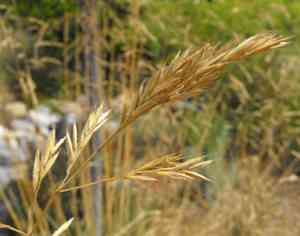
California Fescue multiplies most effectively by dividing the plant in Spring and Autumn. This propagation method can present a moderate level of difficulty. Evidence of successful propagation includes the emergence of new shoots and well-developed root structures. Adequate hydration and appropriate soil conditioning are crucial for achieving the best outcomes.
Optimal Period for California Fescue Propagation
Propagation Method
Separation
Propagation Period
Spring, Autumn
Tools for California Fescue Propagation
Spade or shovel
A spade or shovel is utilized to gently extract california Fescue from the ground with minimal root disturbance. These implements are crucial for digging around the mature plant's root ball, ensuring a substantial amount of soil remains with the roots during division. A sharp spade also facilitates clean cuts if root separation is necessary.
Garden fork
The garden fork is vital for loosening the soil around california Fescue prior to division. It aids in aerating the soil and simplifies lifting the plant without harming the root system. It can also be employed to gently separate roots when dividing clumps.
Pruning shears
Pruning shears are employed to trim any dead or excess foliage and roots from california Fescue post-division. This helps mitigate transplant shock and directs the plant's energy towards re-establishing in a new location. Using sharp, clean shears is important for making precise cuts and reducing disease risk.
Rooting hormone (optional)
While not always essential, rooting hormone can be applied to the cut surfaces of california Fescue's roots during division to encourage robust root development and lessen transplant stress. This can be particularly advantageous for ensuring successful establishment of new divisions.
Watering can or hose with a soft spray attachment
Following the division and replanting of california Fescue, thorough watering is essential. A watering can or hose with a soft spray attachment delivers gentle, even moisture, helping to settle the soil around the roots and eliminate air pockets, without disturbing the newly planted divisions.
Gloves
Gloves safeguard hands from soil and potential irritants when handling california Fescue during the propagation process. They also offer improved grip when dealing with slick roots or soil.
Propagating California Fescue: A Guide
Propagation Method
Division
Difficulty Level
Simple
Post-Propagation Care for California Fescue
Post-Propagation Care for California Fescue
To care for california Fescue after propagation, establish a consistent watering routine to keep the soil uniformly moist but not waterlogged, as california Fescue has moderate water needs. Provide full sun to partial shade exposure, as california Fescue can tolerate various light conditions. Fertilize lightly in the spring with a balanced, slow-release fertilizer to support new growth. Avoid excessive fertilization, which can lead to weak growth and reduced hardiness. As a California native, california Fescue is adapted to local conditions and generally requires minimal upkeep. Regular trimming of spent foliage can promote a neat appearance and encourage fresh growth.
Common Errors to Avoid When Propagating California Fescue
Excessive watering
Watering california Fescue too frequently is a common error. Overwatering can lead to root rot, which can be detrimental to the plant's health and impede the development of young plants propagated from it.
Poor soil drainage
Failing to ensure adequate soil drainage can result in waterlogged conditions that are unfavorable for california Fescue's root health, potentially causing rot or fungal diseases.
Trimming too short
When propagating california Fescue by division, cutting the plant into very small sections can stress the plant and reduce its chances of successful regrowth.
Ignoring parent plant health
Attempting to propagate california Fescue from a parent plant that is unhealthy or stressed can result in poor quality offspring that are less likely to thrive.
Crowded planting
Planting propagated california Fescue too closely can increase competition for resources and hinder proper growth, leading to weaker plants.
Tips for Propagating California Fescue
Rooting hormone application
Applying a rooting hormone to cuttings or divisions can stimulate root development, increasing the success rate of california Fescue propagation.
Careful division
When dividing california Fescue, ensure each section possesses sufficient roots and foliage to thrive after planting, as this provides adequate energy for recovery and growth.
Soil preparation
Preparing a well-draining soil mix that retains some moisture is crucial for california Fescue, as it mimics the plant's natural growing conditions.
Aftercare
Providing consistent care after propagation, such as appropriate watering, can help california Fescue establish itself and avoid shock from the propagation process.
Tool sanitation
Clean and sterilize all tools before using them to propagate california Fescue to prevent the spread of disease and ensure healthy plant growth.



