How to Prune California Fescue?
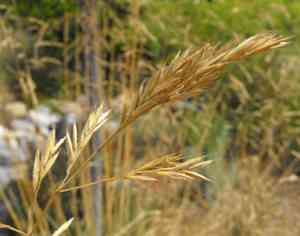
California Fescue, a cool-weather, clumping grass, flourishes with infrequent trimming. In early spring, cut away any deceased or discolored leaves to stimulate fresh development. The most suitable period for seasonal tidying is winter, when you should only take off faded seed heads and impaired foliage. Trimming is beneficial not just for appearance but also for fostering robust, thick clumps, thereby boosting the plant's vitality. Refrain from drastically cutting the grass to preserve its inherent shape.
What Are the Benefits of Pruning California Fescue?
What Are the Benefits of Pruning California Fescue?
Trimming california Fescue promotes robust development by eliminating old or lifeless leaves, thereby stimulating fresh shoots. It also aids in preserving its desired shape and density, maintaining california Fescue's inherent beauty.
What Is the Best Time for Pruning California Fescue?
What Is the Best Time for Pruning California Fescue?
The ideal periods for trimming or cutting back california Fescue are early spring and winter. Pruning in early spring, just before new growth begins, fosters healthy new development and helps keep the desired form and size. During this time, the plant is emerging from dormancy and can quickly recover from pruning stress. In winter, the plant is inactive, so pruning can be done with minimal risk of stressing the plant or disrupting growth cycles. It's crucial to avoid pruning during the active growing season, from late spring through summer, when california Fescue is using its energy to grow and can be more susceptible to pruning stress and disease.
What Tools Do I Need to Prune California Fescue?
Hand Pruners
These are essential for making precise cuts to remove dead or damaged foliage from california Fescue. Hand pruners are ideal for trimming smaller grass blades and ensuring clean cuts that promote healthy regrowth.
Long-Handled Shears
Due to california Fescue's clumping growth habit, long-handled shears are recommended for larger-scale trimming and to shape the grass without having to bend over. This tool is perfect for cutting back larger areas uniformly and quickly.
Grass Clippers
For finer control and maintenance of california Fescue's shape, grass clippers are useful. They can navigate the tufted growth of california Fescue effectively, allowing for detailed shaping and tidying of the edges.
How to Prune California Fescue
Clean and sharpen tools
Before pruning california Fescue, ensure that pruning tools are cleaned and sharpened to avoid disease transfer and to make precise cuts.
Remove dead foliage
Carefully trim away dead foliage from california Fescue at the base without disturbing the healthy, green growth.
Trim tattered leaves
Identify and cut back tattered leaves on california Fescue to the base of the leaf to promote new growth and improve air circulation.
Cut brown stalks
Remove brown stalks from california Fescue by cutting at the base to help redirect energy towards healthy parts of the plant.
Cleanup and dispose
Clean up and properly dispose of all the removed material from california Fescue to maintain hygiene and prevent the spread of pests or diseases.
Common Pruning Mistakes with California Fescue
Over-pruning
Removing too much foliage can stress california Fescue, hindering its ability to thrive. Limit cutting back to no more than one-third of the growth to maintain its natural shape and health.
Improper technique
Using dull or dirty tools can damage california Fescue's stems, potentially introducing disease. Always use sharp, clean pruning shears to make clean cuts.
Pruning too low
Cutting california Fescue too close to the ground may inhibit new growth. Leave several inches of growth to ensure the plant can resprout.
Ignoring dead material
Failing to remove dead or damaged foliage can invite pests and diseases. Regularly inspect california Fescue and clear away unviable material.
Uneven cuts
Making uneven or jagged cuts to california Fescue can cause unnecessary stress and damage to the plant. Ensure cuts are straight and smooth.
Neglecting plant shape
Not considering the natural form of california Fescue when pruning can lead to an unsightly appearance. Aim to maintain its natural, graceful habit when pruning.
Common Pruning Tips for California Fescue
Appropriate tools
Use the correct tools such as bypass pruners or grass shears for precise pruning. Sharp blades make for healthier cuts, reducing stress on california Fescue.
Hygiene
Sterilize pruning tools before and after use to prevent the spread of disease between plants.
Timing
While specific seasonal timing is excluded, it's crucial to prune at times that coincide with the plant's natural growth cycle to aid in recovery and vitality.
Faded inflorescences
Remove spent flower stalks to encourage new blooms and maintain a tidy appearance. However, if seed dispersal for naturalization is desired, leave the stalks in place.
Gentle shaping
Reshape california Fescue lightly to maintain an attractive form, rather than severe cutting back, which might damage the plant's structural integrity.
Growth direction
Prune california Fescue by cutting above leaf nodes that point in the direction you wish to encourage new growth. This will help maintain the desired form and fullness.
Health assessment
Regularly assess the health of california Fescue, removing only the necessary amount of foliage to improve air circulation and light penetration, vital for the plant's overall health.



