How to Overwinter California Fescue
1
California Fescue tolerates cold well, making it a good choice for winter planting in many areas.
2
Adequate mulch helps shield California Fescue roots from freezing conditions.
3
Inspect for pests often in winter, as they can harm California Fescue even when it's cold.
Why Overwinter California Fescue?
Why Overwinter California Fescue?
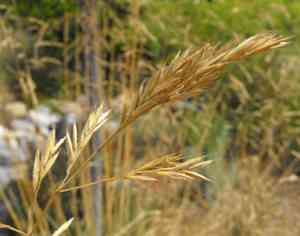
Protecting California Fescue (Festuca californica) through winter is crucial for maintaining its health and vitality. This robust, ornamental grass is frequently used to enhance garden designs due to its lush, green appearance and adaptability to various conditions. By taking necessary preventive measures, you can help California Fescue emerge stronger and more vibrant in the spring. Ensuring your California Fescue survives the winter not only improves your garden's visual appeal but also supports the plant's long-term well-being.
Preparing California Fescue for Winter
When to Start Preparing
Initiate winter preparations for California Fescue in late autumn, approximately two to three weeks before the first anticipated frost. This provides ample time for the plant to adapt to changing conditions. Monitor local frost dates to ensure timely readiness.
Watering Requirements
As temperatures decrease, progressively reduce the amount of water given to California Fescue. Excessive watering in cold weather can cause root rot and other problems. Aim to keep the soil damp but not saturated. Watering should be significantly decreased just before the ground freezes to prevent water from pooling and freezing around the roots.
Fertilizing Tips
Avoid applying fertilizer to California Fescue late in the season. The optimal time for fertilization is early autumn. Utilizing a slow-release fertilizer can help the plant accumulate essential nutrients to endure winter without encouraging excessive new growth, which can be harmed by frost.
Mulching for Extra Protection
Applying a layer of mulch around the base of California Fescue helps insulate the soil and retain warmth. Organic mulch, such as straw, bark, or leaves, applied about 5-10 cm (2-4 inches) thick, can effectively shield the plant's roots from freezing temperatures. Be careful not to pile mulch directly against the plant's crown to prevent rot.
What Are Common Challenges When Overwintering California Fescue?
Pest Control
Even during colder months, pests can threaten California Fescue. Common pests include aphids, mites, and even rodents. Regularly inspect your plants and employ environmentally friendly pest control methods like neem oil or insecticidal soaps to deter these unwelcome visitors.
Dealing with Frozen Soil
Frozen soil can lead to hydration issues and root damage for California Fescue. To counteract this, ensure proper mulching and consider using winter covers for additional insulation in extremely cold climates. If feasible, you can also plant California Fescue in raised beds to improve drainage and soil temperature regulation.
Reviving California Fescue Post-Winter
Pruning Tips
Once the danger of frost has passed and new growth commences, trim back any dead or damaged foliage. This helps the plant direct energy towards fresh growth. Prune down to the base, removing older leaves to make way for new, vibrant ones.
Resuming Regular Watering and Feeding
Gradually reintroduce consistent watering once the soil begins to warm. Establish a regular watering schedule to keep the soil uniformly moist. Resume feeding with a balanced, slow-release fertilizer to support healthy new growth and overall plant vigor.



