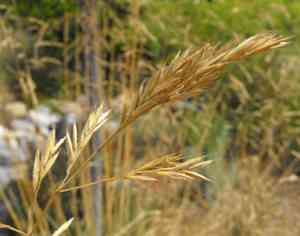
California Fescue (Festuca californica)
Also known as: California fescue
California Fescue (Festuca californica) thrives in partly shaded environments and needs minimal water. Renowned for its effectiveness in erosion control, it's also used by conservationists to restore native grasslands overtaken by invasive species. This grass is indigenous to both Oregon and California.
In This Article
Attributes of California Fescue
Lifespan
Perennial
Plant Type
Grass
Plant Height
46 cm to 1.4 m
Spread
45 cm to 1.05 m
Leaf Color
Green Blue Gray
Flower Size
N/A
Flower Color
Yellow Green White Purple Brown
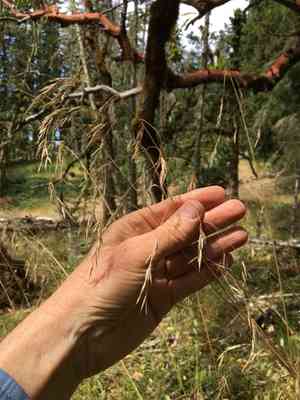
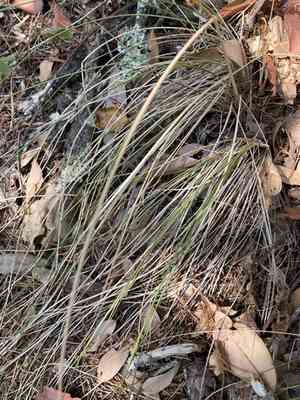
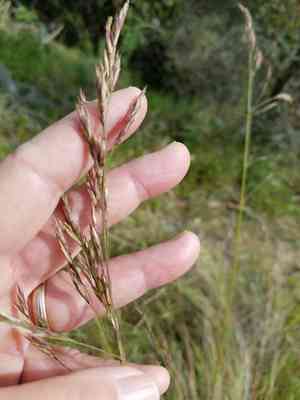
Images of California Fescue
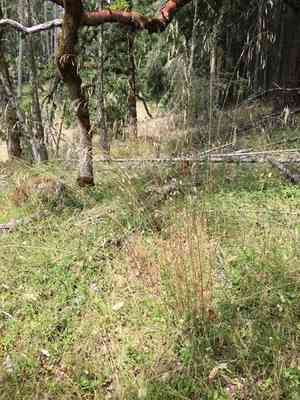
Quickly Identify California Fescue
1
Identifying Festuca californica can be done by looking for its blue-green to grayish-green leaves, which are long and narrow. The grass forms dense clumps and the inflorescence is a loose, open panicle with light, airy spikelets.
Scientific Classification of California Fescue
Phylum
Vascular plants
Class
Monocotyledons
Order
Poales
Family
Grass
Genus
Festuca
Species
California Fescue
Planting and Growing of California Fescue
Care Difficulty
Easy
Watering Schedule
Every 2 days
Sunlight Requirements
Full sun
Sunshine Duration
6-12 hours
Ideal Temperature
50-77℉
Soil Type
Potting Mix, Peat Mix
Soil pH
6.5-7.5
Fertilizer Type
Balanced
Pruning Season
Spring, Summer
Pruning Area
Branches, Leaves
Pruning Frequency
2 times a year
Repotting Season
Spring
Pot Type
Plastic, Ceramic
 How to Water California Fescue?
Festuca californica prefers a moderate amount of water, approximately 250 milliliters each session. The key is to water until the soil is evenly moist but not soggy. Keep in mind that its roots should not sit in waterlogged soil.
What are the symptoms of an underwatered California Fescue?
›
What should I do if my California Fescue is not getting enough water?
›
What are the symptoms of an overwatered California Fescue?
›
How to save an overwatered California Fescue?
›
 What Are the Sunlight Requirements for California Fescue?
Festuca californica thrives best in full to partial sun environments. Ideal lighting ensures energetic growth, vibrant leaf color, and strong resistance to stressors.
More About Sunlight Requirements Techniques→
What is the ideal amount of sunlight for Festuca californica?
›
How can I ensure Festuca californica gets the right lighting?
›
What are the benefits of ideal lighting for Festuca californica?
›
 What Is the Ideal Temperature Range for California Fescue?
The ideal temperature range for growing Festuca californica is between 50 and 77°F. This range offers the perfect balance for photosynthesis and respiration processes, ensuring healthy growth and development. Maintaining this temperature will prevent stress-related growth issues and promote optimal foliage health.
 What Soil is Best for California Fescue?
For Festuca californica, ensuring well-drained soil is crucial as it prevents root rot and other moisture-related issues. A sandy or loamy soil facilitates efficient drainage, ensuring healthy root growth and reducing the chances of fungal infections. This plant thrives in nutrient-rich soil, which supports vigorous growth and enhances its resilience against pests and diseases. Adding compost or organic matter can enrich the soil, providing essential nutrients for optimal health and lush foliage. Although Festuca californica is drought tolerant, moderate soil moisture is essential for sustained growth, particularly in its early establishment phase. Maintaining consistent moisture encourages robust growth while preventing dehydration stress.
 How to Fertilize California Fescue?
For Festuca californica, apply a light layer of organic compost or balanced all-purpose fertilizer. Avoid heavy feeding as this grass thrives with minimal nutrients. Use about 1/4 cup per square foot of ground area to enhance growth without overwhelming the plant.
 How to Prune California Fescue?
Begin by visually inspecting the plant and identifying any dead or browned grass blades. Use your pruning shears to carefully remove these areas, minimizing discoloration and making way for healthy new growth. After removing dead growth, shape the plant by trimming back longer blades to create a neat, rounded appearance. This not only enhances the ornamental value but also ensures even sunlight distribution across the plant.
More About Pruning Techniques→
 How to Propagate California Fescue plant?
1
To ensure successful propagation, prepare a well-drained soil mix for planting. This helps in providing a nutrient-rich environment that mimics the plant's natural habitat, promoting healthy growth.
2
Place Festuca californica seeds on the surface of the prepared soil and lightly cover them with a thin layer of soil or sand. This ensures optimal exposure to light, which is necessary for germination. Keep the soil moist but not soggy until germination occurs.
3
For division propagation, carefully dig up an established plant in early spring. Use a garden trowel to separate the clump into smaller sections, ensuring each section has healthy roots. Replant the sections at the same soil depth and water thoroughly.
 How to Repot California Fescue plant?
1
Californica fescue should be repotted when you notice its roots spilling out of the pot's drainage holes or if the soil doesn't retain moisture well. Spring or autumn are optimal times as the plant is in an active growth phase, making recovery easier.
2
Select a pot slightly larger than the current one, with good drainage holes. This allows for root expansion and prevents water from stagnating. Material like terracotta can help wick moisture away from the soil, keeping the fescue healthy.
3
Opt for a sandy loam mix, which is crucial for Califonica fescue's drainage needs. Such soil mimics its natural habitat, providing sufficient aeration and reducing the risk of root rot.



