How to Transplant Blue daisy?
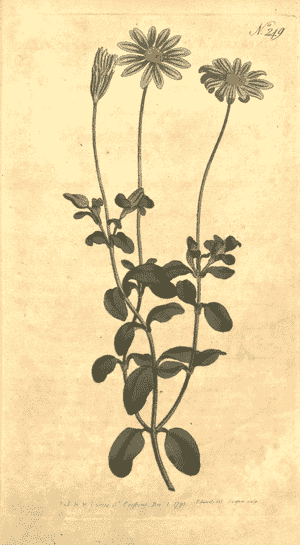
The most favorable period for relocating blue daisy is in mid-spring, since consistent temperatures aid in root development. Select a bright location featuring soil that drains effectively, and guarantee consistent hydration after the move to foster development.
What Preparations are Needed Before Transplanting Blue Daisy?
What is the Ideal Time for Transplanting Blue Daisy?
The optimal period to move blue daisy is during the refreshing onset of mid to late spring. This season offers a perfect mix of mild temperatures and natural revitalization, allowing blue daisy's roots to establish well without harsh weather stress. Relocating blue daisy at this time leverages its active growth phase, encouraging robust development and giving your blue daisy the strong start it needs. You'll observe your blue daisy thriving with vitality, rewarding you with their vibrant blooms.
How Much Space Should You Leave Between Blue Daisy Plants?
For your blue daisy, it's best to maintain approximately 0.5-1 feet (15-30 cm) of distance between each plant when relocating. This ensures ample room for growth, preventing root competition for essential nutrients.
What is the Best Soil Mix for Blue Daisy Transplanting?
Begin preparing the soil for blue daisy. It thrives in well-draining soil. Incorporating some sandy soil can be beneficial. A slow-release granular fertilizer would serve well as a foundational nutrient source. Your blue daisy will appreciate this care as it develops.
Where Should You Relocate Your Blue Daisy?
Choose a spot for your blue daisy that receives ample sunlight. These plants adore the sun! However, a location with partial shade can also work if that's your only option.
What Equipments Should You Prepare Before Transplantation Blue Daisy?
Gardening Gloves
To shield your hands from dirt and abrasions while handling the blue daisy.
Garden Trowel
For excavating the hole in your garden where blue daisy will be replanted.
Shovel or Spade
If you are extracting the blue daisy from its original spot, you'll need this to carefully lift the plant without harming its root ball.
Garden Hose or Watering Can
For hydrating the blue daisy both prior to and following transplantation.
Mulch
This will help retain moisture in the soil around the blue daisy and shield it from temperature extremes.
Pruning Shears
Utilize these to trim any damaged or excessive growth.
How Do You Remove Blue Daisy from the Soil?
How Do You Remove Blue Daisy from the Soil?
From Ground: Start by moistening the blue daisy plant's soil with water to make it easier to work with. Using your shovel or spade, dig a circle around the plant, ensuring the root ball remains undisturbed. Gently slide the spade beneath the root ball and carefully lift the plant from the ground.From Pot: Begin by watering the potted plant; this will loosen the soil, facilitating removal. Turn the pot sideways, hold the blue daisy gently by its stems, and pull the plant out with its root ball intact. If it's stuck, tap the bottom of the pot to dislodge it.From Seedling Tray: Be extremely delicate here. Water the tray to loosen the soil. Use a dibber or a small stick to lift the seedling from the bottom. Ensure the taproot is not damaged or bent.
Step-by-Step Guide for Transplanting Blue Daisy
Preparation
Ensure the new planting area is clear of weeds and other vegetation. Pre-water the blue daisy at its current location a few hours before moving it. If the blue daisy is in a container, water it until water drains from the bottom.
Digging the Hole
Excavate a hole in the ground that is twice as wide and equal in depth to the blue daisy's root ball. Roughen the sides of the hole to encourage roots to penetrate the surrounding soil.
Placing the Plant
Position the blue daisy in the center of the hole, making sure the top of the root ball is level with or slightly above the soil surface.
Refilling the Hole
Backfill the remaining hole with soil and gently firm it around the base of the blue daisy.
Watering
Thoroughly water the blue daisy, ensuring the entire root zone becomes saturated.
Mulching
Spread mulch around the blue daisy to conserve moisture and inhibit weed growth.
How Do You Care For Blue Daisy After Transplanting?
Watering Schedule
After relocating the blue daisy, it requires consistent watering. Water it thoroughly and keep the surrounding soil damp, but be careful not to over-water. Reduce watering as the plant becomes established.
Pruning
It's normal for your blue daisy to appear somewhat stressed post-transplant. Avoid immediate drastic pruning. Wait a week or two, then remove only the parts that haven't recovered.
Check for Pests
Monitor for pests or disease, as blue daisy can be more vulnerable after transplanting. If you observe unusual signs like yellowing leaves or stunted growth, consult a local nursery or extension service.
Patience is Key
Remember, it may take some time for your blue daisy to recover after being moved. As long as you provide the necessary care, it should flourish in its new environment.
Troubleshooting Common Issues with Blue Daisy Transplantation.
What's the best time of year to transplant blue daisy?
The optimal period to relocate blue daisy is between late spring and early summer (S2-S3). This timeframe provides the perfect balance of temperature and rainfall for blue daisy to thrive after being moved.
How much space should I leave between each blue daisy during transplantation?
Allow blue daisy ample room to grow! Maintain a spacing of 0.5-1 feet (15-30 cm) between each plant. This ensures sufficient space for vigorous growth and promotes good air circulation.
What's the best way to prepare the soil for transplanting blue daisy?
First, clear the area of any weeds or debris. Then, enrich the soil with abundant organic matter or compost. This will supply essential nutrients needed for blue daisy's healthy development.
How deep should the hole be when transplanting blue daisy?
Dig a hole twice the width of the root ball and equally deep. This creates a comfortable space for blue daisy's roots to spread and grow without undue pressure or stress.
Why is blue daisy wilting after I transplanted it?
Blue daisy might be wilting due to transplant shock. Ensure you water the plant thoroughly after moving it to aid recovery. However, if wilting persists, consider providing shade until the plant stabilizes.
How much watering does blue daisy need after transplantation?
Water blue daisy thoroughly immediately after transplanting, and keep the soil consistently moist for several weeks. However, avoid overwatering as it can lead to root rot.
Can I use fertilizer immediately after transplanting blue daisy?
No, it's advisable to wait a few weeks after relocating blue daisy before applying any fertilizer. Direct application of fertilizer to a newly transplanted plant may cause root burn.
What if blue daisy is not blooming after transplanting?
Don't be concerned! Blue daisy may require some time to adapt to its new surroundings before flowering. Provide it with the proper care it needs, including sun exposure, watering, and patience.
Why are the leaves of my transplanted blue daisy turning yellow?
This could be a result of overwatering or inadequate drainage. Check the soil before watering and ensure it isn't waterlogged. Also, consider adding compost or sand to improve soil drainage.
How to protect my recently transplanted blue daisy from pests?
Regularly inspect blue daisy for any signs of pests. Use a gentle water spray to dislodge small pests, or consider organic pesticides if infestation continues. Remember, prevention is crucial!



