Enhancing Your Garden Design with the Blue daisy Plant: A Landscaping Guide
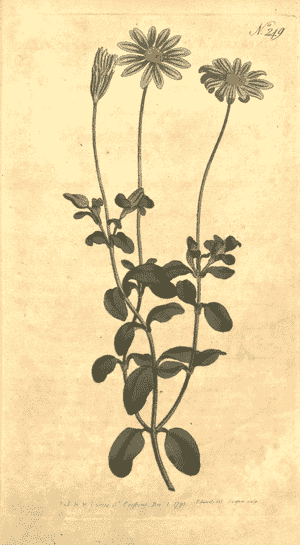
1
Blue daisy offers striking visual charm and dimension to any garden.
2
Ideal light and ground conditions are essential for Blue daisy's development.
3
Combining Blue daisy with suitable plants improves garden beauty.
Introducing Blue Daisy in Landscaping
Overview of Blue daisy's visual appeal and growth characteristics
Blue daisy enlivens any outdoor space with its vivid blue blossoms and rich green leaves. It grows compactly, fitting well in both small plots and expansive grounds. This plant thrives in mild climates, reaching heights of 12 to 18 inches, making it ideal for borders or ground cover. Its continuous flowering from spring through fall ensures your garden stays colorful for much of the year.
The role of Blue daisy in garden aesthetics
Blue daisy significantly boosts garden beauty with its captivating blue flowers, which offer a striking contrast to other plants' greenery. This plant is perfect for brightening dull areas and performs wonderfully in both structured and informal garden designs. Its adaptability allows for use in flowerbeds, rock gardens, and even as a potted plant on patios or balconies, bringing natural charm to urban settings.
Selecting the Ideal Spot for Blue Daisy
Evaluating sunlight and soil conditions for optimal growth
For Blue daisy to flourish, it's crucial to plant it where it receives full sun to partial shade. Ideally, Blue daisy prefers soil that drains well, with a pH level between 6.0 and 7.5. Before planting, test your garden soil to confirm these conditions are met. If needed, enrich the soil with compost or sand to improve its quality and drainage.
Practical tips for planting Blue daisy in various landscape zones
When planting Blue daisy, space them about 12 inches apart to ensure adequate air circulation and growth. In cooler regions, consider placing Blue daisy near a south-facing wall for added warmth. In hotter climates, providing some shade during peak afternoon hours can prevent wilting. Integrate Blue daisy into rock gardens, along paths, or as an edging plant to maximize its visual impact.
Integrating Blue Daisy into your Existing Landscape
Complementary plants that pair well with Blue daisy
Blue daisy combines beautifully with various other plants, creating harmonious and visually pleasing arrangements. Consider planting Blue daisy alongside yellow or white flowers like coreopsis or daisies for a contrasting effect. Ornamental grasses and silver-leafed plants also make excellent companions, enhancing the blue tones of Blue daisy and adding texture to the garden.
Design strategies for incorporating Blue daisy into garden themes
To effectively integrate Blue daisy into your garden theme, consider its placement and the overall design you aim to achieve. For a cottage garden look, intersperse Blue daisy with other wildflowers and perennials. In a modern garden, use Blue daisy in geometric patterns or as a single-color feature. As a versatile plant, Blue daisy adapts well to various garden styles, from tropical to Mediterranean, allowing for creative landscape design.
Maintenance Tips for Blue Daisy
Basic upkeep recommendations
Maintaining Blue daisy is relatively straightforward, making it an appealing choice for both new and experienced gardeners. Regular watering, especially during dry periods, helps keep the plant healthy. However, be careful not to overwater, as this can lead to root rot. Removing spent flowers encourages continuous blooming and prevents the plant from becoming leggy.
Seasonal care for maintaining Blue daisy's beauty
In spring, fertilize Blue daisy with a balanced, slow-release fertilizer to support its growth. Mulching around the plant bases helps retain soil moisture and suppress weeds. In colder climates, protect Blue daisy from frost by covering it with a frost cloth or growing it in movable containers. Pruning in late winter or early spring will encourage new growth and maintain a compact shape.
Benefits of Including Blue Daisy in Your Landscape
Environmental advantages of growing Blue daisy
Blue daisy offers several environmental benefits, such as attracting pollinators like bees and butterflies, which are vital for a healthy garden ecosystem. Its dense foliage also provides shelter and nesting spots for beneficial insects. Furthermore, Blue daisy is drought-tolerant once established, making it a water-efficient choice for environmentally conscious gardeners.
How Blue daisy can boost curb appeal and property value
Incorporating Blue daisy into your landscape can significantly enhance your property's curb appeal with its unique color and lush foliage. A well-designed garden featuring Blue daisy can make your home stand out, potentially increasing its market value. Prospective buyers often appreciate attractive landscaping that requires minimal upkeep, making Blue daisy a smart investment for any homeowner.



