The Blue daisy Plant Advantage: Maximizing Home and Office Appeal and Wellness
1
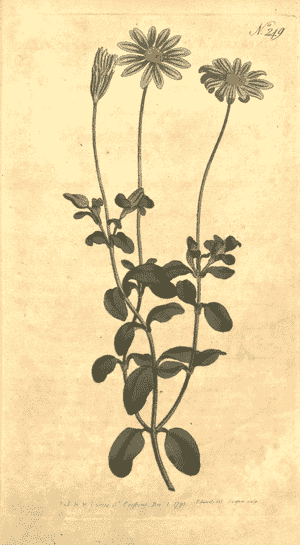
The blue daisy is an easy-care plant that flourishes in bright sunlight.
2
It draws in helpful pollinators such as bees and butterflies.
3
Blue daisies provide vivid blue flowers that can beautify any garden setting.
What Makes Blue Daisy Special?
Drought Resistance
Blue daisy exhibits high drought tolerance, making it a superb option for arid regions or gardens in areas with infrequent rainfall. Its deep root system enables it to access subterranean water, sustaining its vibrant blossoms even during dry periods.
Effortless Upkeep
A key appealing characteristic of Blue daisy is its minimal maintenance requirement. It needs little attention once established and thrives with occasional watering and standard garden soil. This makes it ideal for novice gardeners or those with busy schedules.
How Does Blue Daisy Benefit Your Garden's Ecosystem?
Attracts Pollinators
The vivid blue flowers of Blue daisy are not only visually appealing; they also draw in beneficial pollinators such as bees and butterflies. By attracting these insects, Blue daisy aids in pollination, contributing to the well-being of other plants in your garden.
Boosts Biodiversity
Adding Blue daisy to your garden can improve biodiversity. By offering sustenance and refuge for various insects and small creatures, it fosters a more balanced and diverse ecosystem. This will not only beautify your garden but also create a sanctuary for wildlife.
Can Blue Daisy Thrive in Diverse Climates?
Adapts to Various Soil Types
Blue daisy is versatile, adapting to a broad spectrum of soil types, from sandy to clay. Whether you have rich garden soil or poorer quality earth, this plant can flourish with minimal soil amendments. This adaptability makes it a flexible choice for many garden environments.
Resilient in Diverse Climates
Blue daisy can prosper in various climatic conditions, from hot and dry to cool and temperate. Its resistance to fluctuating temperatures and harsh conditions makes it an excellent choice for diverse geographical areas.
How to Incorporate Blue Daisy into Your Garden Design?
Border and Edging Plant
Due to its compact growth habit, Blue daisy serves as an excellent border or edging plant. Its dense foliage and continuous blooms create a striking boundary in flower beds, pathways, or driveways, adding structural beauty to your garden layout.
Companion Planting
Blue daisy can be paired with a variety of other plants to enhance the overall beauty and health of your garden. It complements taller perennials and shrubs well, offering a cheerful contrast with its blue flowers. This practice can create a dynamic and visually pleasing garden space.
What Are the Landscaping Applications of Blue Daisy?
Ground Cover
Blue daisy can function as an effective ground cover, especially in areas where grass struggles to grow. Its dense growth habit prevents soil erosion and suppresses weeds, making it both a practical and attractive ground cover option for larger landscapes.
Container Gardening
For those with limited space or urban gardeners, Blue daisy is superb for container gardening. Its compact size and low maintenance needs make it suitable for pots, window boxes, and hanging baskets. This allows you to enjoy its beauty and benefits even in small spaces.



