How to Prune Blue daisy?
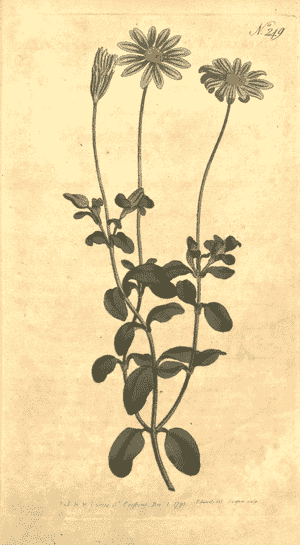
Recognized for its vibrant blue blossoms and dense, shrub-like habit, blue daisy flourishes with consistent trimming. Lightly shear the plant following its bloom period to sculpt its form and foster thicker foliage. Removing faded flowers encourages an ongoing display of blooms. Perform pruning from spring through early autumn, refraining from winter pruning to safeguard new shoots from frost harm. The advantages of pruning encompass enhanced air movement, protection against ailments, and revitalization of blue daisy, guaranteeing robust development and a lively appearance.
What Are the Benefits of Pruning Blue Daisy?
What Are the Benefits of Pruning Blue Daisy?
Trimming blue daisy encourages new development and abundant flowering, maintains an appealing shape, and promotes a robust constitution, vital for overall vigor.
What Is the Best Time for Pruning Blue Daisy?
What Is the Best Time for Pruning Blue Daisy?
Pruning in Late Spring allows blue daisy to channel its energy into generating new growth, following its recovery from potential winter damage. Early Summer is appropriate for minor trims to shape blue daisy and encourage branching, as this is a period of high growth rate for the plant. Early Fall pruning ensures that blue daisy does not enter winter with any dead or damaged growth, which could lead to illness or decay in cold weather. However, extensive pruning should be avoided in Fall to prevent new growth that might be harmed by frost.
What Tools Do I Need to Prune Blue Daisy?
By-pass Hand Pruners
Perfect for making precise cuts on the green and living stems of blue daisy, which are typically slender and pliable. These pruners create a clean incision that aids in rapid healing.
Hand Shears
Useful for shaping blue daisy and removing faded blooms to stimulate further flowering. They offer a good grip and accuracy for maintaining the plant's desired form.
Pruning Snips
Suitable for deadheading blue daisy or cutting small, delicate stems and flowers without harming the surrounding foliage.
Gloves
Hand protection while pruning blue daisy is crucial to avoid thorns and sharp stems, ensuring safety during the trimming process.
How to Prune Blue Daisy
Clean Disinfect
Ensure pruning tools are clean and sanitized to prevent the spread of disease when trimming blue daisy.
Remove Diseased
Carefully snip off any diseased leaves from blue daisy to prevent further infection. Dispose of these leaves away from healthy plants.
Trim Withered Leaves
Cut back any withered leaves to the base of the stem to encourage new growth and improve air circulation around blue daisy.
Deadhead Withered Flowers
Deadhead withered flowers by snipping them off just above the first set of healthy leaves to promote further blooming in blue daisy.
Shape Maintenance
Shape blue daisy by selectively trimming overgrown areas, ensuring a balanced appearance while maintaining plant health.
Common Pruning Mistakes with Blue Daisy
Over-Pruning
Removing too much foliage, which can stress blue daisy, impeding its growth and flowering potential.
Improper Cuts
Making cuts that are not clean or too close to the main stem, which can cause damage to blue daisy and lead to diseases.
Disregarding Deadheads
Neglecting to remove spent blooms, which can prevent blue daisy from producing new flowers.
Ignoring Plant Shape
Not considering the natural shape of blue daisy when pruning, which can result in an unnatural appearance and poor growth.
Common Pruning Tips for Blue Daisy
Clean Tools
Always use sterilized, sharp pruning shears to make clean cuts and avoid the spread of disease to blue daisy.
Angled Cuts
Ensure cuts are made at a 45-degree angle to prevent water accumulation that could cause rot and disease in blue daisy.
Judicious Thinning
Thin out crowded stems to improve air circulation, which helps prevent fungal infections and encourages blue daisy to thrive.
Deadheading
Regularly remove spent flowers to encourage blue daisy to produce new blooms and extend the flowering season.
Retaining Structure
When pruning blue daisy, ensure to retain its natural form for aesthetic appeal and healthy growth patterns.



