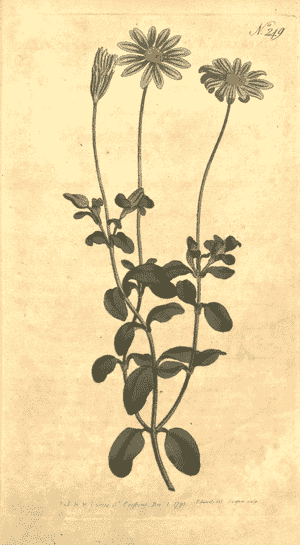
Blue daisy (Felicia amelloides)
Also known as: Blue daisy bush
Felicia amelloides, known as the blue daisy or blue marguerite, is a perennial plant originating from South Africa's coastal regions. Introduced to Europe in the 19th century, it remains a popular ornamental choice due to its striking blue flowers.
For optimal growth, this plant thrives in:
- **Sunlight:** Full sunlight.
- **Soil:** Moist but well-drained soil.
- **Watering:** Regular watering, with soil allowed to dry slightly between sessions.
- **Humidity:** Prefers dry conditions, as it does not fare well in high humidity.
These guidelines help ensure vibrant blooms and healthy growth.
In This Article
Attributes of Blue daisy
Lifespan
Perennial, Annual
Plant Type
Herb
Plant Height
30 cm to 61 cm
Spread
30 cm to 60 cm
Leaf Color
Green White Variegated
Flower Size
4 cm
Flower Color
Blue Yellow White
Images of Blue daisy
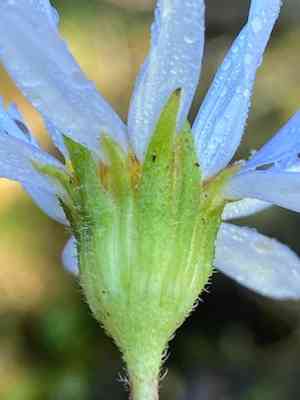
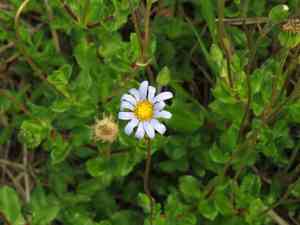
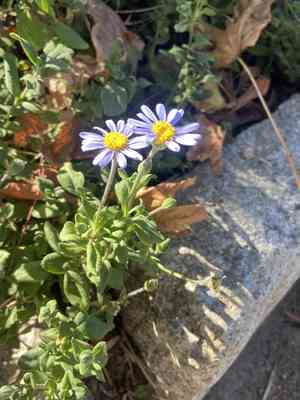
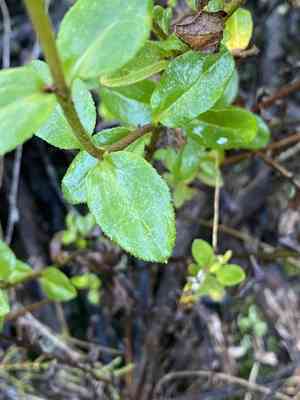
Quickly Identify Blue daisy
1
Compact, bushy growth up to 2 feet (60 cm) tall
2
Lance-shaped, glossy deep green leaves
3
Bright blue flowers with yellow centers
4
Profusion of daisy-like blooms year-round
5
Slender yet sturdy stems supporting numerous flower heads
Scientific Classification of Blue daisy
Phylum
Vascular plants
Class
Dicotyledons
Order
Asters bellflowers fanflowers and allies
Family
Daisy
Genus
Felicia
Species
Blue daisy
Planting and Growing of Blue daisy
Care Difficulty
Easy
Watering Schedule
Every 8 days
Sunlight Requirements
Full sun
Sunshine Duration
4-6 hours
Ideal Temperature
60-75℉
Soil Type
Potting Mix, Peat Mix
Soil pH
6.5-7.5
Fertilizer Type
Balanced
Pruning Season
Spring, Summer
Pruning Area
Branches, Leaves
Pruning Frequency
2 times a year
Repotting Season
Spring
Pot Type
Plastic, Ceramic
 How to Water Blue daisy?
For Felicia amelloides, watering should be generous enough to keep the soil consistently moist but not waterlogged. The plant prefers 150ml of water per session, ensuring the water penetrates to the root level for even distribution. This helps the plant stay hydrated while avoiding stagnant water, which can lead to root rot.
What are the symptoms of an underwatered Blue daisy?
›
What should I do if my Blue daisy is not getting enough water?
›
What are the symptoms of an overwatered Blue daisy?
›
How to save an overwatered Blue daisy?
›
 What Are the Sunlight Requirements for Blue daisy?
Thriving in full to partial sunlight, Felicia amelloides benefits from ample sun exposure. This fosters blossoming and healthy foliage essential for its ornamental appeal.
More About Sunlight Requirements Techniques→
How much sun does Felicia amelloides need?
›
What if I cannot provide direct sunlight?
›
What are the benefits of ideal lighting?
›
 What Is the Ideal Temperature Range for Blue daisy?
Felicia amelloides thrives best within an ideal temperature range of 60°F to 75°F. Such temperatures support optimal growth and flowering for this perennial plant. Providing a stable environment in this range encourages lush foliage and vibrant blooms. It is essential to maintain consistent warmth throughout its growing season for sustained health and vigor.
 What Soil is Best for Blue daisy?
Felicia amelloides thrives in well-drained soil as it prevents root rot by allowing excess water to flow away swiftly, promoting healthy root development and vibrant blooms. This plant benefits from nutrient-rich soil, which provides essential elements that enhance foliage growth and richly colored flowers, ensuring the plant remains vigorous over time. Maintaining moderate soil moisture is key for Felicia amelloides, keeping the soil neither too dry nor waterlogged. This balance aids in consistent growth and prevents stress from drought.
 How to Fertilize Blue daisy?
Felicia amelloides needs a balanced approach when it comes to fertilizer application. During the active growing season, it benefits from moderate fertility; too much can cause lush foliage at the expense of flowers. Use a balanced liquid fertilizer at half strength twice a month.
 How to Prune Blue daisy?
Start by observing the overall shape of your Felicia amelloides and identify any long or outgrowing stems that disrupt its compact form. Trim these back to a leaf node using your clean, sharp scissors or pruners. Regularly deadheading flowers by pinching their stems at the base encourages continuous blooming. Additionally, look for any stems or leaves showing signs of disease or damage and remove them promptly to preserve the plant’s health. After the initial pruning, inspect the plant frequently to identify any new growth. As Felicia amelloides can grow vigorously, selective trimming of these new stems can encourage the plant to become bushier. When cutting, make your cut above a node where leaves attach to the stem, promoting new shoots. Such strategic trimming not only keeps the plant well-shaped but also enhances air circulation within the foliage, preventing diseases.
More About Pruning Techniques→
 How to Propagate Blue daisy plant?
1
Begin by filling a seed tray with a good quality seed mix. Sow the Felicia amelloides seeds thinly and cover lightly with soil. Keep the tray in a warm area and maintain consistent moisture with gentle watering.
2
Using sterilized pruning shears, take 4-6 inch cuttings from healthy, non-flowering shoots. Strip the leaves from the lower half and dip the cut end in rooting hormone to enhance root development.
3
Plant the prepared cuttings in a well-draining potting mix, ensuring that the lower nodes are buried. Place the pot in a warm, bright location away from direct sunlight and mist regularly to maintain humidity.
 How to Repot Blue daisy plant?
1
Felicia amelloides should be repotted when you notice roots are emerging from the drainage holes or circling the pot's surface. This indicates the plant has outgrown its current pot and requires more space for its roots to expand and to enhance nutrient absorption. Ideally, repotting should be done during the growing seasons of spring or autumn to give the plant enough time to establish in its new home before any extreme weather conditions.
2
Select a pot that is just slightly larger than the current one, preferably 1 to 2 inches bigger in diameter. This allows room for growth without overwhelming the plant with excess soil that can lead to root rot. Make sure the pot has adequate drainage holes to prevent waterlogging, which is crucial for maintaining root health. A ceramic or terracotta pot can also benefit the plant as they are porous materials that aid in moisture regulation.
3
Opt for a well-draining potting mix that retains some moisture without becoming waterlogged. A mix with added sand or perlite is ideal, as these components improve aeration and drainage. This type of soil prevents root rot and compaction, providing essential oxygen to the roots and facilitating healthy plant growth.
Learn More About Blue daisy Diseases
Anthracnose
Bacterial Leaf Spot
Bacterial Soft Rot
Bacterial Wilt
Black Spot
Chemical Injury
Crown Gall
Cyst Nematode
Damping-off
Downy Mildew
Drought Stress
Fusarium Wilt
Gray Mold
Leaf Spot
Mosaic
Nutrient Deficiency
Nutrient Toxicity
Powdery Mildew
Root Rot
Root-knot Nematode
Rusts
Sooty Mold
Spider Mites
Temperature Stress
Thrips Damage
White Mold



