How to Transplant Bukhara fleeceflower?
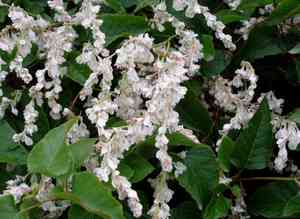
The most favorable period for transplanting bukhara fleeceflower spans from the end of spring to the middle of summer, providing a mild environment ideal for root development. Select a location that receives full sun and has soil that drains effectively. Despite its resilience, bukhara fleeceflower flourishes with generous irrigation after being moved to encourage initial development.
Essential Preparations Before Relocating Bukhara Fleeceflower
Optimal Period for Relocating Bukhara Fleeceflower?
For bukhara fleeceflower, the perfect window for relocation spans from late spring to early summer. This timeframe, characterized by consistently warm soil and mild weather, fosters a supportive environment that promotes root development while minimizing transplant shock. Moving bukhara fleeceflower during this season aligns with its natural growth cycle, ensuring a smoother transition and robust establishment in its new setting. Transplanting at this point allows bukhara fleeceflower the entire summer to acclimate and develop a strong root system before the arrival of colder temperatures, thereby propelling it towards a thriving condition.
Recommended Spacing Between Bukhara Fleeceflower Plants?
Provide ample room for bukhara fleeceflower to expand, ideally positioning them 2-3 feet (60-90 cm) apart. This grants them sufficient space to spread without overcrowding, which could hinder growth or promote disease.
Ideal Soil Blend for Bukhara Fleeceflower Relocation?
Prepare your soil prior to relocating bukhara fleeceflower. A well-draining soil enriched with organic compost is optimal. A foundational fertilizer rich in phosphorus can supply vital nutrients for growth. It's best to complete this an hour or so before planting.
Preferred Location for Your Bukhara Fleeceflower?
Bukhara fleeceflower thrives in abundant sunlight. Select a spot where it can receive full sun to partial shade. This ensures it obtains the necessary sunlight for photosynthesis and vigorous development.
Equipment Needed Before Transplanting Bukhara Fleeceflower
Gardening Gloves
To safeguard your hands while handling soil and bukhara fleeceflower.
Shovel or Spade
Crucial for loosening the soil around bukhara fleeceflower in its original spot and for excavating holes at the new planting site.
Garden Scissors or Pruners
For trimming any dead or damaged portions of bukhara fleeceflower before relocation, which helps the plant direct its energy towards establishing a healthy new root system in its new environment.
Garden Trowel
Useful for extracting bukhara fleeceflower from a pot or seedling tray and helps minimize root disturbance.
Watering Can
For thoroughly hydrating bukhara fleeceflower both before and after the transplant to alleviate transplant shock.
Supports/Stakes
Depending on the size of bukhara fleeceflower, you might require supports to keep the plant upright post-transplant, especially if it's growing against a wall or trellis.
Compost or Organic Matter
To enrich the soil at the new location, providing bukhara fleeceflower with a nutritional boost that aids in successful transplantation.
How to Extract Bukhara Fleeceflower from the Soil?
How to Extract Bukhara Fleeceflower from the Soil?
From Ground: First, thoroughly water the bukhara fleeceflower plant to moisten the soil. Then, use a shovel or spade to dig broadly around the plant, keeping the plant's root ball intact. Carefully work the spade beneath the root ball to lift the plant from its initial position. Remember to lift it gently to avoid harming the plant or its roots.From Pot: Again, water the plant thoroughly before starting. Then, invert the pot while supporting the plant's base. Gently jiggle the pot to release the plant. If the bukhara fleeceflower plant seems firmly rooted, use a garden trowel to loosen the edges.From Seedling Tray: Water the seedlings well before beginning to loosen the soil. Then, using a garden trowel, carefully lift the bukhara fleeceflower seedlings by digging around the root base. Handle the seedlings gently by their leaves, not their stems.
Step-by-Step Guide for Relocating Bukhara Fleeceflower
Preparation
Prepare the new planting site before extracting bukhara fleeceflower from its current spot. This minimizes the time bukhara fleeceflower spends out of the ground, reducing transplant shock. The hole should be twice as wide as the root ball and of the same depth. Enrich the hole's soil with compost or organic matter.
Extraction
Follow the appropriate removal procedure mentioned above based on whether bukhara fleeceflower is in the ground, a pot, or a seedling tray. Always handle the plant with care to prevent injury.
Relocation
Position bukhara fleeceflower in the prepared hole. Ensure the top of the root ball is level with the surrounding soil. Then, backfill the hole with the enriched soil, gently firming it around the plant's base.
Hydration
Once bukhara fleeceflower is in its new location, water it thoroughly. This settles the soil around the roots and lessens transplant shock.
Post-Transplant Care for Bukhara Fleeceflower
Staking
If bukhara fleeceflower is a large plant, it may require staking or support after relocation, especially if it's growing against a wall or trellis.
Pruning
Light pruning can be beneficial for bukhara fleeceflower after the transplant. It reduces the amount of foliage the plant needs to sustain and allows it to prioritize root production.
Monitoring
Closely observe bukhara fleeceflower after the transplant. If you notice drooping leaves or stunted growth, it could indicate transplant shock. Continue to water it regularly but ensure not to overwater.
Fertilizing
Wait a few weeks before fertilizing bukhara fleeceflower to avoid burning the roots. When you do begin fertilizing, do so sparingly and gradually increase the amount.
Addressing Common Issues with Bukhara Fleeceflower Transplantation.
What is the optimal season to transplant bukhara fleeceflower?
Relocate bukhara fleeceflower between late summer and mid-fall (S3-S5). This provides the plant ample time to establish before winter.
What is the ideal spacing when transplanting bukhara fleeceflower?
Maintain a distance of 2-3 feet (60-90 cm) between plants. Spaced planting reduces competition for nutrients and sunlight.
How should I prepare the soil before transplanting bukhara fleeceflower?
Amend the ground with compost to enhance fertility and drainage. Bukhara fleeceflower thrives in well-drained, fertile soil for optimal growth.
What is the correct planting depth for bukhara fleeceflower during transplantation?
Excavate a hole twice the size of bukhara fleeceflower's root ball. Ensure the top of the root ball is flush with the soil surface.
How should I water bukhara fleeceflower after transplanting?
Water bukhara fleeceflower thoroughly after transplanting, then keep it slightly moist. This aids root establishment without causing waterlogging.
Should I prune bukhara fleeceflower after transplanting?
A light trim post-transplant can encourage denser growth. However, avoid excessive pruning to prevent stress.
Can I transplant bukhara fleeceflower into containers?
Bukhara fleeceflower can be transplanted into containers. Choose a large container and position it where it receives sufficient sunlight.
What to do if bukhara fleeceflower leaves turn yellow after transplanting?
Yellow leaves suggest overwatering or nutrient deficiency. Check soil moisture levels and consider a balanced plant food.
Why is my transplanted bukhara fleeceflower not growing?
Check for insufficient sunlight, inconsistent watering, or poor soil fertility. Bukhara fleeceflower requires full sun, regular watering, and enriched soil for growth.
How to manage bukhara fleeceflower if it grows too vigorously after transplanting?
Regular pruning can control bukhara fleeceflower's growth. Consider organic mulch around the base to suppress spread and retain moisture.



