How to Propagate Bukhara fleeceflower?
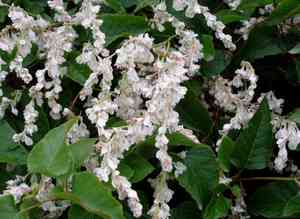
Bukhara fleeceflower can be successfully multiplied via cuttings. To achieve effective propagation, select robust, unblemished stems. Sever segments approximately 4-6 inches in length, preferably possessing multiple leaf nodes, for cultivation. Submerging the severed tip in rooting compound can stimulate root formation. Insert these cuttings into a porous soil blend in diffused light and sustain uniform dampness. Rooting typically requires a few weeks. Avoid excessive handling to encourage more vigorous root development.
When Is the Best Time to Propagate Bukhara Fleeceflower?
Propagation Method
Cutting
Propagation Period
Spring,Summer
What Equipment Is Used in Bukhara Fleeceflower Propagation?
Sharp Pruning Shears
Sharp pruning shears are essential for making clean cuts on bukhara fleeceflower stems, minimizing tissue damage and reducing infection risk. This tool ensures precise cuts that can be easily treated with rooting hormones for improved rooting success.
Rooting Hormone Powder
Applying rooting hormone powder to freshly cut bukhara fleeceflower stems can speed up root development, boosting propagation effectiveness. The hormone encourages root growth at the cut site, greatly increasing the chance of successful plant establishment.
Sterilizing Solution
Using a sterilizing solution to clean pruning shears before and after cutting bukhara fleeceflower helps prevent disease transmission. A sterilized cutting tool is vital for maintaining the overall health of the cuttings, ensuring they remain viable and disease-free during propagation.
Planting Pots
Small to medium-sized planting pots filled with a well-draining soil mix offer an ideal environment for rooting bukhara fleeceflower cuttings. The pots should allow for sufficient moisture retention without becoming waterlogged, creating optimal conditions for root growth and development.
Plastic Covers or Propagation Domes
Plastic covers or propagation domes create a humid microenvironment around bukhara fleeceflower cuttings, which is beneficial for maintaining moisture levels and encouraging rooting. This tool helps simulate a greenhouse effect, crucial for the cuttings' survival and root establishment.
How to Propagate Bukhara Fleeceflower?
Propagation Difficulty
Moderately Difficult
How to Care for Your Newly Propagated Bukhara Fleeceflower?
How to Care for Your Newly Propagated Bukhara Fleeceflower?
Once established, gradually introduce bukhara fleeceflower to its permanent spot. It thrives in full sun to partial shade and prefers moist soil, though it can endure dry conditions once mature. Regular trimming will help manage its vigorous growth and prevent it from becoming invasive. Monitor for pests and diseases and treat as needed to maintain the plant's health.
Common Errors to Avoid When Propagating Bukhara Fleeceflower
Overwatering cuttings
Excessive watering of bukhara fleeceflower cuttings can lead to root rot, which significantly hinders root development and can kill young plants. Too much moisture around the roots creates an oxygen-deprived environment, favorable for fungal growth.
Using non-sterile tools
Employing tools that havenât been sterilized can introduce pathogens to bukhara fleeceflower cuttings or pruning sites, increasing the risk of infections that can impede healthy growth and propagation.
Ignoring humidity for cuttings
Failing to maintain adequate humidity levels when propagating bukhara fleeceflower from cuttings can result in desiccation and death. Bukhara fleeceflower cuttings require a moist environment to successfully form new root tissue.
Tips For Propagating Bukhara Fleeceflower
Use of root hormone
Applying a rooting hormone to bukhara fleeceflower cuttings can enhance root formation and boost the success rate of propagation. This substance stimulates root growth and helps cuttings establish more quickly.
Proper cutting selection
Choosing healthy, robust stems for cuttings improves the chances of successful bukhara fleeceflower propagation. Weak or diseased stems are less likely to root and develop into healthy plants.
Maintain optimal humidity
Keeping the environment around bukhara fleeceflower cuttings humid by covering them with a plastic dome or using a misting system can prevent moisture loss, enhancing rooting and initial growth stages.



