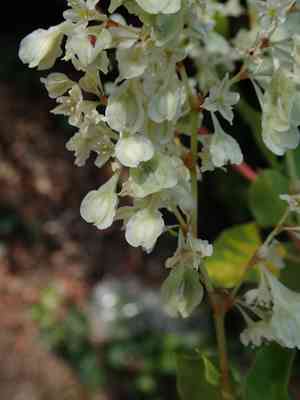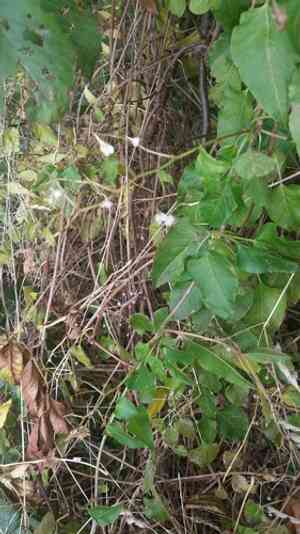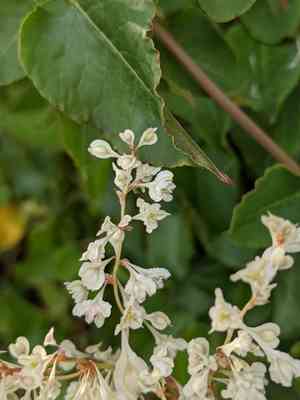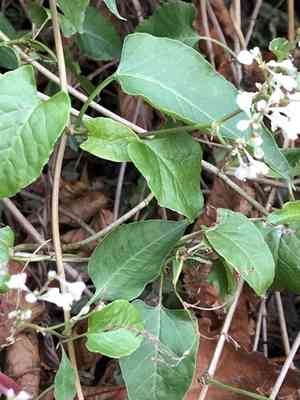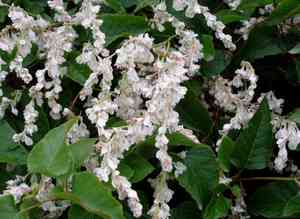
Bukhara fleeceflower(Fallopia baldschuanica)

Bukhara fleeceflower (Fallopia baldschuanica)

Also known as: Chinese fleecevine, Mile-a-minute vine

Russian Vine (Fallopia baldschuanica), also known as the Mile-a-Minute vine, is a vigorous climber that can reach up to 11 meters in length. This plant, sometimes referred to as Silver Lace Vine due to its delicate, silvery-white flowers, is commonly used as ground cover and can withstand regular pruning.

Attributes of Bukhara fleeceflower

Lifespan
Perennial
Plant Type
Vine
Plant Height
4.5 m to 8 m
Spread
4 m
Leaf Color
Green
Flower Size
2.5 cm
Flower Color
White Pink

ForwardPlant - Identify plants with a snap

Identify and diagnose plants, get toxicity alerts, and explore safety guides for all types of fungi.

Try for Free

Images of Bukhara fleeceflower

Bukhara fleeceflower(Fallopia baldschuanica)

Quickly Identify Bukhara fleeceflower

1
Fallopia baldschuanica can be identified by its rapid growth, heart-shaped leaves, and clusters of small white to greenish-white flowers that turn pinkish as they age. The plant\'s twining stems and dense, bushy habit are also distinctive.

Scientific Classification of Bukhara fleeceflower

Phylum
Vascular plants
Class
Dicotyledons
Order
Caryophyllales
Family
Buckwheat
Genus
Fallopia
Species
Bukhara fleeceflower

Planting and Growing of Bukhara fleeceflower

Care Difficulty
Easy
Watering Schedule
Every 8 days
Sunlight Requirements
Full sun
Sunshine Duration
6-12 hours
Ideal Temperature
60-75℉
Soil Type
Potting Mix, Peat Mix
Soil pH
6.5-7.5
Fertilizer Type
Balanced
Pruning Season
Spring, Summer
Pruning Area
Branches, Leaves
Pruning Frequency
2 times a year
Repotting Season
Spring
Pot Type
Plastic, Ceramic

water icon How to Water Bukhara fleeceflower?

For Fallopia baldschuanica, consistent yet moderate watering is ideal. It prefers soil that is evenly moist but not waterlogged. Ensure that the water penetrates at least several inches deep into the soil, letting the natural drainage prevent pooling at the base.
What are the symptoms of an underwatered Bukhara fleeceflower?
What should I do if my Bukhara fleeceflower is not getting enough water?
What are the symptoms of an overwatered Bukhara fleeceflower?
How to save an overwatered Bukhara fleeceflower?

sunlight icon What Are the Sunlight Requirements for Bukhara fleeceflower?

Sunlight Requirements: Full sun, Partial sun
Duration of light: 6-12 hours daily
Fallopia baldschuanica ideally thrives in full sun to partial sun, which translates to accessing 6-12 hours of sunlight daily. Optimal light levels ensure it grows vigorously, achieving its potential as a lush, flowering vine.
What is the ideal lighting condition for Fallopia baldschuanica?
Solution to Achieve Ideal Lighting
Benefits of Ideal Lighting
More About Sunlight Requirements Techniques

temperature icon What Is the Ideal Temperature Range for Bukhara fleeceflower?

Ideal Temperature: 60 ~ 75℉
The ideal temperature range for Fallopia baldschuanica to thrive is between 60°F and 75°F. Within this range, the plant can efficiently photosynthesize and maintain optimal growth rates. Consistent temperatures within this range help stabilize the physiological processes of the plant, ensuring healthy foliage and robust flowering.

soil icon What Soil is Best for Bukhara fleeceflower?

Soil type: Loam, Sandy loam, Calcareous soil
Soil PH: 6.5 ~ 7.5
Fallopia baldschuanica thrives in well-drained soil as it prevents root rot and encourages healthy root development. This requirement allows the plant to absorb nutrients efficiently, contributing to its rapid growth and lush foliage. A nutrient-rich medium ensures that Fallopia baldschuanica receives the necessary elements for robust growth. Incorporating organic matter into the soil can provide an ample supply of nutrients, leading to vigorous vines and abundant flowering. Maintaining adequate moisture retention in the soil is vital for Fallopia baldschuanica, especially during dry spells. This prevents drought stress and supports continuous growth and flowering, resulting in a healthier and more attractive plant.

fertilize icon How to Fertilize Bukhara fleeceflower?

Fertilizer type: Balanced
For Fallopia baldschuanica, apply a balanced liquid fertilizer at half the recommended strength to avoid over-fertilization. Usually, 10-15 ml diluted in a liter of water is adequate. For slow-release fertilizers, use about 50 grams per square meter, applied evenly around the base of the plant to nourish it adequately throughout the growing season.

prune icon How to Prune Bukhara fleeceflower?

Pruning Time: Spring, Summer, Autumn
Before you start cutting, take a step back to assess the plant's overall shape and size. Identify any dead or damaged branches and areas where the growth is particularly dense. This assessment helps in making strategic cuts that promote the plant’s health and the desired form. Begin your pruning session by removing any dead or diseased wood. Cut these branches down to the base or a healthy lateral branch. This process not only improves air circulation but also reduces the risk of pests and diseases. After addressing the dead and diseased wood, proceed with shaping the plant. Trim back the vines to control their growth and encourage a fuller appearance. Focus on maintaining a pleasing aesthetic that integrates well with surrounding plants and structures. Remove any overgrown branches or vines that are threatening to overshadow other plants or structures. Trim these aggressors back significantly to prevent the Russian Vine from becoming invasive and stifling other greenery in its vicinity. After completing the pruning job, make sure to clean up all the trimmings and debris around the plant. This helps prevent fungal diseases and pests that could take advantage of the decaying organic matter. More About Pruning Techniques

propagate icon How to Propagate Bukhara fleeceflower plant?

Propagate Time: Late spring,Early summer,Summer
1
Use well-draining soil mixed with compost to fill pots or trays. The soil provides a nutrient-rich environment and supports moisture retention for seed or cutting growth.
2
Select healthy stem sections about 6-8 inches long. Cut them at a 45-degree angle just below a node. Removing the lower leaves reduces water loss and focus energy on root development.
3
Insert cuttings into the soil, ensuring at least two nodes are buried. Seeds should be lightly covered with soil. Water sparingly to keep soil moist but not waterlogged.
More About Propagating Techniques

repot icon How to Repot Bukhara fleeceflower plant?

Repotting frequency: Every 2 to 3 years
1
You will know it's time to repot Fallopia baldschuanica when you notice roots emerging from the drainage holes, or the plant appears stunted despite adequate care. Additionally, if the soil dries out too quickly or becomes compacted, it's a sure sign that repotting is needed.
2
Select a pot that is 1-2 inches larger in diameter than the current one to give the roots room to grow. Ensure it has drainage holes to prevent root rot, and a material that allows airflow like terra cotta can be beneficial for the plant's health.
3
Opt for a well-draining potting mix, ideally one containing perlite and peat moss, to ensure moisture retention without waterlogging. This blend promotes breathing space for roots and prevents diseases related to poor air circulation.

ForwardPlant - Identify plants with a snap

Find the best spots for them to optimize their health, simply using your phone.

Try for Free

Toxicity of Bukhara fleeceflower

Is Bukhara fleeceflower toxic to humans?

Bukhara fleeceflower carries a mild toxicity risk for humans if ingested. The entire plant contains oxalates, which could be detrimental when consumed. Upon ingestion, these oxalates may bind with calcium in the body, potentially leading to the development of crystals that can irritate tissues. Symptoms associated with poisoning from bukhara fleeceflower may include a burning sensation in the mouth and throat, swelling of the lips, tongue, and throat, difficulties in swallowing, as well as gastrointestinal distress such as nausea, vomiting, and diarrhea. It is crucial for individuals to steer clear of accidental consumption of any part of bukhara fleeceflower to avert these unpleasant and potentially hazardous effects.

Is Bukhara fleeceflower toxic to cat?

Bukhara fleeceflower is known to possess mild toxic properties for cats. Should a cat accidentally consume any part of this plant, it may experience discomfort and sickness, primarily due to the oxalates found throughout the plant. Observable symptoms can include irritation in the mouth, excessive drooling, and vomiting. Given the potential for a reaction caused by bukhara fleeceflower, it is crucial for cat owners to keep a vigilant eye on their pets and prevent their access to this plant. If you suspect that your cat has ingested bukhara fleeceflower and may be suffering from poisoning, seeking prompt veterinary assistance is vital.

Is Bukhara fleeceflower toxic to dog?

Bukhara fleeceflower is recognized as having low toxicity levels for dogs. Canines might accidentally consume portions of bukhara fleeceflower, which can lead to potential poisoning incidents. Should a dog ingest any part of this toxic plant, they may display symptoms including gastrointestinal distress or skin irritation. The presence of oxalates in bukhara fleeceflower plays a significant role in these negative reactions following ingestion. It is crucial for dog owners to remain alert and prevent their pets from coming into contact with bukhara fleeceflower. If a dog does ingest this plant, it is essential to obtain immediate veterinary attention to guarantee appropriate treatment and management of any symptoms.

Identify toxic plants for your safety

Learn which plants are harmful to you and your pets, and make informed choices for a safer home!

Try for Free
WARNING
The judgment on toxicity and danger is for reference only. We DO NOT GUARANTEE any accuracy of such judgment. Therefore, you SHALL NOT rely on such judgment. It is IMPORTANT TO SEEK PROFESSIONAL ADVICE in advance when necessary.
More About Toxic Techniques