The Hidden Danger in Your Home? Unmasking the Toxicity of the Bukhara fleeceflower Plant.
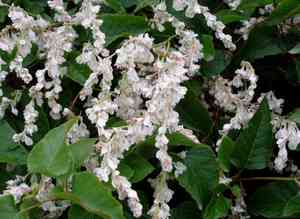
1
Bukhara fleeceflower possesses oxalates that can form crystals and cause tissue irritation upon consumption.
2
Felines ingesting bukhara fleeceflower might exhibit signs such as mouth irritation, excessive salivation, and emesis.
3
Prompt veterinary attention is essential if a canine or feline consumes bukhara fleeceflower.
Is Bukhara fleeceflower toxic to humans?
Bukhara fleeceflower presents a low-level toxicity hazard to people if eaten. The whole plant contains oxalates, which can be detrimental if consumed. When ingested, these oxalates can attach to calcium in the body, possibly leading to crystal formation that can irritate tissues. Signs of poisoning from bukhara fleeceflower might include a burning feeling in the mouth and throat, swelling of the lips, tongue, and throat, trouble swallowing, and digestive issues like nausea, vomiting, and diarrhea. It is crucial for individuals to prevent accidental consumption of any part of bukhara fleeceflower to avoid these uncomfortable and potentially damaging effects.
Is Bukhara fleeceflower toxic to cat?
Bukhara fleeceflower shows slight toxicity for felines. If a cat accidentally consumes any portion of the plant, it could result in discomfort and sickness due to oxalates throughout the plant. Observable signs might include mouth irritation, drooling, and throwing up. As bukhara fleeceflower can cause a reaction in cats, it's vital for cat guardians to watch their pets and ensure they cannot reach the plant. If you suspect your cat has been poisoned by bukhara fleeceflower, it is critical to get immediate veterinary attention.
Is Bukhara fleeceflower toxic to dog?
Bukhara fleeceflower is categorized as mildly toxic to canines. Dogs might unintentionally eat parts of bukhara fleeceflower, leading to potential poisoning. If a dog consumes any part of the plant, which is deemed harmful, they may show symptoms like digestive upset or skin irritation. The oxalates in bukhara fleeceflower contribute to these negative effects upon ingestion. Dog owners should be watchful and keep their pets from accessing bukhara fleeceflower. Should a dog ingest this plant, it is essential to seek immediate veterinary care to ensure appropriate treatment and symptom management.



