How to Prune Bukhara fleeceflower?
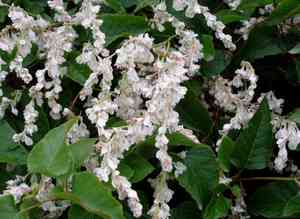
Recognized for its robust development and thick leaves, bukhara fleeceflower necessitates consistent trimming to preserve its form and avert excessive expansion. Perform pruning in late winter or early spring prior to the emergence of fresh growth. Reduce branches to manage dimensions and encourage a more compact structure. Removing older stalks improves light access and air circulation, diminishing the likelihood of illness. Trimming additionally encourages new, vigorous shoots, guaranteeing a vibrant look. Discard severed portions to hinder undesired proliferation.
What Are the Benefits of Pruning Bukhara Fleeceflower?
What Are the Benefits of Pruning Bukhara Fleeceflower?
Trimming bukhara fleeceflower helps it stay a manageable size and encourages robust development. Eliminating overgrown or dead branches improves air circulation and light penetration, supporting its health and appearance.
What Is the Best Time for Pruning Bukhara Fleeceflower?
What Is the Best Time for Pruning Bukhara Fleeceflower?
The optimal periods for trimming bukhara fleeceflower are late winter and early spring, prior to new growth emerging. These times are perfect as the plant remains dormant, making it less vulnerable to pruning stress. Late winter pruning reduces the risk of cold damage to fresh cuts and allows for strong spring recovery. Early spring pruning is also beneficial as it precedes the growth surge, aiding in shaping and size control while preventing excessive sap loss that could weaken bukhara fleeceflower. Furthermore, timing the pruning before the spring growth cycle ensures the plantâs blooming potential is not compromised, as bukhara fleeceflower typically flowers on new wood.
What Tools Do I Need to Prune Bukhara Fleeceflower?
Bypass Pruners
Perfect for making precise cuts on the young, green stems of bukhara fleeceflower, ensuring clean wounds that promote healthy regeneration.
Loppers
Suitable for severing thicker branches that bypass pruners cannot handle, typically up to 1.5 inches in diameter, which is adequate for the mature stems of bukhara fleeceflower.
Pruning Saw
Essential for removing the largest stems, as bukhara fleeceflower can develop substantial woody growth requiring a saw for efficient cutting.
Garden Shears
Useful for shaping and trimming the dense foliage of bukhara fleeceflower, allowing for more detailed work on the plant's form.
How to Prune Bukhara Fleeceflower
Clean tools
Sanitize your pruning shears using a solution of one part bleach to nine parts water to prevent disease transmission.
Identify trim
Examine bukhara fleeceflower to locate diseased and withered leaves. Look for any discoloration, spots, or signs of pest damage on foliage.
Cut diseased
Carefully snip off diseased leaves at their base where they meet the stem or main branch, ensuring not to tear or harm healthy tissue.
Remove withered
Remove withered leaves by cutting them at the base in the same manner as diseased leaves to improve air circulation and light penetration, which will encourage healthier growth.
Disposal
Properly dispose of the removed diseased and withered leaves by burning them or placing them in a sealed bag away from the garden to prevent disease spread.
Common Pruning Mistakes with Bukhara Fleeceflower
Over-pruning
Removing too much of bukhara fleeceflower at once can shock the plant, potentially hindering its growth and reducing its flowering capacity.
Inadequate tool sanitation
Using uncleaned tools can spread diseases among plants. It is crucial to disinfect pruning tools before and after use to prevent pathogen transmission.
Neglecting plant structure
Failing to consider the natural growth habit of bukhara fleeceflower can lead to a loss of form and vigor. Pruning should maintain the plant's structural integrity.
Excessive canopy thinning
Over-thinning bukhara fleeceflower's canopy may result in an imbalance between the root system and foliage, leading to weakened overall health.
Ignoring disease signs
Continuing to prune without addressing visible signs of disease can worsen the problem. Diseased or damaged stems should be removed to prevent further spread.
Common Pruning Tips for Bukhara Fleeceflower
Sharp tools
Utilize sharp and clean pruning shears or loppers to make clean cuts that will heal quickly and minimize stress to bukhara fleeceflower.
Disease management
Regularly inspect bukhara fleeceflower for indications of disease or damage. Promptly prune away affected areas to maintain plant health.
Cut angle
Make cuts at a 45-degree angle just above a bud or branching point to encourage proper water runoff and new growth in bukhara fleeceflower.
Retaining shape
Aim to preserve the natural form of bukhara fleeceflower while pruning. Remove overgrown or unwanted branches to maintain the plant's aesthetic.
Rejuvenation
Periodically perform rejuvenation pruning by cutting back old stems to stimulate new growth and improve the overall vigor of bukhara fleeceflower.



