How to Transplant Steppe spurge?
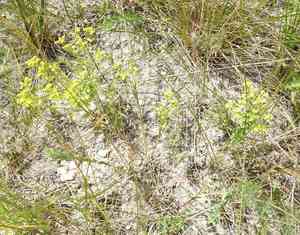
Relocating steppe spurge is most effective when winter's chill recedes into the vibrancy of early to late spring, allowing roots to firmly anchor in a sun-drenched, adequately drained location. A gentle reminder: steer clear of excessively fertile substrates for this hardy perennial.
What Preparations are Needed Before Transplanting Steppe Spurge?
What is the Ideal Time for Transplanting Steppe Spurge?
The optimal period for relocating steppe spurge spans from early spring's thaw to the onset of summer's warmth. This timeframe provides mild temperatures and sufficient opportunity for root development prior to the rigors of summer heat. Moving steppe spurge during this season promotes robust root growth, which is crucial for the plant's vitality. The agreeable climate also ensures a smooth transition with minimal risk of frost or intense sun. Adhering to this schedule not only aligns with steppe spurge's growth cycle but also leverages moderate weather for the gardener's comfort.
How Much Space Should You Leave Between Steppe Spurge Plants?
Let's begin by providing our steppe spurge ample room to flourish. Aim to plant them approximately 12-18 inches (30-46 cm) apart. This spacing guarantees sufficient area for growth and air circulation. It's akin to ensuring each steppe spurge has its own comfortable spot at nature's dining table!
What is the Best Soil Mix for Steppe Spurge Transplanting?
Next, let's prepare the perfect soil mixture! Steppe spurge thrives in well-draining soil, so incorporating sand or gravel helps achieve this. Before the big day, enrich your soil with a balanced, slow-release fertilizer to provide your steppe spurge a nourishing welcome home.
Where Should You Relocate Your Steppe Spurge?
Finally, let's locate that prime spot for sunlight! Steppe spurge flourishes in full to partial sun, so select an area where the sun's rays can warmly embrace it for at least 6 hours daily. Consider it choosing a sunny location for a delightful daytime picnic!
What Equipments Should You Prepare Before Transplantation Steppe Spurge?
Gardening gloves
To safeguard your hands while handling soil and plants.
Shovel or spade
For excavating around and beneath the steppe spurge for removal, and for digging the new planting hole.
Watering can or hose
To hydrate the steppe spurge before and after its relocation.
Pruning shears
To trim any damaged roots or foliage prior to transplanting.
Measuring tape
To verify the new hole's correct depth and width.
Wheelbarrow or garden cart
To move the steppe spurge from its original spot to the new planting location.
Mulch
To aid in retaining soil moisture around the recently transplanted steppe spurge.
How Do You Remove Steppe Spurge from the Soil?
How Do You Remove Steppe Spurge from the Soil?
From Ground: Moisten the steppe spurge to dampen the soil. Using a shovel or spade, excavate a wide perimeter around the plant, digging deep enough to encompass the entire root ball. Carefully lift the steppe spurge from its current position, taking care not to harm the root structure.From Pot: Gently compress or tap the pot's sides to loosen the root ball. Tilt the pot and carefully slide the steppe spurge out, supporting the plant by its base while being cautious not to pull directly on the stems or leaves.From Seedling Tray: Soften the soil with water, then use a spoon or a small gardening tool to scoop out the steppe spurge seedling. Ensure to include the roots and surrounding soil to minimize shock to the plant.
Step-by-Step Guide for Transplanting Steppe Spurge
Preparation
Prepare the new planting site beforehand with a hole twice as wide and the same depth as the steppe spurge's root ball.
Watering Before Transplant
Thoroughly water steppe spurge before beginning the removal process to help lessen transplant shock.
Root Ball Care
Handle the steppe spurge's root ball with care to prevent damage. Ensure the root system's integrity is maintained during transport.
Placement
Position steppe spurge in the center of the new hole. Confirm it stands upright and at the same depth it was previously growing.
Fill In
Backfill the hole around steppe spurge with soil, gently firming it down as you proceed to eliminate air pockets.
Watering After Transplant
Water steppe spurge deeply immediately after transplanting to settle the soil and aid recovery from transplant shock.
Mulching
Apply a layer of mulch around steppe spurge to conserve moisture and regulate soil temperature.
How Do You Care For Steppe Spurge After Transplanting?
First Weeks Care
Closely observe the steppe spurge for the initial few weeks, keeping the soil adequately moist to encourage new root development.
Root Inspection
Inspect the root ball after a few days to confirm steppe spurge is establishing well, reburying any roots that may have surfaced.
Monitoring Growth
Keep an eye on the steppe spurge's new growth as an indicator of successful transplantation, addressing any issues promptly.
Pruning
If necessary, trim any damaged parts of steppe spurge to redirect energy towards healthy growth.
Troubleshooting Common Issues with Steppe Spurge Transplantation.
How do I know when it's the best time to transplant steppe spurge?
Relocate steppe spurge during the refreshing period of early to late spring, when new growth is just beginning.
What spacing do I need between steppe spurge when transplanting?
Allow each steppe spurge ample room to thrive with 12-18 inches (30-45 cm) of space separating them.
Why are my transplanted steppe spurge plants wilting?
Wilting might indicate stress. Ensure they receive adequate water and are not exposed to harsh sunlight immediately after transplanting.
Can I transplant steppe spurge on a hot, sunny day?
It's best to transplant on an overcast day or during cooler hours to prevent shock and dehydration in steppe spurge.
What soil type is ideal for transplanting steppe spurge?
Select well-draining soil enriched with organic matter to promote robust growth for steppe spurge.
How deep should I plant steppe spurge during transplantation?
Plant steppe spurge at the same depth it was previously growing to encourage proper root establishment.
Should I prune steppe spurge before transplanting?
Trimming can alleviate stress; however, only prune dead or damaged sections to maintain the plant's vitality.
Is there a specific technique for removing steppe spurge from its current spot?
Gently loosen the soil around steppe spurge and carefully lift, preserving the root ball for transplantation.
How often should I water steppe spurge after transplanting?
Water generously after transplanting and then regularly to maintain moist, but not waterlogged, soil as steppe spurge establishes.
What should I do if steppe spurge's leaves turn yellow after transplanting?
Yellowing may suggest shock or watering problems. Adjust care and allow steppe spurge time to recover.



