How Much Sunlight Do Steppe spurge Need?
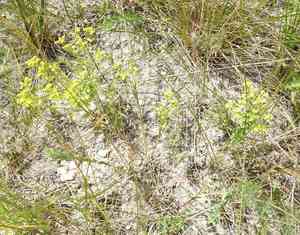
1
Steppe spurge flourishes with more than 6 hours of direct sun each day.
2
Indications of inadequate light involve elongated stems and faded foliage.
3
Intense sun exposure may lead to leaf burn if temperatures become excessive.
What Are the Sunlight Requirements for Steppe spurge?
Ideal Sunlight Exposure
A crucial aspect of Steppe spurge care is ensuring ample sunlight. This plant thrives best in full sun, needing at least 6 hours of direct sunlight daily. Ideally, providing your Steppe spurge with over 8 hours of sunshine will lead to vigorous growth and vibrant blooms. Placing it in a south or west-facing garden spot will be most advantageous.
Partial Sunlight Needs
While Steppe spurge prefers full sun, it can also grow in partial sunlight conditions. If full sun isn't feasible, aim for a minimum of 4 to 6 hours of daily sunlight. Be aware that prolonged exposure to filtered light might result in slower development and less prolific flowering. To compensate, consider using reflective materials to boost light intensity.
Signs of Insufficient Sunlight
Recognizing when your Steppe spurge isn't getting enough sunlight is vital for its well-being. Common indicators include:Stretched or elongated growth as it reaches for light.Faded or yellowing foliage.Reduced or absent blooms. Ensuring adequate sunlight helps maintain its rich green leaves and vibrant flowers.
Effects of Excess Sunlight
Although Steppe spurge enjoys full sun, too much sunlight, especially in very high temperatures, can be harmful. Overexposure can cause leaf scorch, where leaves develop brown, crispy edges. To prevent this, consider providing afternoon shade during the hottest months or ensure the plant is well-hydrated. Monitoring and adjusting as needed helps achieve a healthy balance.
How to Position Steppe spurge for Optimal Sunlight
Outdoor Placement
When planting Steppe spurge outdoors, location is paramount. Select a sunny garden spot, ideally facing south or west. The plant benefits from surrounding ground that absorbs and radiates warmth. Consider these tips for outdoor placement:Ensure no shade from larger plants or structures.Raised beds can enhance sunlight exposure.In hot climates, partial afternoon shade can prevent overheating.
Indoor Placement
For indoor cultivation, it's essential to place Steppe spurge in the brightest available spot. A south-facing window is perfect as it typically receives the most intense light throughout the day. If such a location isn't available, augmenting light with reflectors or grow lights can help. Remember:Rotate the plant every few weeks for even light exposure on all sides.Keep the window clean to maximize light penetration.
Seasonal Adjustments
Seasonal variations in daylight hours and sun intensity necessitate adjustments to your Steppe spurge's positioning. In winter, when sunlight is less intense, you might need to supplement with artificial lighting to sustain growth. During summer, positioning the plant to receive morning sun and afternoon shade can prevent overheating. These adjustments help maintain your plant's health year-round.
What Are the Best Practices for Managing Sunlight?
Using Shade Cloths and Screens
Managing sunlight for Steppe spurge can involve using shade cloths or screens, especially during peak heat. Shade cloths can lessen the intensity of direct sunlight while still allowing sufficient UV rays for photosynthesis. Screens can also help diffuse light, creating a gentler growing environment, particularly on summer afternoons when the sun's rays are strongest.
Rotating and Moving Pots
For potted Steppe spurge, regular pot rotation ensures uniform light exposure, which promotes balanced growth. Additionally, moving pots to follow the sun, especially during seasons with limited sunlight, can maximize exposure. This practice is particularly useful for indoor plants or those in partly sunny locations.
Combining Natural and Artificial Light
Supplementing natural light with artificial grow lights can provide a consistent light source, especially beneficial during winter or in less sunny regions. LED grow lights are energy-efficient options that offer the necessary light spectrum for growth. Setting a timer ensures the plant receives the required daily light hours, without constant manual adjustments.
Can Steppe spurge Grow in Low Light Conditions?
Adaptability to Low Light
Steppe spurge is less suited to low light conditions, as it thrives with abundant sunlight. However, it can tolerate low light better than many sun-loving plants due to its adaptability. In low light, expect slower growth and less vibrant flowering. It's crucial to monitor the plant for signs of stress and adjust care as needed.
Strategies to Improve Light Exposure
Improving light exposure for Steppe spurge in low light involves some creative solutions. Reflective surfaces like mirrors or white walls can increase light availability. Positioning the plant in the brightest part of the room or near a window can also enhance exposure. Ensuring no obstructions block incoming light can help maximize available natural light.
Supplementing with Grow Lights
In consistently low light environments, a grow light can be a valuable tool for supplementing natural sunlight. LED grow lights are efficient and can provide the full spectrum of light needed for photosynthesis. Position the grow light 12-18 inches (30-45 cm) from the plant and run it for about 12-14 hours a day to mimic natural sunlight duration.



