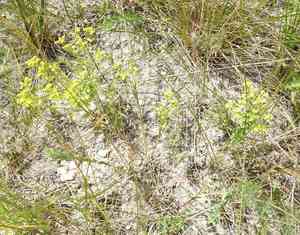
Steppe spurge (Euphorbia seguieriana)
Also known as: Sego's Spurge
Steppe spurge steals the show with a summer-long display of red stems and lime-green blooms. It is, however, very toxic, resulting in harm if touched or ingested. It can irritate the skin and eyes. Gardeners should wear protective clothing when handling it.
In This Article
Attributes of Steppe spurge
Lifespan
Perennial
Plant Type
Herb
Plant Height
45 cm
Spread
45 cm
Leaf Color
Green Blue
Flower Size
0.5-1 cm
Flower Color
Green Yellow
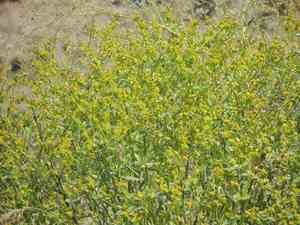
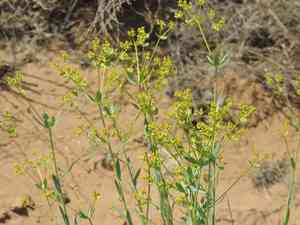
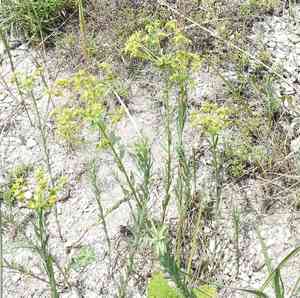
Images of Steppe spurge
Quickly Identify Steppe spurge
1
Euphorbia seguieriana can be recognized by its slender, erect stems and its small, greenish-yellow flowers that bloom in clusters. The leaves are narrow, linear, and arranged alternately. Its milky sap is another distinctive feature.
Scientific Classification of Steppe spurge
Phylum
Vascular plants
Class
Dicotyledons
Order
Malpighiales
Family
Spurge
Genus
Spurges
Species
Steppe spurge
Planting and Growing of Steppe spurge
Care Difficulty
Easy
Watering Schedule
Every 2 days
Sunlight Requirements
Full sun
Sunshine Duration
6-10 hours
Ideal Temperature
65-75℉
Soil Type
Potting Mix, Peat Mix
Soil pH
6.5-7.5
Fertilizer Type
Balanced
Pruning Season
Spring, Summer
Pruning Area
Branches, Leaves
Pruning Frequency
2 times a year
Repotting Season
Spring
Pot Type
Plastic, Ceramic
 How to Water Steppe spurge?
For Euphorbia seguieriana, ensure you water it with around 250 ml of water per session. The key is to let the soil dry out completely between waterings, simulating its natural dry habitat. Water thoroughly, allowing excess to drain away to prevent root rot.
What are the symptoms of an underwatered Steppe spurge?
›
What should I do if my Steppe spurge is not getting enough water?
›
What are the symptoms of an overwatered Steppe spurge?
›
How to save an overwatered Steppe spurge?
›
 What Are the Sunlight Requirements for Steppe spurge?
Euphorbia seguieriana thrives in full to partial sun, ideally in environments with ample morning and filtered afternoon sunlight. This promotes optimal growth and ensures environmental resilience.
More About Sunlight Requirements Techniques→
Solutions for Ideal Lighting
›
How to Implement the Lighting Solution
›
Benefits of Ideal Lighting
›
 What Is the Ideal Temperature Range for Steppe spurge?
The ideal temperature range for growing Euphorbia seguieriana is between 65°F and 75°F. This temperature range ensures optimal metabolic and physiological activities within the plant, supporting vibrant growth and development. During this range, the plant can efficiently perform photosynthesis, nutrient uptake, and other essential processes, leading to healthy foliage and robust stems.
 What Soil is Best for Steppe spurge?
Euphorbia seguieriana thrives in well-draining soil. This ensures excess water doesn't accumulate and cause root rot, promoting healthy growth and vibrant foliage. The soil should be rich in organic matter, providing essential nutrients. This helps the plant maintain vigor and resistance to pests and diseases. The soil should retain some moisture but not become waterlogged. This balance maintains consistent hydration, crucial for the plant's metabolic processes.
 How to Fertilize Steppe spurge?
Euphorbia seguieriana is a resilient plant that does not require heavy fertilization. It's best to use a balanced, water-soluble fertilizer diluted to half strength, applying approximately 20 ml per plant. This ensures a healthy growth rate without risking root burn from excessive nutrient absorption.
 How to Prune Steppe spurge?
Carefully inspect your Euphorbia seguieriana and identify any stems that are dead or show signs of disease. These should be removed first to enhance air circulation. To maintain an appealing shape, selectively trim back branches that disrupt the overall structure. Focus on maintaining a balanced look while allowing light penetration to inner foliage. When pruning, make sure not to cut into the main stem, as this can cause serious damage and impair the plant's natural structure and ability to thrive.
More About Pruning Techniques→
 How to Propagate Steppe spurge plant?
1
Choose a well-draining propagation medium, such as a mix of perlite and peat. This medium will provide the needed aeration and moisture retention essential for seed germination and root development in cuttings.
2
Evenly distribute the seeds on the surface of the propagation medium. Cover them lightly with a thin layer of soil, which protects them while allowing for light penetration necessary for germination.
3
Select healthy cuttings from the parent plant, ensuring each cutting is about 4-6 inches long with several leaves. Remove the lower leaves, dip the cut end in rooting hormone, and plant it into the propagation medium.
 How to Repot Steppe spurge plant?
1
Euphorbia seguieriana shows signs that it's ready for repotting when you notice roots growing through the drainage holes or when the plant seems top-heavy or stunted. Ideally, repotting should occur during the growing season in spring or summer, as this gives the plant a chance to settle into its new home.
2
Select a pot that is one size larger than the current one and ensures it has excellent drainage capabilities. A pot with drainage holes is essential to prevent waterlogging, which can lead to root rot. Terra cotta pots are often a good option because they allow for better airflow around the soil.
3
When selecting soil, opt for a mix that replicates the plant's natural environment. A well-draining cactus mix is ideal as it prevents water buildup and provides the necessary aeration and nutrients for healthy growth. This type of soil reduces the risk of root rot and supports the plant's natural thriving conditions.
Toxicity
Ingestion, Skin contact
WARNING
The judgment on toxicity and danger is for reference only. We DO NOT GUARANTEE any accuracy of such judgment. Therefore, you SHALL NOT rely on such judgment. It is IMPORTANT TO SEEK PROFESSIONAL ADVICE in advance when necessary.



