How to Transplant Marsh spurge?
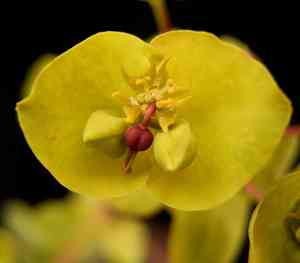
The most favorable period for transplanting marsh spurge is from late spring to early summer, as moderate temperatures aid in root development. Choose a sunny, damp spot and gently foster new development for this vigorous plant.
Essential Preparations Before Relocating Marsh Spurge
Optimal Period for Marsh Spurge Relocation?
For marsh spurge, the best time to move it is from the peak of spring into the early days of summer. This timeframe allows marsh spurge to establish its root system in warm, yet not excessively hot, soil, promoting optimal development. Transplanting marsh spurge then ensures it benefits from the entire upcoming growing season, laying a strong foundation for vigorous health. Embrace this period of renewal, and observe marsh spurge flourish with increasing warmth and extended daylight. A helpful hint: undertaking this gardening task now promises a lush, thriving plant ready to prosper!
Required Spacing Between Marsh Spurge Plants?
For marsh spurge, envision a generous layout! Position each plant 1-2 feet (30-60 cm) from its neighbor. This provides each one ample room to expand and thrive without competing for resources.
Ideal Soil Blend for Marsh Spurge Transplanting?
Prepare a loamy, well-draining soil mixture. Incorporate a slow-release granular fertilizer into the soil before planting. This is an excellent method to nourish marsh spurge throughout its growth cycle!
Optimal Location for Marsh Spurge Relocation?
Select a site well-exposed to sunlight. Marsh spurge flourishes in full sun to partial shade conditions. Therefore, ensure it receives at least 6 hours of sunlight daily for healthy development. Let your garden radiate!
Equipment Needed Before Transplanting Marsh Spurge?
Gardening Gloves
To safeguard your hands when handling soil and the plant, especially as marsh spurge secretes a sap that can irritate skin.
Shovel
For excavating the hole where you will transplant the marsh spurge. It's also effective for removing the plant from its original spot if it's in the ground.
Gardening trowel
It's smaller than a shovel, making it useful for extracting small marsh spurge plants from pots.
Watering can
For hydrating the plant after transplanting and maintaining consistent moisture in its surrounding area.
Mulch
This will aid in retaining moisture and inhibiting weed growth around your marsh spurge plant.
How to Extract Marsh Spurge from the Soil?
How to Extract Marsh Spurge from the Soil?
From Ground: Begin by watering the marsh spurge plant to moisten the surrounding soil. This will facilitate easier and less stressful removal for the plant. Once watered, start digging a wide trench around the plant with your shovel, being careful to avoid damaging the root ball. Gently, using the shovel, lift the plant from the ground. Maintaining the integrity of the root ball is crucial for successful transplantation. From a Pot: Similarly, water your marsh spurge plant in its pot before removal. Invert the pot while gently supporting the plant at its base, tap it once or twice, and the plant should slide out. If it doesnât, you might need to run a knife around the potâs rim to loosen the plant. From a seedling tray: Unlike the other methods, a shovel isn't needed here. Simply hold the marsh spurge seedling carefully by its leaves (never by its stem) and gently pull it up. Alternatively, you can use a dibber or a thin tool to push the plant up from below.
Step-by-Step Guide for Transplanting Marsh Spurge
Preparation
Begin by watering the marsh spurge the day prior to transplanting to help mitigate shock. Additionally, prepare the new location by digging a hole that is twice as wide and equally deep as the marsh spurge's root ball.
Transplanting
Position the marsh spurge in the center of the hole. Ensure the top of the root ball is level with the soil surface. Backfill the hole with the soil you previously removed, gently firming it down as you proceed. Confirm the plant is upright.
Watering
Thoroughly water the marsh spurge after you have finished planting it. This prevents air pockets and aids in establishing the plant in its new environment.
Mulching
Cover the planting site with a layer of mulch. This will help retain moisture and suppress any weed growth that might compete with the marsh spurge
Post-Transplant Care for Marsh Spurge
Watering
Again, hydration is vital. After transplanting, marsh spurge will require a significant amount of water. Ensure the water reaches the root system and not just the surface. Continue regular watering, especially during dry spells.
Weeding
Remove any weeds growing near your marsh spurge. Weeds can deplete nutrients, light, and moisture from your plant.
Pruning
Trim off any dead or dying leaves and stems on the marsh spurge. This helps the plant direct its energy towards new growth and recovering from the transplant shock.
Inspecting
Regularly examine your marsh spurge for any indications of disease or pests. Early detection allows for prompt action to prevent serious damage.
Resolving Common Issues with Marsh Spurge Transplantation.
What's the best season for moving marsh spurge?
The optimal season to relocate marsh spurge is during stages S3-S4, typically mid to late Spring.
How much space should I allow between each marsh spurge when transplanting?
To ensure marsh spurge thrives in its new spot, maintain a healthy distance of about 1-2 feet (30-60 cm).
Why is my recently moved marsh spurge wilting?
Marsh spurge may wilt due to transplant shock. Ensure it receives adequate water and is shielded from extreme heat or cold.
I moved marsh spurge, but it's not growing well. What could be wrong?
Check the soil pH and nutrient levels. Marsh spurge flourishes in well-draining soil with a neutral pH. Fertilizer might also be necessary.
Can I move marsh spurge in Summer?
It's preferable to transplant marsh spurge in mid to late Spring. Moving it in Summer could lead to heat stress for the plant.
The leaves of my marsh spurge are turning yellow after transplantation. What should I do?
Yellowing can indicate overwatering or insufficient nutrition. Adjust your watering schedule and consider a balanced plant food for marsh spurge.
Do I need a large container for transplanting marsh spurge?
A pot with ample depth is crucial for marsh spurge. A container around 10 inches (25 cm) should be sufficient for young plants.
Can I use garden soil for moving my marsh spurge?
Yes, provided it drains well. You can mix in organic matter or compost to enhance its structure and nutrient content.
How much sun does a transplanted marsh spurge require?
Marsh spurge enjoys sunlight, but not intense afternoon sun. Filtered sunlight under a larger plant or a north-facing location is ideal.
How much should I water marsh spurge after moving it?
After transplanting marsh spurge, water it thoroughly, allowing drainage. Then keep the soil consistently moist but not waterlogged.



