How to Propagate Marsh spurge?
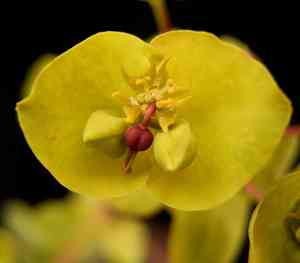
Marsh spurge flourishes most effectively when reproduced by seeding. For successful development, utilize a growing medium that drains efficiently and sustain steady hydration without oversaturation. The most favorable germination outcomes are achieved by planting seeds in a regulated setting prior to relocating them outside. Consistent inspection for infestations and ailments is vital for preserving the well-being of marsh spurge.
What Is the Best Time To Propagate Marsh Spurge?
Propagation Type
Sowing
Propagation Season
Spring
What Tools Are Used in Marsh Spurge Propagation?
Seed trays
Seed trays are crucial for initiating marsh spurge from seeds, providing a controlled setting vital for germination. They enable consistent sowing and simple management of moisture and temperature, key elements for successful marsh spurge germination.
Sterilized potting mix
Employing a sterilized potting mix guarantees that marsh spurge seedlings are free from disease agents and pests, which could otherwise impede growth or cause illness. This specific blend supports the delicate roots of marsh spurge, offering necessary aeration and drainage while retaining adequate moisture.
Labels and markers
Labels and markers are indispensable instruments for tracking the planting dates and specific propagation details of marsh spurge. Proper labeling aids in monitoring growth progress and applying suitable care at various stages of plant development.
Misting bottle
A misting bottle is essential for gently hydrating the freshly sown seeds of marsh spurge. It ensures that the seeds and young seedlings receive moisture without the risk of being displaced or buried deeper into the soil by forceful watering methods.
Grow lights (if indoor propagation)
Grow lights are advantageous if propagating marsh spurge indoors. They supply the necessary light spectrum to foster germination and early growth, particularly in situations with insufficient natural light.
How to Propagate Marsh Spurge?
Propagation Type
Easy
How to Care for Your Newly Propagated Marsh Spurge?
How to Care for Your Newly Propagated Marsh Spurge?
Post-propagation, ensure marsh spurge is situated in an area receiving full to partial sunlight. The substrate should remain damp but well-drained to prevent waterlogging, which can lead to root rot. Marsh spurge benefits from a mulch layer to retain soil moisture and suppress weeds. Minimal supplementary feeding is required; fertilize only if growth appears stunted. Regularly check for pests and diseases, especially during warm, humid periods.
Common Mistakes to Avoid When Propagating Marsh Spurge
Overwatering
Excessive watering is a critical error when propagating marsh spurge. Too much moisture can result in root rot, diminishing the plant's vitality and potentially killing young propagules.
Excessive direct sunlight
While marsh spurge thrives in light, too much direct sun can stress the plant, especially during the propagation phase, causing scorching and dehydration of cuttings or seedlings.
Using unsterilized tools
Propagation with contaminated tools can introduce pathogens to the sensitive tissues of marsh spurge, hindering growth or causing disease.
Ignoring soil composition
Utilizing inappropriate soil mixtures, particularly those that retain too much moisture, can impede the root development and overall health of marsh spurge.
Tips For Propagating Marsh Spurge
Rooting medium choice
Choosing a well-draining and airy soil mix is crucial for marsh spurge to encourage healthy root development without waterlogging.
Partial shade during propagation
Encouraging root growth in cuttings or newly germinated seeds of marsh spurge is more successful in conditions of partial shade, which protects the delicate young plants from harsh sunlight.
Sterilization of tools
Always use clean, sterilized tools when cutting or handling marsh spurge to prevent the spread of disease and ensure successful propagation.
Careful watering
Maintaining a balance in watering is crucial. It is important to keep the soil moist but not saturated to support the optimal growth of marsh spurge.



