The Marsh spurge Plant Advantage: Maximizing Home and Office Appeal and Wellness
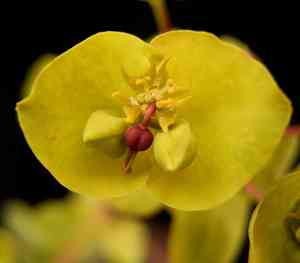
1
Marsh spurge flourishes in damp environments, ideal for water-saturated garden spaces.
2
This botanical specimen provides striking color shifts throughout the seasons, boosting garden beauty.
3
Marsh spurge contributes to local ecological diversity by drawing in beneficial insects.
Why Select Marsh Spurge for Your Garden?
Adaptability to Moist Environments
Marsh spurge is exceptionally well-suited for gardens facing challenging damp conditions. Perfect for areas prone to waterlogging or naturally high water tables, this plant flourishes where many others would fail. Its inherent preference for humid settings makes it an excellent choice for rain gardens and wetland restoration projects.
Seasonal Foliage Transformation
A key attractive feature of Marsh spurge is its capacity to alter its hues with the changing seasons. In spring and early summer, its vibrant green leaves offer a fresh and lively appearance. As autumn approaches, the foliage shifts to shades of red and orange, adding a vivid burst of color to the scenery. This seasonal change makes Marsh spurge a highly desirable plant for those aiming to enhance their garden's visual appeal throughout the year.
How Does Marsh Spurge Support Biodiversity?
Attracting Pollinating Insects
Marsh spurge plays a vital role in bolstering local biodiversity by drawing in various pollinators such as bees, butterflies, and other beneficial insects. The plant's clustered blooms provide a dependable source of nectar. This not only assists in the pollination of other plants in your garden but also helps sustain local insect populations, which are crucial for a healthy ecosystem.
Providing Shelter
Beyond drawing pollinators, Marsh spurge also offers refuge and cover for diverse wildlife. Birds and small mammals often find shelter within its dense foliage, while amphibians may utilize the moist environment it creates. By incorporating Marsh spurge into your garden, you contribute to a more balanced and flourishing ecosystem.
What Are the Landscape Design Advantages of Marsh Spurge?
Versatility in Garden Layout
The adaptability of Marsh spurge allows its use in various garden designs, from structured landscapes to naturalistic settings. Its ability to grow in both sun and partial shade makes it a flexible option for different garden zones. Whether you aim to create a formal, manicured look or a more free-flowing, wild garden, Marsh spurge can be seamlessly integrated.
Erosion Prevention
Another practical benefit of Marsh spurge is its capacity to prevent soil erosion. Its robust root system helps to stabilize the ground, making it an effective plant for slopes and areas susceptible to erosion. This not only helps preserve the integrity of your landscape but also promotes improved water retention and soil vitality.
How to Care for Marsh Spurge?
Planting and Soil Needs
When planting Marsh spurge, it is crucial to select a site that mimics its natural wetland habitat. Rich, well-drained soil with consistent moisture levels is optimal. While the plant tolerates less-than-perfect conditions, providing it with ideal soil and moisture will ensure vigorous growth and superior performance.
Maintenance Advice
Marsh spurge is relatively low-maintenance once established. Regular watering, especially during dry periods, will help maintain its health and appearance. Pruning is generally not required, but removing any dead or damaged stems can encourage new growth and keep the plant looking neat. Additionally, applying a layer of mulch around the base can help retain soil moisture and suppress weeds.



