How to Prune Marsh spurge?
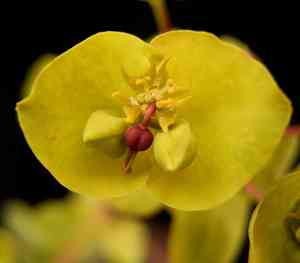
This perennial, which prefers moist conditions and is identifiable by its erect stalks and groupings of greenish-yellow blossoms, flourishes in humid settings. Trim marsh spurge during springtime to eliminate any deceased or injured stems, fostering robust development. Removing spent flowers after the initial summer bloom can stimulate a subsequent wave of blossoms. Reduce marsh spurge in autumn, once its leaves have withered, to sustain the plant's vitality and aesthetic. Consistent trimming averts excessive density and enhances the plant's general well-being by encouraging fresh growth and improving air movement.
Advantages of Trimming Marsh Spurge
Advantages of Trimming Marsh Spurge
Trimming marsh spurge encourages fresh development, leading to more vibrant blossoms. Consistent pruning maintains its desired shape and size, ensuring marsh spurge thrives within garden boundaries.
Optimal Time for Trimming Marsh Spurge
Optimal Time for Trimming Marsh Spurge
Spring pruning is ideal for marsh spurge as it aligns with the onset of active growth, allowing the plant to quickly recover from cuts and channel energy into new growth. Early Summer pruning helps shape the plant and manage its size before the main growing season. Late Fall pruning, once the plant is dormant, can prepare marsh spurge for the next season by removing dead or diseased parts, enhancing overall plant health and appearance. Avoiding pruning in late Summer ensures marsh spurge has time to toughen new growth before winter.
Necessary Tools for Pruning Marsh Spurge
Bypass Pruners
For precise cuts and maintaining marsh spurge's health, sharp bypass pruners are essential. These tools operate like scissors, creating clean cuts that heal rapidly, reducing disease risk.
Pruning Gloves
Given the toxic sap in marsh spurge, wearing gloves is vital to shield skin from potential irritation. Pruning gloves should be thick enough to prevent sap exposure.
Long-Sleeved Shirt
When pruning marsh spurge, it's wise to wear a long-sleeved shirt to protect arms from sap and any sharp parts the plant might have.
Eye Protection
Safety goggles should be worn to protect eyes from marsh spurge's sap, which can be hazardous if it makes contact with the eyes.
How to Prune Marsh Spurge
Disinfect tools
Before pruning marsh spurge, sanitize pruning tools with a bleach or alcohol solution to prevent disease spread.
Remove diseased leaves
Carefully cut and discard any leaves showing disease symptoms, making clean cuts to avoid harming marsh spurge.
Trim withered leaves
Snip off withered leaves at their base where they meet the stem or main body of marsh spurge, to maintain a healthy look and encourage new growth.
Deadhead flowers
Pinch or cut off spent flowers of marsh spurge just below the flower head to prevent seed formation and encourage more blooms.
Cleanup
Collect and remove all pruning debris from around marsh spurge to lessen the risk of pests and disease.
Common Pruning Errors with Marsh Spurge
Excessive pruning
Cutting back too much of marsh spurge can stress the plant and impede its natural growth and flower production.
Using dull or dirty tools
Pruning with unclean or dull tools can cause unnecessary damage to branches, potentially introducing disease.
Tearing stems
Ripping or tearing stems instead of making clean cuts can leave marsh spurge susceptible to diseases and pests.
Pruning without gloves
Marsh spurge contains a milky sap that can irritate skin and eyes, so not wearing gloves is a common oversight.
Ignoring plant shape
Failing to consider marsh spurge's natural form can result in an unbalanced or awkward appearance after pruning.
General Pruning Advice for Marsh Spurge
Sharp tools
Always use sharp, sterilized secateurs or pruners to make clean cuts that will heal quickly, preventing disease in marsh spurge.
Protective gear
Since marsh spurge has an irritating sap, wear gloves and protective clothing to prevent skin and eye irritation when cutting.
Layer removal
Thin out marsh spurge's growth by removing some older stems at the base to encourage new growth and air circulation.
Shape maintenance
Prune marsh spurge to maintain its natural shape, removing any branches that are out of place, damaged, or diseased.
Health assessment
Regularly inspect marsh spurge for signs of disease or weakness and prune accordingly to maintain plant health.



