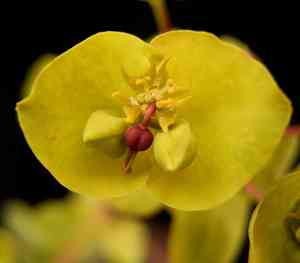
Marsh spurge (Euphorbia palustris)
Also known as: Fen spurge
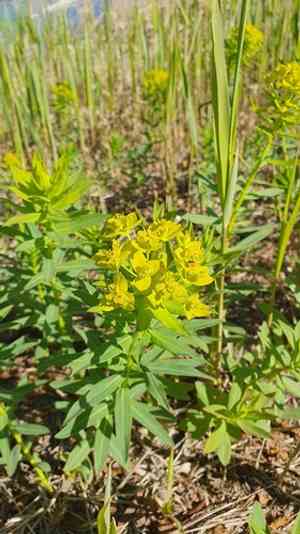
Marsh spurge, scientifically known as Euphorbia palustris, is a captivating plant often chosen for its unique characteristics. Here are some of its notable features and necessary precautions:
**Notable Features:**
1. **Foliage:** Features vibrant green leaves that transition to striking red or yellow hues in the fall.
2. **Flowers:** Produces small, yellow-green flowers that bloom from late spring into early summer.
3. **Adaptability:** Thrives in moist, well-drained soils, making it perfect for rain gardens, wetland areas, and even Mediterranean gardens.
4. **Size:** Can grow up to 3-4 feet in height and width, creating a significant visual impact in garden settings.
**Precautions:**
1. **Toxic Sap:** The plant's sap is highly toxic and can cause severe skin irritation and eye damage. Always wear gloves and protective eyewear when handling.
2. **Consumption:** Avoid any ingestion of the plant, as it is dangerous if consumed.
3. **Spread:** Monitor the plant for aggressive spreading and manage its growth to prevent it from becoming invasive.
4. **Pruning:** Trim back in late winter or early spring to encourage healthy growth and maintain desired size.
5. **Safe Disposal:** Do not compost clippings; dispose of them properly to prevent unintended spread.
By appreciating these features and taking the necessary precautions, you can safely enjoy the unique beauty of Marsh spurge in your garden.
Attributes of Marsh spurge
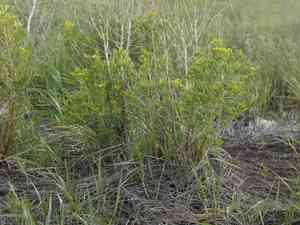
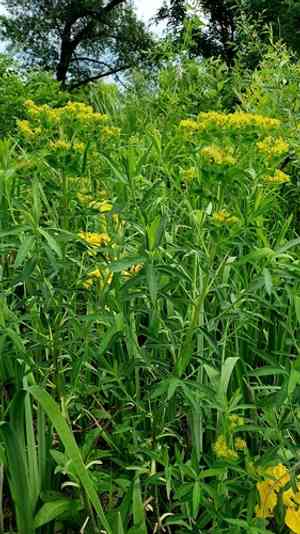
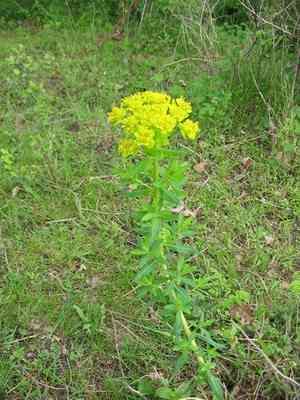
Images of Marsh spurge
Quickly Identify Marsh spurge
Scientific Classification of Marsh spurge
Planting and Growing of Marsh spurge
 How to Water Marsh spurge?
 What Are the Sunlight Requirements for Marsh spurge?
 What Is the Ideal Temperature Range for Marsh spurge?
 What Soil is Best for Marsh spurge?
 How to Fertilize Marsh spurge?
 How to Prune Marsh spurge?
 How to Propagate Marsh spurge plant?
 How to Repot Marsh spurge plant?
Toxicity
Ingestion, Skin contact, Eye contact



