How to Transplant Candelilla?
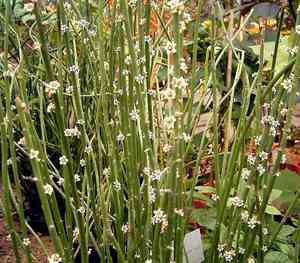
To transplant candelilla, the prime period of spring, spanning from mid to late season, guarantees the best root development. Select a location exposed to full sun with soil that drains effectively. Careful manipulation of the root system during this favorable growth stage aids in a smooth acclimation.
What Preparations are Needed Before Transplanting Candelilla?
What is the Ideal Time for Transplanting Candelilla?
The optimal period for moving candelilla is during the mild conditions of late spring. This timing allows the roots to settle into the warming earth, promoting development. Relocating candelilla in this season takes advantage of the gentle weather, preventing the strain of extreme temperatures on its delicate system, ensuring a smooth transition and strong growth.
How Much Space Should You Leave Between Candelilla Plants?
Provide your candelillas with ample room to thrive. Aim for a spacing of 18-24 inches (45-60 cm) between them. This will give each plant sufficient space to grow robustly and healthily without competing for nutrients and sunlight.
What is the Best Soil Mix for Candelilla Transplanting?
Candelillas prefer a well-draining soil environment. If possible, incorporate some sandy or rocky soil to replicate their natural habitat. Prior to planting, enrich the soil with a slow-release, balanced fertilizer to give your candelillas a strong start.
Where Should You Relocate Your Candelilla?
Select a sunny location for your candelillas where they can receive full sunlight. They flourish with abundant bright light, which closely mimics their native surroundings. This sun-loving plant will be most content with at least 6 hours of direct sunlight daily.
What Equipments Should You Prepare Before Transplantation Candelilla?
Gardening Gloves
To safeguard your hands while handling soil and plants.
Trowel
For digging and moving soil during the candelilla transplant process.
Shovel or Gardening Spade
To carefully extract the candelilla from its original spot without harming its root system.
Watering Can or Hose
To hydrate the plant both before and after its relocation.
Pruning Shears
To trim any damaged roots or leaves prior to transplanting.
Wheelbarrow or Garden Cart
For transporting the candelilla and soil, especially for larger specimens.
Root Pruning Saw or Sharp Knife (if necessary)
To divide the root ball if it's excessively large or if the candelilla is being propagated by division.
How Do You Remove Candelilla from the Soil?
How Do You Remove Candelilla from the Soil?
From Ground: First, moisten the candelilla plant's soil to facilitate removal. Then, use a shovel to dig a wide circle around the plant, ensuring the root system remains unharmed. Gently lift the plant from the ground to keep the root ball intact.From Pot: Water the candelilla and allow excess water to drain before starting. Turn the pot on its side and gently tap the sides and bottom to loosen the plant. Carefully slide the candelilla out, supporting the base and root ball to prevent stress.From Seedling Tray: Water the seedlings to ensure the soil is damp. Use a trowel or your fingers to carefully lift the candelilla from its cell, taking care not to damage the delicate roots or stem.
Step-by-Step Guide for Transplanting Candelilla
Preparation
Prepare the transplant site for the candelilla by clearing any debris or weeds. Loosen the soil at the new location to ensure proper drainage and aeration for rapid root establishment. Have all necessary tools and water readily available before starting the transplant process. Consider the mature size of candelilla when determining spacing between plants. Thoroughly water the candelilla plant a day before transplanting to ensure it is well-hydrated and to minimize transplant shock. Choose the appropriate time of year for transplanting, typically when the plant is dormant or not actively growing, usually in the fall or early spring for candelilla. If needed, prune any damaged roots with sterilized shears before transplanting to encourage healthy regrowth. Dig a hole in the new spot that is twice as wide and the same depth as the root ball to provide ample space for root spread. Gently place the candelilla plant in the hole, positioning it so the top of the root ball is level with the surrounding soil. Backfill around the root ball with native soil and any necessary amendments, avoiding high-nitrogen fertilizers that can harm roots. Press down the soil around the plant to remove air pockets and ensure good soil-root contact. Water the candelilla plant to help settle the soil around the roots and eliminate any remaining air pockets. Apply mulch around the base of the candelilla to conserve soil moisture and regulate soil temperature, but keep it away from the stem to prevent rot.
Finalizing the Planting
Water the candelilla plant thoroughly after planting to moisten the soil and reduce transplant shock. This should be done slowly and deeply, allowing moisture to reach the lower root system without over-saturating the ground.
Monitoring
During the initial weeks, frequently check the candelilla plant for signs of water stress and adjust your watering schedule as needed. Watch for indications of damage, pests, or disease, and address any issues promptly.
How Do You Care For Candelilla After Transplanting?
Mulching
Apply a layer of organic mulch around the base of the candelilla to help retain soil moisture and regulate soil temperature, being careful to leave some space around the stem to prevent potential rotting. This also helps to suppress weeds that can compete with the candelilla for resources.
Supporting
While candelilla plants are generally self-supporting, if you're transplanting a taller or mature specimen, it may be necessary to stake the plant temporarily to protect it from wind or instability as it establishes new roots.
Observation
Regularly check the candelilla for signs of stress or shock, such as wilting, discoloration, or leaf drop. Early detection makes it easier to take corrective action if necessary.
Pest and Disease Control
A stressed plant is more susceptible to pest and disease problems, so be vigilant for any signs of infestation or illness. Use appropriate treatments, if necessary, and as a last resort, as many pests can be managed through non-chemical means.
Adjusting Care
As the candelilla plant establishes, reduce the frequency of watering to encourage the roots to seek out moisture deeply, which promotes a robust and resilient root system. Gradually adjust the care routine back to normal for established candelilla plants over several weeks to months, depending on the resilience and growth of the plant.
Patience
Understand that transplanting can be a shock to the candelilla, and it may take time before it begins to grow and flourish in its new location. Be patient, and provide consistent care during this adjustment period.
Troubleshooting Common Issues with Candelilla Transplantation.
When's the best time to transplant candelilla?
The optimal period for relocating candelilla is during mid to late spring when conditions favor root establishment.
What spacing is needed between candelilla plants?
Allow 18-24 inches (45-60 cm) between plants, ensuring ample growth room for each individual candelilla.
Why are my transplanted candelilla wilting post-transplant?
Wilting could be due to transplant shock. Ensure you water adequately and provide shade for a few days post-move.
How deep should I plant candelilla's roots?
Plant candelilla so that the root ball is level with the soil surface to encourage proper rooting and growth.
Can I transplant candelilla on a hot day?
Transplanting candelilla on cooler, overcast days reduces stress and moisture loss, promoting smoother acclimation.
How do I prepare candelilla's new site?
Choose a well-draining spot, loosen soil, and mix in compost to the new site before transplanting candelilla.
Should I fertilize candelilla after transplanting?
Wait 4-6 weeks post-transplant before fertilizing to allow candelilla's roots to settle without burning them.
What signs indicate candelilla transplant success?
New growth in the foliage and stems is a clear sign your candelilla is happy in its new location.
My candelilla looks droopy after a week, what should I do?
Ensure the soil is moist but not waterlogged and provide some shade. Drooping should subside as candelilla adjusts.
How do I handle candelilla's roots while transplanting?
Handle candelilla's roots gently to avoid breakage. Tease out any circling roots to encourage outward growth.



