How to Propagate Candelilla?
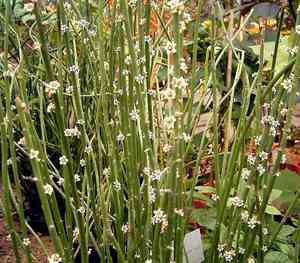
Candelilla is a sturdy, desiccation-tolerant plant ideal for dry climates. For candelilla propagation, effective cultivation generally begins by planting seeds in porous soil, guaranteeing ample exposure to sunlight. These seeds ought to be placed superficially within the growing medium to facilitate sufficient seed-to-earth contact, which is vital for sprouting. Diligence is required to sustain uniform soil dampness without saturation, as candelilla's root system is susceptible to surplus water. Given appropriate attention, young plants will ultimately develop into the unique, wax-covered stalks typical of this variety.
Optimal Period for Candelilla Propagation
Propagation Method
Cutting
Propagation Period
Spring,Summer
Tools for Candelilla Propagation
Sharp Pruning Shears
Pruning shears are vital for making clean, precise cuts from candelilla. This tool ensures cuts are made without crushing plant tissues, which is crucial for candelilla's health and recovery. Sharp blades minimize damage and aid in faster healing of cut surfaces.
Rooting Hormone
Applying rooting hormone to candelilla's cut ends helps stimulate root growth. This increases the success rate for cuttings to establish and develop into healthy plants. Rooting hormones are especially beneficial for succulents like candelilla, which might otherwise root slowly.
Sterile Potting Mix
Using a sterile potting mix prevents disease and fungal attacks, which are critical when propagating plants like candelilla from cuttings. A suitable potting mix for candelilla ensures proper drainage and air circulation, essential for root development and overall plant health during delicate propagation stages.
Small Pots or Trays
Small pots or propagation trays are useful for individual candelilla cuttings, providing a controlled environment for initial rooting and growth. These containers should have adequate drainage and be large enough to accommodate growth without crowding, which is crucial for candelilla's development.
Candelilla Propagation Guide
Propagation Difficulty
Easy
Post-Propagation Care for Candelilla
Post-Propagation Care for Candelilla
After propagation, water candelilla sparingly, only when the soil is completely dry. Candelilla needs minimal water and thrives in hot, arid conditions. Provide full to partial sunlight, and shield young plants from extreme temperatures. Fertilize minimally, just once during the growing season with a low-nitrogen, high-potassium fertilizer to encourage robust growth.
Common Errors to Avoid When Propagating Candelilla
Overwatering
Overwatering candelilla can cause root rot due to its adaptation to arid environments. Excessive soil moisture is harmful, potentially leading to root decay and reducing the plant's overall health and survival rate.
Using dense soil
Candelilla requires well-draining soil to flourish. Using dense, clay-rich soil can retain too much water, impeding root growth and function, and potentially fostering fungal diseases.
Excessive handling of cuttings
During propagation, excessive handling or frequent movement of candelilla cuttings can harm delicate developing roots, leading to poor establishment and growth.
Neglecting disease prevention
Ignoring early signs of pests and diseases in candelilla during propagation can lead to severe infestations or infections, compromising the plant's health and decreasing propagation success.
Tips for Propagating Candelilla
Appropriate soil medium
Using a sandy, well-draining soil mix helps mimic candelilla's natural growing conditions, promoting better root development and overall health.
Moderate watering
Provide candelilla with moderate watering, ensuring the soil is moist but not waterlogged. This balances hydration needs while preventing root issues.
Use of rooting hormones
Applying rooting hormones to candelilla cuttings can enhance root development and improve propagation success rates.
Careful handling
Handle candelilla cuttings gently during the propagation process to avoid damaging newly forming roots, ensuring better establishment and growth.



