How to Prune Candelilla?
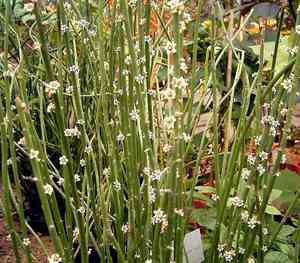
Hailing from dry environments, the robust, waxy candelilla is celebrated for its ability to withstand drought and its thin, vertical shoots. Trimming ought to be kept to a minimum, primarily addressing the elimination of deceased or injured stems to preserve the plant's well-being and structure. The most effective time for pruning is from spring through autumn, preventing any adverse effects from winter cold. Thoughtful trimming can encourage fresh development and boost wax production, which is vital for the plant's commercial worth. When tending to candelilla, always don protective gloves to guard against its sap, which could cause skin irritation.
What Are the Benefits of Pruning Candelilla?
What Are the Benefits of Pruning Candelilla?
Trimming candelilla promotes vigorous development and helps maintain its desired shape. Strategic cuts can foster a more robust and well-structured plant, enhancing its vitality and visual appeal.
What Is the Best Time for Pruning Candelilla?
What Is the Best Time for Pruning Candelilla?
The optimal period for pruning candelilla spans from late Spring to early Fall. In late Spring, candelilla enters its active growth phase, making it ideal for shaping and encouraging new development. This timing also allows wounds to heal quickly in warmer weather, minimizing stress or disease risk. Summer provides an opportunity to trim candelilla to uphold its desired form and eliminate any diseased or damaged tissue when the plant's energy and metabolic rates are high, facilitating rapid recovery. Early Fall pruning should be approached cautiously, allowing new growth to harden before the first frost. Pruning then can prepare candelilla for dormancy, ensuring it doesn't enter colder months with excess foliage that could trap moisture and lead to decay. Avoid pruning candelilla in late Fall or Winter, as the plant is less active, and cuts will heal slowly, potentially exposing it to cold damage and illness.
What Tools Do I Need to Prune Candelilla?
Sharp, Clean Pruners
Essential for making precise cuts, preventing disease, and ensuring clean removal of stems and branches.
Gloves
Required due to candelilla's sap, which can irritate skin; hand protection is vital during pruning.
How to Prune Candelilla
Sterilize Tools
Before beginning the pruning process, sanitize pruning shears or scissors to prevent disease transmission. Use alcohol or a bleach solution to thoroughly clean the blades.
Identify
Examine candelilla for the specific parts to be trimmed: diseased leaves, withered leaves, dead branches, and diseased branches. Carefully distinguish these from healthy growth to avoid unnecessary plant trimming.
Cut Diseased And Dead
Begin by removing diseased leaves and branches first to stop any infection from spreading. Make clean cuts at the base of the affected parts without harming the remaining healthy tissues.
Trim Withered
After removing diseased sections, proceed to trim withered leaves. Snip them carefully at their base where they meet the stem or branch, avoiding damage to nearby healthy leaves or growth points.
Thin Out
Finally, thin out the dead branches to improve light penetration and air circulation within the plant's structure. Cut these branches back to the plant's base or their point of origin from the main stem, ensuring the cuts are clean and precise.
Common Pruning Mistakes with Candelilla
Overpruning
Removing too much foliage can stress candelilla, leading to weak growth or increased susceptibility to pests and diseases.
Improper Cut Location
Making cuts too close to the main stem can damage the plant's structure, while leaving too much of a stub can invite decay.
Using Dull Tools
Dull pruning tools can create jagged cuts that heal slowly, making candelilla vulnerable to infection.
Pruning Too Often
Repeatedly cutting back candelilla can disrupt its natural growth pattern and diminish its vigor.
Ignoring Plant Shape
Not considering candelilla's natural form when pruning can result in an untidy appearance and potentially harm its growth.
Common Pruning Tips for Candelilla
Sharp Tools
Ensure pruning tools are sharp and clean to make precise cuts without harming candelilla.
Health Removal
Focus on eliminating dead, damaged, or diseased material to maintain candelilla's health and form.
Conservative Approach
Prune cautiously, taking care not to remove more than necessary, as candelilla tolerates pruning but doesn't require extensive cutting back.
Proper Cut Technique
Make clean cuts at a slight angle above a leaf node or junction, which promotes proper healing and new growth in candelilla.
Post Pruning Care
Provide candelilla with post-pruning care such as adequate water and potentially a light fertilizer application to support recovery and new growth.



