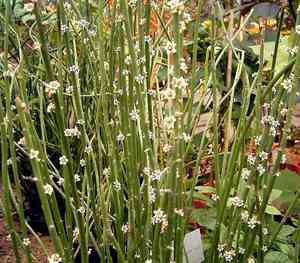
Candelilla (Euphorbia antisyphilitica)
Also known as: Little Candle
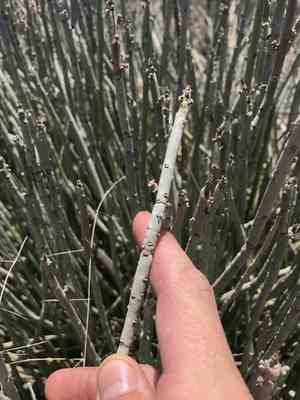
Candelilla (Euphorbia antisyphilitica) is a desert-native plant found in North America. It features clusters of slender, wax-coated stems, resembling thin candles. The plant has small leaves and flowers distributed along its stem. The high-quality wax derived from Candelilla is utilized in making soaps, candles, and products for waterproofing and lubrication.
In This Article
Attributes of Candelilla
Lifespan
Perennial
Plant Type
Herb, Shrub
Plant Height
75 cm
Spread
50 cm
Leaf Color
Gray-green to silvery (leaves are tiny and often absent)
Flower Size
Small, not very noticeable
Flower Color
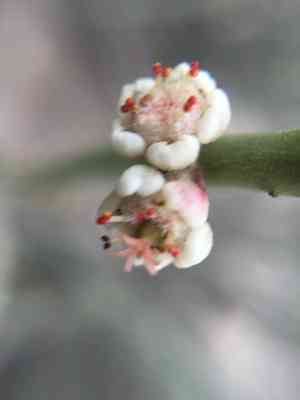
White Pink
Images of Candelilla
Quickly Identify Candelilla
1
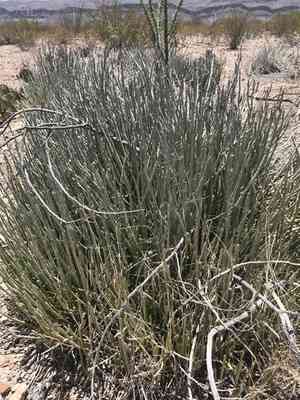
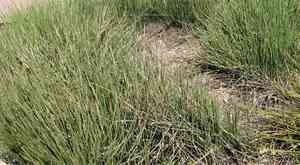
Erect succulent reaching 2 feet (60 cm) height, forming clumps
2
Gray-green cylindrical stems with distinctive grayish wax coating
3
Late winter to spring flowering with small white flowers and red centers
4
Adapted to full-sun environments, requires well-drained soil conditions
Scientific Classification of Candelilla
Phylum
Vascular plants
Class
Dicotyledons
Order
Malpighiales
Family
Spurge
Genus
Spurges
Species
Candelilla
Planting and Growing of Candelilla
Care Difficulty
Easy
Watering Schedule
Every 2 days
Sunlight Requirements
Full sun
Sunshine Duration
4-6 hours
Ideal Temperature
65-80℉
Soil Type
Potting Mix, Peat Mix
Soil pH
6.5-7.5
Fertilizer Type
Balanced
Pruning Season
Spring, Summer
Pruning Area
Branches, Leaves
Pruning Frequency
2 times a year
Repotting Season
Spring
Pot Type
Plastic, Ceramic
 How to Water Candelilla?
When watering Euphorbia antisyphilitica, it's essential to ensure the soil is thoroughly moistened but not waterlogged. Aim for around 200ml per watering session, enough to moisten the soil about two inches deep. Allow the topsoil to dry out between waterings to mimic its natural arid environment.
What are the symptoms of an underwatered Candelilla?
›
What should I do if my Candelilla is not getting enough water?
›
What are the symptoms of an overwatered Candelilla?
›
How to save an overwatered Candelilla?
›
 What Are the Sunlight Requirements for Candelilla?
Euphorbia antisyphilitica prefers full sun to partial sun, thriving in environments that offer 6 to 8 hours of sunlight daily. This ensures robust health, vibrant leaf color, and sustained resilience.
More About Sunlight Requirements Techniques→
What is the ideal light intensity for Euphorbia antisyphilitica?
›
How to ensure Euphorbia antisyphilitica gets enough sunlight indoors?
›
What benefits does Euphorbia antisyphilitica derive from ideal lighting conditions?
›
 What Is the Ideal Temperature Range for Candelilla?
Euphorbia antisyphilitica thrives best in a temperature range of 65°F to 80°F. This range allows the plant to carry out its physiological processes optimally. Temperatures within this bracket enable proper respiration, photosynthesis, and metabolic functions without causing stress, ensuring robust growth and development.
 What Soil is Best for Candelilla?
Euphorbia antisyphilitica thrives in well-drained soils. Proper drainage prevents root rot, ensuring the plant remains healthy by allowing excess water to escape easily. While not overly demanding, a nutrient-rich environment supports optimal growth and bloom. It ensures the plant receives adequate nourishment for vibrant development. This plant prefers soils with moderate moisture levels, avoiding conditions that are either too dry or too wet. Balanced moisture supports steady growth and resilience.
 How to Fertilize Candelilla?
For Euphorbia antisyphilitica, the amount of fertilizer should be kept moderate. Typically, you can use a balanced 10-10-10 NPK fertilizer at a rate of half the recommended strength. This helps in providing essential nutrients without the risk of over-fertilization. Ensure the soil is moist before applying, as this aids in better absorption.
 How to Prune Candelilla?
Begin by cleaning your pruning shears to prevent the spread of disease. Carefully identify any dead or damaged stems and cut them back to the base of the plant. Be sure to remove any branches that are growing inwards or crossing each other. Aim to maintain a balanced shape, focusing on enhancing air circulation and light penetration through the plant.
More About Pruning Techniques→
 How to Propagate Candelilla plant?
1
Choose a mature and healthy Euphorbia antisyphilitica plant for propagation. Look for strong, disease-free stems to ensure that you start with the best possible material for successful propagation.
2
Cut 4-6 inch sections of the stem with a node in the middle. Use clean, sharp pruning shears, and make the cuts just below a node to encourage root growth. Allow the cut ends to dry for a few hours to prevent sap leakage.
3
Prepare a pot with well-draining soil, mix with sand or perlite for extra drainage. Dip the cut end of the stem in rooting hormone before planting it about 1-2 inches deep in the soil. Water lightly to avoid damping off.
 How to Repot Candelilla plant?
1
Keep an eye out for roots growing out of the drainage holes or a plant that seems to stop thriving despite proper care. These are clear signals that Euphorbia antisyphilitica needs more space for its roots. Spring and summer are the best seasons to repot, as the plant is in its active growth phase.
2
Select a pot that is one or two sizes larger than the current one. Ensure it has ample drainage holes to prevent water accumulation. A slightly porous pot such as terracotta is ideal as it helps the soil dry out between watering, mimicking the plant’s native arid habitat.
3
Opt for a well-draining cactus or succulent mix that contains sand or perlite. These components ensure excellent drainage and aeration, which are critical for preventing root rot in Euphorbia antisyphilitica. Such soil mimics the plant's natural environment and supports healthy growth.
Toxicity
Contact with sap, ingestion
WARNING
The judgment on toxicity and danger is for reference only. We DO NOT GUARANTEE any accuracy of such judgment. Therefore, you SHALL NOT rely on such judgment. It is IMPORTANT TO SEEK PROFESSIONAL ADVICE in advance when necessary.



