How to Transplant Forest red gum?
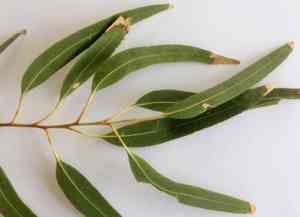
Relocate forest red gum as new life emerges, generally from the initial swelling of buds through the peak of late spring's development. Select a brightly lit spot with soil that drains effectively, guaranteeing forest red gum's root system sufficient room to establish itself profoundly.
Necessary Preparations Before Relocating Forest Red Gum?
When is the Best Time to Move Forest Red Gum?
The ideal period for moving forest red gum is from the beginning of spring until it's in full bloom. This timing ensures mild temperatures and increasing daylight encourage root development without the stress of extreme heat. Relocating forest red gum during this window promotes strong growth as the soil warms and the risk of frost decreases, providing a nurturing environment for establishment. Friendly advice: choose this season to give your forest red gum the best start in its new spot!
What Distance Should Be Maintained Between Forest Red Gum Plants?
When planning to move your forest red gum, ensure you've allotted sufficient space. Aim for a separation of approximately 33-66 feet (10-20 meters) between each tree. This will provide your forest red gums ample room for their roots and branches to expand as they mature.
What is the Optimal Soil Blend for Forest Red Gum Transplantation?
For your forest red gum, you'll want to prepare a site with soil that drains well. If possible, incorporate some organic compost to enrich the soil. A slow-release, all-purpose fertilizer would be an excellent start for your forest red gums to help them settle into their new home.
Where Should You Replant Your Forest Red Gum?
Your forest red gum will flourish in a location that receives ample sunlight. Therefore, select a spot where your plant can enjoy at least 6 hours of direct sunlight daily. Sufficient sunlight ensures vigorous growth and the best possible beginning for your forest red gum!
What Tools Should You Prepare Before Transplanting Forest Red Gum?
Gardening Gloves
To safeguard your hands while handling soil and forest red gum.
Shovel or Spade
For excavating the plant and preparing the new planting site.
Pruning Shears
To trim any damaged or overly long roots prior to transplanting.
Wheelbarrow or Tarp
To transport the forest red gum and soil without harming the root system.
Watering Can or Hose
To hydrate the forest red gum before and after transplanting, ensuring adequate moisture.
Rooting Hormone (optional)
To encourage root development after transplanting, if desired.
Mulch
To apply around the base of the plant post-transplant, aiding in moisture retention and temperature regulation.
Stakes and Ties
For supporting the forest red gum in its new location if it is particularly tall or in a windy area.
How to Extract Forest Red Gum from the Ground?
How to Extract Forest Red Gum from the Ground?
From Ground: First, thoroughly moisten the forest red gum to dampen the surrounding soil. Using the shovel or spade, dig a wide perimeter around the plant, being careful not to cut any roots. Gently work around the root ball, and carefully lift the forest red gum from the ground, keeping as much of the root soil intact as possible.From Pot: Ensure the soil is damp, and tilt the pot sideways while supporting the forest red gum at its base. Gently tap or squeeze the pot to loosen the plant. Gradually remove the forest red gum while preserving the root ball's structure.From Seedling Tray: Water the seedlings beforehand. Using a spoon or a dibber, carefully lift the forest red gum seedling by pushing up from the bottom of the cell. Support the seedling by holding the leaves, not the stem, to avoid damage.
Step-by-Step Guide for Relocating Forest Red Gum
Preparation
Prepare the new planting area by loosening the soil to a depth of approximately 12 inches and removing any weeds or debris nearby.
Hole Digging
Excavate a hole twice as wide and slightly deeper than the forest red gum's root ball. This will provide ample space for the roots to spread and establish themselves.
Root Pruning
Inspect the forest red gum roots for any signs of circling or girdling. If present, gently trim them using pruning shears to promote outward growth.
Placement
Position the forest red gum in the center of the hole, ensuring the top of the root ball is level with or slightly above the surrounding soil to prevent water from accumulating at the stem's base.
Filling In
Carefully backfill the hole with soil, gently tamping down around the root ball to eliminate air pockets. Do not compact the soil too firmly, as this can harm the roots.
Watering In
Thoroughly water the forest red gum to settle the soil and hydrate the roots. This will also help remove any remaining air pockets.
Mulching
Apply a 2-3 inch layer of mulch around the base of the forest red gum, keeping it away from the stem to prevent rot.
How to Care for Forest Red Gum After Relocation?
Watering
Maintain consistent moisture levels for the forest red gum, especially during its initial growing season, to encourage strong root development.
Staking
If the forest red gum is tall, use stakes and ties to provide additional support until its roots take hold and can stabilize the plant independently.
Pruning
Limit pruning immediately after transplanting to only damaged or dead branches. Allow the forest red gum to recover and prioritize root growth.
Observation
Regularly inspect your forest red gum for indications of stress, such as wilting leaves or discoloration. Address any issues promptly to ensure your plant's health.
Feeding
Avoid over-fertilizing as it can harm the roots. If necessary, use a mild, slow-release fertilizer suitable for newly established trees.
Addressing Common Issues with Forest Red Gum Transplantation.
What's the best time for transplanting forest red gum saplings?
The ideal period is during the mild warmth of early to late spring, avoiding summer's intense heat.
How far apart should I space forest red gum when planting?
To allow ample room for growth, space forest red gum approximately 33-66 feet (10-20 meters) apart.
Is there a specific depth for planting forest red gum saplings?
Yes, the hole should be twice the root ball's width and the same depth to ensure stability.
What type of soil is best for transplanting forest red gum?
Forest red gum thrives in well-draining soil; avoid waterlogged areas to prevent root rot.
How much should I water forest red gum after transplanting?
Initially, water deeply to settle the soil, then regular moderate watering as the tree establishes.
Do forest red gum saplings need staking after transplanting?
Staking can be beneficial for stability, but ensure not to damage the root system.
Should I prune forest red gum after transplanting?
Minimal pruning is recommended to remove any damaged limbs and encourage healthy growth.
Can I fertilize forest red gum immediately after transplanting?
Wait a few months to avoid burning the roots; then, use a balanced fertilizer sparingly.
What signs indicate transplant shock in forest red gum?
Wilting, yellowing leaves, and stunted growth are typical symptoms to watch out for.
How do I protect forest red gum from pests when transplanting?
Use organic mulch to deter pests and regularly inspect for signs of infestation.



