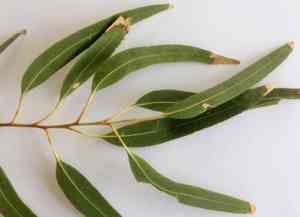
Forest red gum (Eucalyptus tereticornis)
Also known as: Red irongum, Queensland blue gum, Grey gum, Mountain gum
The blue gum tree, native to Australia, can grow up to 50 meters tall and is valued for its durable hardwood. Its leaves are a common source of eucalyptus oil, which is often used in scented products but can be harmful if ingested.
In This Article
Attributes of Forest red gum
Lifespan
Perennial
Plant Type
Tree
Plant Height
49 m
Spread
15 m
Leaf Color
Dark green
Flower Size
1 to 2 centimeters (0.4 to 0.8 inches)
Flower Color
White
Images of Forest red gum
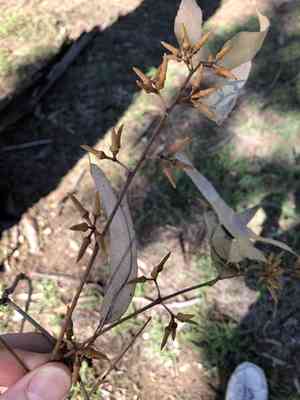
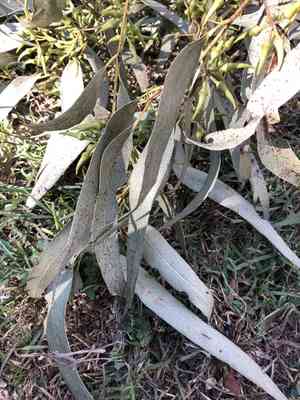
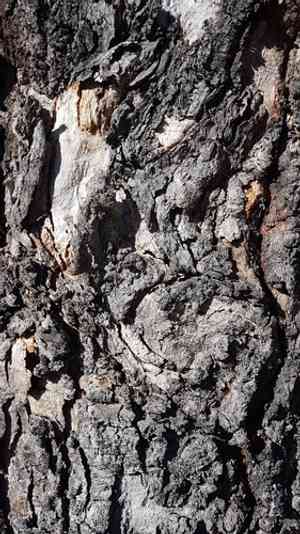
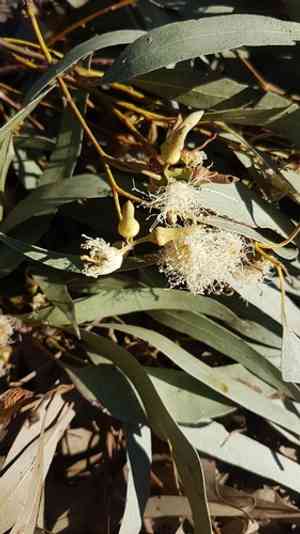
Quickly Identify Forest red gum
1
Look for a tall tree with smooth, pale mottled bark that sheds in strips. The leaves are lance-shaped, glossy green, and alternately arranged. The flower buds are in clusters and burst into white or cream flowers.
Scientific Classification of Forest red gum
Phylum
Vascular plants
Class
Dicotyledons
Order
Myrtales
Family
Myrtle
Genus
Eucalypts
Species
Forest red gum
Planting and Growing of Forest red gum
Care Difficulty
Easy
Watering Schedule
Every 2 days
Sunlight Requirements
Full sun
Sunshine Duration
4-6 hours
Ideal Temperature
65-80℉
Soil Type
Potting Mix, Peat Mix
Soil pH
6.5-7.5
Fertilizer Type
Balanced
Pruning Season
Spring, Summer
Pruning Area
Branches, Leaves
Pruning Frequency
2 times a year
Repotting Season
Spring
Pot Type
Plastic, Ceramic
 How to Water Forest red gum?
Eucalyptus tereticornis prefers evenly moist but not waterlogged soil. Water thoroughly but allow the top inch of soil to dry out between watering. This ensures the roots get enough moisture without being submerged, which can cause root rot.
What are the symptoms of an underwatered Forest red gum?
›
What should I do if my Forest red gum is not getting enough water?
›
What are the symptoms of an overwatered Forest red gum?
›
How to save an overwatered Forest red gum?
›
 What Are the Sunlight Requirements for Forest red gum?
Eucalyptus tereticornis requires full sun, which means exposure to sun all day long. Ideal lighting promotes optimum growth and strengthens the plant against pests and diseases.
More About Sunlight Requirements Techniques→
What is the best lighting condition for Eucalyptus tereticornis?
›
How can I ensure my Eucalyptus tereticornis gets enough light?
›
What are the benefits of ideal lighting for Eucalyptus tereticornis?
›
 What Is the Ideal Temperature Range for Forest red gum?
The ideal temperature range for Eucalyptus tereticornis cultivation lies between 65°F and 80°F. This range supports optimal growth, photosynthesis, and overall plant health. Maintaining this temperature window ensures that the tree performs its physiological processes efficiently, leading to strong development and higher resistance to diseases. Keeping temperatures consistently within this range helps prevent stress, promoting lush foliage and robust growth.
 What Soil is Best for Forest red gum?
Eucalyptus tereticornis thrives in soils that are rich in nutrients. A soil well-supplied with essential minerals ensures vigorous growth and enhanced foliage. Such soils support ample microbial activity, promoting healthy root systems. This species requires well-draining soils to prevent root rot and ensure adequate oxygen reaches the roots. Adequate drainage helps maintain the right moisture balance, giving the plant the best conditions to absorb nutrients effectively. The ideal soil holds enough moisture to support the tree during dry periods but doesn't become waterlogged. This moisture balance supports sustained growth and resilience against drought conditions.
 How to Fertilize Forest red gum?
Eucalyptus tereticornis typically requires moderate fertilization. Adult trees may need about 200 grams of fertilizer per application, primarily during the active growth phase. Young trees should receive proportionately less, depending on their development stage. It's critical to avoid over-fertilization as eucalyptus can be sensitive to excessive nutrients.
 How to Prune Forest red gum?
Begin by removing any dead, diseased, or damaged branches close to the main trunk. Thin out crowded areas, ensuring some branches are left to maintain the tree’s structural integrity. Prune back to the branch collar, where the branch meets the trunk, to facilitate appropriate healing and prevent decay. Focus on maintaining an open canopy to improve sunlight penetration and air circulation. Cut back lateral branches by about one-third to achieve this, which will help reduce the risk of fungal diseases and promote overall health.
More About Pruning Techniques→
 How to Propagate Forest red gum plant?
1
Harvest mature seeds from the Eucalyptus tereticornis when the seed capsules open. Ensure they are fully dry before storage or immediate use. Proper collection timing ensures a higher germination rate.
2
Select healthy, non-flowering stems for cuttings, ideally around 10-15 cm in length. Remove the lower leaves, leaving a few at the top, to reduce moisture loss and increase the success rate of rooting.
3
Place the prepared cuttings in a growing medium consisting of sand and peat in equal parts, ensuring about a third of the cutting is below the surface. Keep the medium moist but not waterlogged to prevent rotting.
 How to Repot Forest red gum plant?
1
Eucalyptus tereticornis shows signs of needing repotting when its roots start emerging from the pot's drainage holes. The plant may also exhibit stunted growth and yellowing leaves, indicating it's time for a larger space. Spring or early summer is ideal for repotting, as active growth supports recovery.
2
Choosing the right pot for Eucalyptus tereticornis is crucial. Opt for a pot that's about 2 inches larger in diameter than the current one. Ensure it has ample drainage holes to prevent waterlogging, which can lead to root rot. The extra space supports healthy growth without overwhelming the plant.
3
Select a well-draining potting mix, enriched with organic matter. This allows roots to breathe and prevents waterlogging, crucial for avoiding root rot. A combination of garden soil, perlite and bark promotes aeration, ensuring the plant receives adequate nutrients for robust growth.
Toxicity
Ingestion, Skin Contact
WARNING
The judgment on toxicity and danger is for reference only. We DO NOT GUARANTEE any accuracy of such judgment. Therefore, you SHALL NOT rely on such judgment. It is IMPORTANT TO SEEK PROFESSIONAL ADVICE in advance when necessary.



