How to Prune Forest red gum?
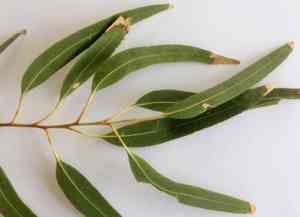
This rapidly developing, lofty tree, characterized by its sleek bark and expansive, sturdy crown, necessitates meticulous trimming for both its form and well-being. For forest red gum, the primary method of pruning entails the judicious elimination of lower limbs (structural pruning) to improve the tree's architecture and enable access beneath its canopy. The most opportune period for pruning is in winter, when the tree's growth is inactive, thereby lessening the strain on the tree. Pruning additionally facilitates the extraction of deceased or ailing wood, fostering superior air movement and diminishing the likelihood of pest infestations.
Advantages of Trimming Forest Red Gum
Advantages of Trimming Forest Red Gum
Trimming forest red gum promotes robust development and maintains its desired form. Regular removal of old and lifeless branches fosters a strong framework, lowering disease risk and resulting in a more attractive appearance.
Optimal Period for Trimming Forest Red Gum
Optimal Period for Trimming Forest Red Gum
Winter is the best season for trimming forest red gum as it's typically the tree's inactive phase. During this time, sap flow is reduced, minimizing stress and bleeding from cuts. Winter trimming stimulates new growth in spring, allowing the plant to recover faster and lessen infection risk. Furthermore, the absence of leaves during this season offers better visibility for making precise cuts and shaping the tree. It's crucial to avoid extensive trimming during the flowering period to prevent impacting the tree's natural reproductive cycle.
Tools Required for Trimming Forest Red Gum
Hand Pruners
Suitable for small branches up to 3/4 inches in diameter. Forest red gum's younger, thinner branches can be easily cut with these.
Loppers
Ideal for branches between 1 1/2 to 2 inches in diameter. Forest red gum's moderately sized branches require a tool that offers leverage and reach.
Pruning Saw
Best for cutting through branches over 2 inches in diameter. Since forest red gum can have substantial branch growth, a pruning saw is necessary for clean cuts without damaging the tree.
Pole Pruner
Useful for reaching higher branches that are up to 1 1/2 inches in diameter without using a ladder. As forest red gum can grow tall, a pole pruner provides the necessary reach.
Chainsaw
For the largest branches or when conducting significant pruning tasks on forest red gum, a chainsaw can be used, though with careful consideration to safety and the health of the tree.
How to Trim Forest Red Gum
Inspect
Examine forest red gum thoroughly to identify dead or diseased branches. Look for branches that are dry, lack leaves or have discolored or peeling bark, as well as any with visible signs of disease, such as cankers or unusual growths.
Clean tools
Before starting, ensure your pruning tools are clean and sharp to prevent infection and make clean cuts. Use a solution of 1 part bleach to 9 parts water to sterilize your tools or an equivalent disinfectant.
Prune dead
Using a hand saw for thicker branches and secateurs for smaller branches, carefully remove dead branches from forest red gum. Cut them at the point where they join a healthy branch or at the collar just outside the branch base, taking care not to damage the surrounding bark.
Prune diseased
Prune diseased branches on forest red gum similarly to dead branches, but make sure to cut well below the affected area to ensure all parts of the disease are removed. Always sterilize tools between cuts when dealing with diseased material.
Dispose
Dispose of dead and diseased branches properly by burning them or bagging and removing them from the site. Do not compost as this could spread disease or pests. Clean and sanitize your tools after finishing.
Common Trimming Errors with Forest Red Gum
Over-pruning
Removing too much foliage or too many branches at once can shock forest red gum and lead to poor growth or disease.
Improper Tools
Using dull or dirty tools can damage the bark and branches of forest red gum, leaving jagged cuts that are susceptible to infection.
Making Flush Cuts
Cutting too close to the trunk, known as flush cuts, removes the branch collar and impedes forest red gum's natural healing process.
Not Pruning at all
Neglecting to prune can lead to a dense canopy, reduced air circulation, and increased risk of fungal diseases for forest red gum.
Topping
Cutting the top off of forest red gum, or 'topping', leads to weak new growth, susceptibility to pests and diseases, and can ultimately shorten the lifespan of the tree.
General Trimming Advice for Forest Red Gum
Sharp Tools
Always use clean, sharp tools to make clean cuts that heal quickly, preventing disease entry on forest red gum.
Selective Pruning
Target dead, diseased, or crossing branches for removal to improve the structure and health of forest red gum. Aim to maintain the tree's natural form.
Prune for Airflow
Thin the canopy to increase light penetration and air circulation, which are vital for the health of forest red gum.
Avoid Large Wounds
Make smaller, strategic cuts instead of removing large branches to minimize stress and promote quicker healing for forest red gum.
Proper Cut Placement
Make cuts just outside the branch collar without leaving a stub, to support the natural healing process of forest red gum.
Safety First
When dealing with larger specimens of forest red gum, ensure you use proper safety equipment and consider hiring a professional if the task seems risky.



