The Forest red gum Plant Advantage: Maximizing Home and Office Appeal and Wellness
1
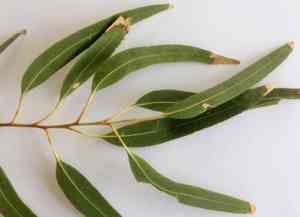
Eucalyptus tereticornis is a rapidly developing tree offering crucial wildlife sanctuary.
2
The essential oil derived from Eucalyptus tereticornis foliage finds extensive application in herbal medicines.
3
Eucalyptus tereticornis contributes substantially to enhancing atmospheric purity and mitigating soil degradation.
How Does Forest red gum Benefit the Environment?
Enhancing Air Quality
Forest red gum significantly improves air quality. This tree is known for its capacity to absorb substantial carbon dioxide, thereby lowering greenhouse gas levels. Through photosynthesis, Forest red gum releases oxygen, positively impacting the atmosphere. Additionally, its dense foliage acts as a natural filter, capturing dust and particulate matter, leading to cleaner air.
Soil Erosion Prevention
The extensive root system of Forest red gum effectively anchors the soil, making it highly efficient at preventing soil erosion. This root network stabilizes the ground and lessens the impact of water runoff. It particularly benefits areas prone to erosion and aids in the rehabilitation of degraded land.
Biodiversity Support
Forest red gum acts as a protector of biodiversity. Its thick canopy offers essential shade and habitat for numerous wildlife species. Birds, insects, and mammals find shelter within its branches, fostering a thriving ecosystem. It's a crucial component of many forest systems, ensuring the survival of various life forms.
What Are the Practical Uses of Forest red gum?
Industrial Applications
Forest red gum is highly valued in the industrial sector for its durable and rapidly growing timber. The wood from Forest red gum is utilized in construction, furniture manufacturing, and even paper production. Its ability to grow quickly and sustainably makes it an excellent choice for these purposes.
Natural Remedies
The leaves of Forest red gum are a source of essential oils widely used in natural remedies. These oils possess antiseptic and anti-inflammatory properties, making them valuable for various therapeutic applications. They are commonly used in aromatherapy, cleaning products, and even add a fresh scent to personal care items.
Firewood and Charcoal Production
Forest red gum also serves as an efficient source of firewood and charcoal. The wood is dense, burns for a long time, and produces a significant amount of heat, making it a preferred choice for these uses. Its use as firewood is particularly appreciated in rural and remote areas where other fuel sources might be scarce.
How Is Forest red gum Cultivated and Managed?
Cultivation Techniques
Cultivating Forest red gum involves specific methods to ensure healthy growth and maximize yield. It's often propagated through seeds or cuttings, and planting sites are carefully chosen to match the soil and climatic conditions favorable for its growth. Pruning and thinning practices are also employed to promote better air circulation within the branches, reducing the chances of pest infestations.
Sustainable Practices
Sustainability is crucial in the management of Forest red gum plantations. Practices such as controlled harvesting, replanting, and minimal use of chemical inputs help maintain ecological balance. These methods ensure that the plantations remain viable and productive over long periods, contributing to environmental conservation and resource sustainability.
Challenges in Management
Despite its resilience, managing Forest red gum plantations comes with challenges. These include susceptibility to pests and diseases, water requirements during dry periods, and the need for ongoing soil fertility management. Addressing these challenges involves integrated pest management practices, water conservation techniques, and soil amendments to maintain a healthy plantation.
Why Is Forest red gum's Role Unique in Its Ecosystem?
Native Significance
Forest red gum holds a unique position in its native ecosystems. It's not only adapted to local environmental conditions but also plays a critical role in maintaining ecological balance. Its presence in native forests supports various forms of life and continues to be a vital aspect of natural heritage.
Contribution to the Water Cycle
Forest red gum contributes significantly to the water cycle through its extensive root systems, which aid in groundwater recharge. The tree's ability to transpire water back into the atmosphere also regulates local humidity levels, creating favorable microclimates.



