How to Transplant Yellow gum?
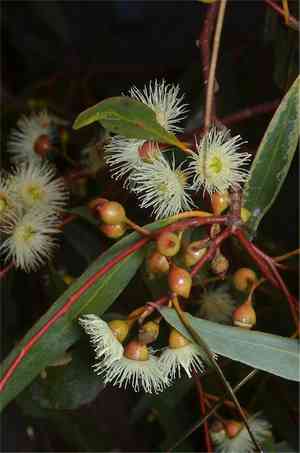
The ideal period for transplanting yellow gum spans from the revitalizing onset of early spring through the milder days of late spring, allowing roots to properly anchor prior to summer. Choose bright spots featuring soil that drains effectively; a comfortable environment for peak development. A pleasant detail â supply generous hydration after its placement in the new location.
Essential Preparations Before Relocating Yellow Gum?
What is the Ideal Time for Transplanting Yellow Gum?
The best period for moving yellow gum is when temperatures rise, from mid-spring to early summer. Transplanting yellow gum during this window aligns with its natural growth cycle, allowing sufficient time for root establishment before extreme heat or cold. This timing helps the plant endure seasonal changes effectively, building a strong foundation for its health and development.
How Much Space Should You Leave Between Yellow Gum Plants?
When transplanting your yellow gum, aim for a generous area, allowing 20-30 feet (6-9 meters) between each specimen. This provides your yellow gum ample room to grow and flourish without competing for essential resources.
What is the Best Soil Mix for Yellow Gum Transplanting?
Prepare the soil to have good drainage and a pH that is neutral to slightly acidic. Incorporate a slow-release, low-phosphorus fertilizer to give your yellow gum an excellent start. Remember, a thriving yellow gum begins with healthy soil!
Where Should You Relocate Your Yellow Gum?
Select a sunny location for your yellow gum, as it thrives in full sunlight. This means it needs at least 6 hours of direct, unfiltered sunlight daily. A spot that receives sun for most of the day is perfect for keeping your yellow gum vibrant.
What Equipment Should You Prepare Before Transplanting Yellow Gum?
Gardening Gloves
To safeguard your hands while handling soil and the plant.
Shovel or Spade
For excavating the plant and preparing the new planting site.
Wheelbarrow or Tarp
To move the yellow gum and manage any debris.
Pruning Shears
To trim any damaged roots or branches.
Watering Can or Hose
For hydrating the yellow gum before and after its relocation.
Organic Mulch
To help maintain soil moisture and regulate temperature after transplant.
Stakes and Ties
For providing support to the yellow gum if needed post-transplant.
How Do You Remove Yellow Gum from the Soil?
How Do You Remove Yellow Gum from the Soil?
From Ground: Thoroughly water the yellow gum to moisten the soil. Use a shovel to dig a wide circle around the yellow gum, going deep enough to encompass the root ball. Gently work the shovel beneath the root ball and carefully lift the yellow gum.From Pot: Water the yellow gum and gently tap the pot's sides to loosen the soil. Tilt the pot sideways and carefully slide the yellow gum out while supporting its base.From Seedling Tray: Dampen the soil to facilitate removal. Gently ease the yellow gum seedling out of its cell, taking care to hold it by the leaves rather than the stem or roots.
Step-by-Step Guide for Transplanting Yellow Gum
Preparation
Thoroughly water the yellow gum before starting the transplant process to minimize shock.
Digging New Hole
Excavate a hole in the ground that is twice the width of the root ball and of equal depth, ensuring roots have ample room to spread.
Root Inspection
Examine the root ball for any indications of disease or circling roots and trim as needed with pruning shears.
Positioning
Place the yellow gum in the center of the new hole and adjust its depth so it sits at the same level it was previously growing.
Filling the Hole
Backfill the hole with the removed soil, gently firming it down to eliminate air pockets.
Staking
If the yellow gum is tall or top-heavy, stake the plant for additional support, being careful not to harm the root system.
Watering
Thoroughly water the yellow gum after transplanting to settle the soil and provide essential moisture.
How Do You Care For Yellow Gum After Transplanting?
Stabilizing
Regularly check stakes and ties to ensure they are effective but not overly tight, allowing for growth.
Mulching
Apply a layer of organic mulch around the base of yellow gum to conserve moisture and protect its roots.
Regular Monitoring
Observe the yellow gum for signs of transplant shock, such as wilting or yellowing leaves, and address them promptly.
Pruning
Prune any damaged or dead branches to direct the yellow gum's energy towards root establishment.
Watering
Establish a consistent watering schedule to keep the soil uniformly moist, especially during dry spells, to encourage robust root growth.
Troubleshooting Common Issues with Yellow Gum Transplantation.
When's the best time to transplant yellow gum?
The ideal transplanting period is from early to late spring, when conditions are mild and plants can settle before summer heat.
How far apart should I space yellow gum when transplanting?
Provide generous spacing for yellow gum, approximately 20-30 feet (6-9 meters) apart, to allow ample room for growth and air circulation.
Why is my transplanted yellow gum showing leaf wilting?
Yellow gum's wilting after transplant may indicate stress. Ensure consistent soil moisture and shield the plant from intense sunlight.
What soil conditions favor yellow gum after transplanting?
Yellow gum thrives in well-drained soil. Before transplanting, enrich the soil with compost to enhance drainage and fertility.
How deep should I dig the hole for yellow gum transplant?
Dig a hole twice as wide and of the same depth as the root ball to ensure roots have sufficient space to establish.
How much should I water yellow gum after transplanting?
Water the plant generously to settle the soil around the roots and maintain consistent soil moisture without waterlogging for the initial weeks.
Can I fertilize yellow gum immediately after transplanting?
Wait 4-6 weeks before fertilizing to allow yellow gum to establish. Fertilizing too soon can harm the delicate root system.
What to do if yellow gum doesnât show new growth post-transplant?
If yellow gum shows no new growth, ensure it receives adequate water and sunlight. Also, check for pests or diseases and consult an expert if necessary.
Should I prune yellow gum after transplanting?
Only prune broken or damaged branches after transplanting to help yellow gum prioritize root establishment over foliage recovery.
Why is yellow gum dropping leaves after transplantation?
Leaf drop can be a sign of shock. Ensure proper watering and protection from extreme temperatures to minimize stress.



