Enhancing Your Garden Design with the Yellow gum Plant: A Landscaping Guide
1
Yellow gum provides both visual charm and functional advantages for outdoor spaces.
2
Adding Yellow gum to your yard can enhance ecological variety and decrease upkeep requirements.
3
Yellow gum is well-suited for city settings because of its flexibility and hardiness.
Introducing Yellow Gum in Landscape Design
Overview of Yellow Gum and its appeal for landscaping
When planning a landscape, Yellow Gum emerges as a versatile and appealing choice. This native species offers elegant foliage, vibrant blooms, and distinctive bark, making it an excellent option for enhancing garden aesthetics. Its inherent beauty adds depth and character, fitting seamlessly into various garden styles, from contemporary to classic.
Why integrate Yellow Gum into modern landscape projects?
Incorporating Yellow Gum into current landscaping endeavors is a wise decision for several reasons. It provides ecological advantages, such as fostering local biodiversity and offering wildlife habitats. Furthermore, its robust nature and minimal upkeep requirements make it a practical selection for today's busy lifestyles, ensuring your garden stays beautiful with little effort.
Advantages of Utilizing Yellow Gum in Your Garden
Aesthetic value: Boosting visual appeal
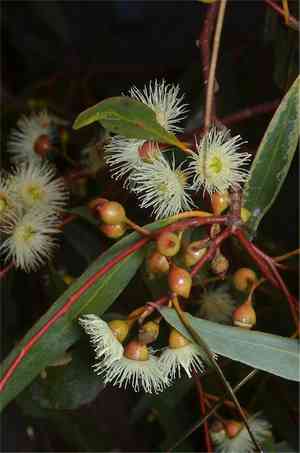
The striking and unique aesthetic charm of Yellow Gum makes it an outstanding focal point in any garden. Its leaves and seasonal flowers create visual interest, while its textured bark adds a distinct touch that can elevate the overall design of your landscape. The combination of colors and textures blends well with other plants and garden elements, ensuring a visually pleasing environment.
Contribution to biodiversity and local ecology
Yellow Gum supports local ecosystems by attracting various wildlife, including birds, bees, and butterflies, which are vital for pollination and seed dispersal. This contribution to biodiversity not only enhances your garden's ecological health but also benefits the broader environment, fostering a more balanced and healthy ecosystem.
Low maintenance needs of Yellow Gum
One of Yellow Gum's prominent features is its minimal maintenance requirements. Once established, it needs little watering and is resistant to pests and diseases. This makes it an ideal plant for gardeners who desire a beautiful landscape without dedicating excessive time to upkeep.
Resilience and adaptability of Yellow Gum
Yellow Gum is renowned for its hardiness and flexibility. It thrives in diverse soil types and conditions, making it suitable for various garden environments. Whether in a wet or dry climate, Yellow Gum can adapt and flourish, providing consistent beauty and ecological benefits throughout the year.
Design Concepts Using Yellow Gum
Integrating Yellow Gum into privacy screens and hedges
Yellow Gum can be strategically planted to form effective privacy screens and hedges. Its dense foliage ensures seclusion, while its height creates a natural barrier between different areas of your garden. This not only offers privacy but also enhances the aesthetic value of your landscape.
Creative applications of Yellow Gum in garden focal points
Using Yellow Gum as a central feature in your garden can produce a visually stunning effect. Whether planted individually or in clusters, it draws the eye and adds structure to your landscape design. Its flowers and foliage provide seasonal interest, making it a dynamic center of attention year-round.
Pairing Yellow Gum with other plant species for contrast
For a garden rich in contrast and diversity, combine Yellow Gum with other plant species. The interplay of different foliage colors, textures, and heights can create a vibrant and varied landscape. This approach not only boosts visual appeal but also promotes a healthier garden ecosystem.
Care and Management Advice for Yellow Gum in Landscapes
Optimal planting methods for Yellow Gum
To achieve the best results with Yellow Gum, plant it in well-draining soil and in a location that receives ample sunlight. When planting, ensure the root ball is level with the ground surface to encourage healthy root development. Regular watering during the initial establishment phase is crucial, but afterward, Yellow Gum will require minimal irrigation.
Seasonal care and management of Yellow Gum
Seasonal care for Yellow Gum involves minimal effort. In spring, prune any dead or damaged branches to stimulate new growth. During the summer, ensure the plant remains hydrated, especially during extended dry periods. In autumn, a layer of mulch can help retain soil moisture and protect the roots during winter.
Addressing common challenges when cultivating Yellow Gum
Although Yellow Gum is resilient, it can encounter issues such as pests or nutrient deficiencies. To address these, regularly inspect the plant for signs of pests and treat them promptly with eco-friendly solutions. Ensuring the soil remains fertile through occasional feeding with balanced fertilizers can also help maintain plant health.
Environmental Impact of Yellow Gum in Urban Settings
Role of Yellow Gum in urban heat reduction
Yellow Gum can significantly contribute to reducing urban heat. Its foliage provides shade, lowering temperatures in its immediate vicinity. This shading effect is particularly beneficial in urban areas, where concrete and asphalt commonly lead to higher local temperatures.
Contribution of Yellow Gum to air quality improvement
Yellow Gum helps enhance air quality by absorbing pollutants and releasing oxygen. In urban environments, this can have a substantial impact on reducing air pollution, contributing to healthier living conditions for residents.
Wildlife attraction and habitat creation with Yellow Gum
By planting Yellow Gum in urban landscapes, you can attract diverse wildlife. Birds, insects, and other animals are drawn to the shelter and food sources provided by Yellow Gum, creating a mini-ecosystem within the urban setting. This helps enhance biodiversity and connect urban residents with nature.



