The Yellow gum Plant Advantage: Maximizing Home and Office Appeal and Wellness
1
Yellow gum exhibits notable resilience to dry conditions.
2
This species contributes to better soil health and erosion control.
3
Yellow gum significantly boosts the variety of life in your outdoor space.
What Makes Yellow gum So Special?
Exceptional Adaptability
Yellow gum flourishes across diverse climates and soil types. Its versatility makes it an excellent option for gardeners in areas with varied environmental conditions. Regardless of whether you have sandy, loamy, or clay soil, Yellow gum can thrive and enhance your garden's beauty.
Visual Appeal and Flexibility
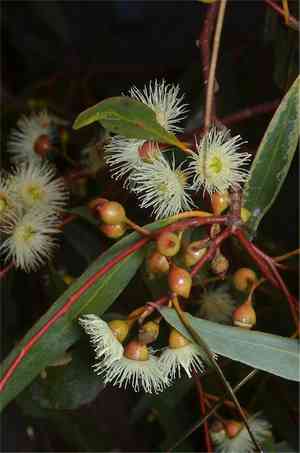
Yellow gum is not only practical but also aesthetically pleasing. With its striking leaves and vibrant blooms, it can act as a focal point or a complementary element in your garden. Its adaptability allows it to integrate seamlessly into various landscaping styles, from contemporary to traditional.
Environmental Advantages of Yellow gum
Improving Soil Quality
A key benefit of Yellow gum is its remarkable capacity to enhance soil quality. The plant's root system helps aerate the soil, promoting better water absorption and retention. This process not only benefits the plant itself but also boosts the growth of nearby vegetation, fostering a thriving ecosystem in your garden.
Erosion Prevention
The robust root system of Yellow gum plays a crucial role in preventing soil erosion. By stabilizing the soil, the plant helps maintain the integrity of your garden's landscape, especially on sloped or hilly terrains. This erosion control capability makes Yellow gum an excellent choice for environmentally conscious gardeners aiming to preserve their outdoor spaces.
How Does Yellow gum Support Biodiversity?
Attracting Wildlife
Yellow gum is a magnet for various forms of wildlife, including birds, bees, and butterflies. Its flowers provide a rich source of nectar, drawing in pollinators and contributing to the overall health of your garden. By incorporating Yellow gum into your garden, you create a haven for these beneficial creatures, promoting biodiversity and enhancing ecological balance.
Creating Habitats
Beyond attracting pollinators, Yellow gum offers shelter and nesting sites for numerous animals. Its dense foliage and sturdy branches provide ideal habitats for birds and small mammals. This aspect of Yellow gum contributes to the creation of a vibrant and dynamic garden environment.
Practical Uses of Yellow gum
Shade and Windbreaks
Yellow gum can be strategically planted to provide much-needed shade in sun-exposed areas of your garden. Additionally, it serves as an effective windbreak, protecting more delicate plants from harsh winds. This dual functionality makes Yellow gum a valuable asset for optimizing your garden's microclimate.
Utilizing Leaves and Resin
Yellow gum's leaves and resin have practical applications in various crafts and DIY projects. The leaves can be used in floral arrangements or as natural mulch, while the resin is often utilized for its aromatic properties. These uses not only add value to your garden but also offer opportunities for creative expression and sustainable practices.
How to Care for Yellow gum in Your Garden?
Planting Guidelines
To ensure the successful growth of Yellow gum, it is important to follow proper planting guidelines. Choose a location with well-drained soil and ample sunlight. Dig a hole slightly larger than the root ball, and backfill with a mix of native soil and organic compost. Water thoroughly after planting to help the roots establish.
Maintenance Tips
Once established, Yellow gum requires minimal maintenance. Regular watering during dry spells and occasional pruning to remove dead or diseased branches are typically sufficient. Fertilize annually with a balanced organic fertilizer to support healthy growth. By following these simple steps, you can enjoy the benefits of Yellow gum for years to come.



