How to Prune Yellow gum?
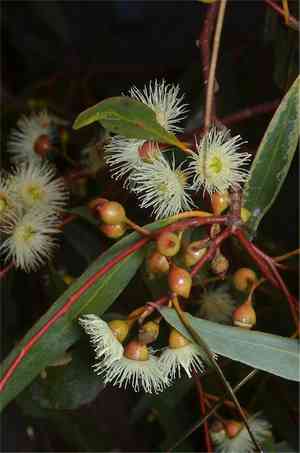
Originating from southeastern Australia, Eucalyptus leucoxylon is recognized for its appealing exfoliating bark and groupings of vibrant blossoms. Effective trimming focuses on eliminating deceased or ailing branches, sculpting for form, and reducing the density of the crown to improve light access and air circulation. The optimal time for pruning is in winter, during its inactive phase, to lessen strain and prevent sap leakage. Particular care should be taken to preserve a singular primary stem to encourage robust development. Advantages of pruning encompass enhanced vitality, visual appeal, and a diminished chance of branch breakage.
Advantages of Trimming Yellow Gum
Advantages of Trimming Yellow Gum
Trimming yellow gum promotes robust development and maintains its desired form. Strategic cuts enhance light penetration and air movement, fostering a strong structure and preventing excessive growth that could compromise vitality and appearance.
Optimal Period for Trimming Yellow Gum
Optimal Period for Trimming Yellow Gum
Trimming yellow gum from late winter to early spring aligns with the plant's dormant phase, minimizing sap loss and stress. This timing allows for the removal of dead or diseased wood before new growth emerges, ensuring the plant's energy is directed towards healthy branches. Furthermore, pruning just prior to the active growth period aids in vigorous recovery and promotes a strong framework, crucial as yellow gum enters its rapid growth phase in spring and summer. Completing pruning before the flowering season helps prevent the loss of blooms and subsequent seed pods, which are vital for local wildlife and the plant's overall aesthetic appeal.
Necessary Tools for Trimming Yellow Gum
Hand Pruners
For small branches and twigs of yellow gum, hand pruners offer precision and clean cuts, minimizing plant damage.
Loppers
For thicker branches of yellow gum that hand pruners cannot manage, loppers provide extended reach and leverage for branches up to 2 inches in diameter.
Pruning Saw
Given the larger size of yellow gum's mature branches, a pruning saw is essential for cutting branches over 2 inches in diameter without causing splintering or uneven cuts.
Pole Pruners
For higher branches on yellow gum that are out of reach, pole pruners enable the gardener to prune without a ladder, enhancing safety.
Pruning Sealer
After cutting larger branches, applying a pruning sealer may help protect yellow gum from disease and insect infestation, though opinions on its necessity vary among horticultural experts.
How to Trim Yellow Gum
Clean Tools
Before trimming yellow gum, sterilize all pruning tools with a solution of 1 part bleach to 9 parts water or use rubbing alcohol to prevent disease spread.
Safety
Wear safety glasses and gloves to protect your eyes and hands from sharp branches and debris when trimming yellow gum.
Cut Dead Branches
Identify and remove dead branches by cutting them at their base where they meet healthy wood, ensuring the cut is clean and at a slight angle to prevent water accumulation.
Remove Diseased Branches
Carefully cut away diseased branches on yellow gum, similarly cutting back to healthy wood and disposing of them immediately to prevent contamination.
Wound Care
Apply a wound dressing or pruning paint to large cuts on yellow gum to promote healing and deter pests or disease from entering the pruning wounds.
Common Trimming Errors with Yellow Gum
Over-Pruning
Removing too much foliage at once can stress yellow gum, hindering its natural growth and reducing its ability to photosynthesize.
Improper Cuts
Incorrect cutting technique can damage yellow gum's bark and branches, leading to disease or pest infestations.
Pruning For Shape Only
Focusing solely on shaping yellow gum without considering health or structural integrity can result in poor growth patterns and vulnerability to wind damage.
Ignoring Weak Or Diseased Limbs
Failing to remove weak, diseased, or dead branches can impede yellow gum's overall health and growth.
Neglecting Tool Hygiene
Using dirty pruning tools can spread diseases between plants and potentially infect yellow gum.
General Trimming Advice for Yellow Gum
Selective Thinning
Remove branches selectively to increase light penetration and air circulation within yellow gum's canopy, which promotes healthy growth.
Cutting Technique
Make clean cuts at a 45-degree angle just above a bud or branch junction, without leaving stubs that could hinder yellow gum's healing process.
Branch Collar Awareness
Respect the branch collar when removing limbs, avoiding flush cuts that can harm yellow gum; instead, preserve the collar to promote proper healing.
Balanced Pruning
Prune yellow gum evenly around the tree to maintain balance and prevent lopsided growth. This also helps preserve the natural shape of the plant.
Tool Maintenance
Always use sharp, clean pruning tools when working on yellow gum to ensure precise cuts and reduce the risk of disease transmission.



