How to Transplant Sugar gum?
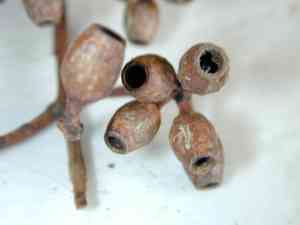
Choose the revitalizing period of late winter to early spring for relocating sugar gum, guaranteeing a smooth establishment in cooler, damp earth. Select sun-drenched locations that offer sufficient room for development. During the transplanting process, enrich the soil with insights from local plant life to foster vigorous well-being.
Preparations Required Before Relocating Sugar Gum
Optimal Period for Relocating Sugar Gum?
For sugar gum, the onset of spring's warmth, typically early to mid-spring, is ideal for relocation. This timing allows sugar gum to settle in moderate temperatures and fully benefit from the upcoming growth period. Moving it during this window also lessens plant stress, as sugar gum will have the entire season to recover and develop a robust root system before summer or winter's harsher conditions. Embrace this season for a strong start to sugar gum's vigorous growth and health.
Recommended Spacing Between Sugar Gum Plants?
For sugar gum, provide ample room for development. Aim for a spacing of 10-15 feet (3-4.5 m) between plants. This ensures their roots have sufficient space to spread without competition.
Best Soil Mixture for Sugar Gum Relocation?
Your sugar gum will flourish in well-draining soil, avoiding extremes of sandiness or clay. Prepare the ground with a foundational fertilizer, rich in organic matter. This will enrich the soil and support the plant's development.
Optimal Location for Your Sugar Gum?
Select a sunny spot for your sugar gum. These plants thrive in sunlight, so a location receiving at least 6 hours of direct sun daily is perfect. Partial shade is acceptable, but not ideal.
Equipment to Prepare Before Relocating Sugar Gum
Garden Spade
Used for excavating the ground to extract the sugar gum plant from its original spot and to dig the new hole for relocation.
Gardening Gloves
To safeguard your hands while handling soil and the plant.
Gardening Fork
Useful for loosening soil in the initial or new location. Also aids in aerating the soil around the plant's roots.
Watering Can
For hydrating the plant post-relocation to help it settle.
Mulch
To maintain soil moisture and alleviate establishment stress for sugar gum.
Wheelbarrow
To assist in transporting the plant from one site to another.
Stakes and Tie
These are beneficial for supporting the sugar gum plant after relocation, as it can sway and become unstable.
How to Extract Sugar Gum from the Soil?
How to Extract Sugar Gum from the Soil?
From Ground: Before removing sugar gum from the ground, water the plant to moisten the surrounding soil. Use a garden spade to dig a wide trench around the plant, ensuring the root ball remains intact. Your trench should be deep enough to encompass most of the plant's roots. Once completed, carefully slide the spade beneath the root ball and lift the plant. From Pot: If extracting sugar gum from a pot, begin by watering it thoroughly. Tilt the pot sideways and tap the rim on a firm surface to loosen the root ball. Hold the plant near its base and gently slide it out. From Seedling Tray: For seedlings, water them first, then use a small tool (like a spoon or dibber) to loosen the soil around the seedling. It's crucial to lift the seedling by its leaves, not its stem.
Step-by-Step Guide for Relocating Sugar Gum
Site Selection
Choose an appropriate relocation hole for sugar gum that should be twice the width of the root ball.
Digging
Excavate a hole using your garden spade, approximately twice as wide and deep as the root ball of your sugar gum.
Planting
Position the sugar gum in the hole, ensuring the top of the root ball is level with the surrounding soil.
Filling
Backfill the hole with soil, gently pressing around the plant's base to ensure stability.
Watering
Water the sugar gum after relocation, making sure the water reaches the plant's root level.
Mulching
After watering, apply mulch around the base of the sugar gum. This will help retain moisture and inhibit weed growth.
Post-Relocation Care for Sugar Gum
Watering
Water sugar gum consistently to keep the soil damp (not saturated) for several weeks after relocation to encourage strong root establishment.
Protection
Shield the relocated sugar gum from strong winds and extreme temperatures, which can stress the plant. Use stakes and a tie to provide support.
Monitoring
Observe sugar gum for signs of stress, such as yellowing or drooping leaves. This could indicate the plant is struggling to establish. If this occurs, assess site conditions, watering, and potential pest issues.
Pruning
Trim any weak or dead branches to stimulate new growth once sugar gum has adapted to its new environment.
Resolving Common Issues with Sugar Gum Relocation.
What is the optimal season to relocate sugar gum?
The ideal period for relocating sugar gum is typically between Season 1 and Season 2. This is when sugar gum experiences peak growth.
How much space should I allow between sugar gum when relocating?
When relocating sugar gum, provide ample room for growth. A spacing of 10 to 15 feet (3 to 4.5 meters) between each plant is recommended.
Why is sugar gum not thriving after relocation?
If sugar gum isn't flourishing, it might be due to relocation stress, insufficient watering, or improper spacing. Allow it time to recover and ensure it receives appropriate care.
What soil type is best when relocating sugar gum?
Sugar gum prefers well-drained soil. If your garden has heavy clay or sandy soil, incorporating organic matter can improve its condition for the plant.
How do I safeguard my relocated sugar gum from pests and diseases?
Watch for early indications of pests and diseases. Use organic or chemical treatments if necessary, but always adhere to package instructions to avoid harming sugar gum.
How do I water sugar gum after relocation?
Water sugar gum generously immediately after relocation. Afterward, keep the soil consistently moist but not waterlogged. Excessive watering can lead to root rot.
Can I relocate sugar gum into a pot?
Absolutely! Sugar gum can thrive in a large pot. Just ensure it has sufficient space for root development and good drainage.
Why are the leaves of my relocated sugar gum turning yellow?
Yellowing leaves may signal overwatering or poor drainage. Adjust your watering schedule and ensure the soil or pot has adequate drainage capacity.
How can I strengthen the root system of my relocated sugar gum?
You can strengthen sugar gum's roots by watering deeply rather than frequently; this encourages roots to grow deeper into the soil, making them more robust.
What light conditions does sugar gum prefer after relocation?
Sugar gum thrives in full sun exposure. Ensure it is placed where it can receive ample daily sunlight for successful growth.



