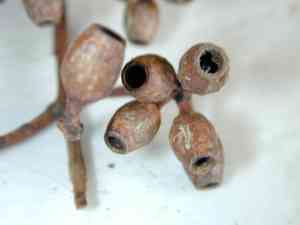
Sugar gum (Eucalyptus cladocalyx)
Also known as: Sugar Gum
The sugar gum (Eucalyptus cladocalyx) is a versatile tree often used as a windbreak. It supports various wildlife, including providing nesting sites for Yellow-tailed black cockatoos. Its flowers are a nectar source for bees. Though its wood isn't particularly strong, it is termite-resistant, making it valuable in construction. The tree's adaptability has led to it being considered invasive in regions like South Africa and Australia.
In This Article
Attributes of Sugar gum
Lifespan
Perennial
Plant Type
Tree
Plant Height
6 m to 8 m
Spread
3 m to 4 m
Leaf Color
Green Blue
Flower Size
1-2 cm
Flower Color
White Cream
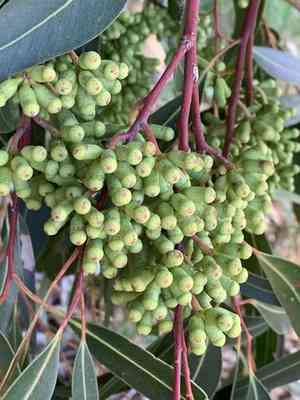
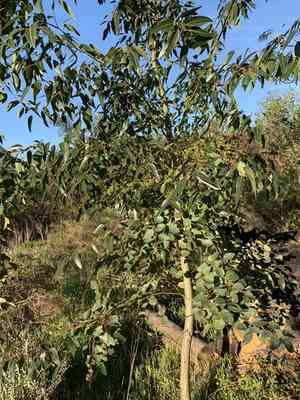
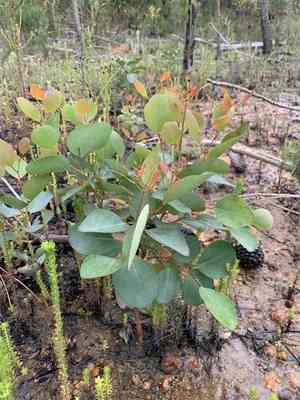
Images of Sugar gum

Quickly Identify Sugar gum
1
To identify Eucalyptus cladocalyx, look for the following characteristics: lance-shaped, glossy green leaves; white to cream-colored flowers that appear in clusters; and a distinctive, deeply textured bark that can appear mottled or fibrous. Additionally, this tree can grow quite tall, reaching heights up to 35 meters.
Scientific Classification of Sugar gum
Phylum
Vascular plants
Class
Dicotyledons
Order
Myrtales
Family
Myrtle
Genus
Eucalypts
Species
Sugar gum
Planting and Growing of Sugar gum
Care Difficulty
Easy
Watering Schedule
Every 2 days
Sunlight Requirements
Full sun
Sunshine Duration
4-8 hours
Ideal Temperature
60-77℉
Soil Type
Potting Mix, Peat Mix
Soil pH
6.5-7.5
Fertilizer Type
Balanced
Pruning Season
Spring, Summer
Pruning Area
Branches, Leaves
Pruning Frequency
2 times a year
Repotting Season
Spring
Pot Type
Plastic, Ceramic
 How to Water Sugar gum?
Eucalyptus cladocalyx, commonly known as the sugar gum, prefers moderate watering. A good practice is to water until the soil is saturated but not waterlogged, ensuring the roots have consistent access to moisture without sitting in water.
What are the symptoms of an underwatered Sugar gum?
›
What should I do if my Sugar gum is not getting enough water?
›
What are the symptoms of an overwatered Sugar gum?
›
How to save an overwatered Sugar gum?
›
 What Are the Sunlight Requirements for Sugar gum?
Eucalyptus cladocalyx ideally requires full sun exposure, which translates to at least 6 hours of direct sunlight daily. This range supports its growth and health by maximizing photosynthetic activity and energy production.
More About Sunlight Requirements Techniques→
Why is full sun ideal for Eucalyptus cladocalyx?
›
What are the practical solutions to ensure Eucalyptus cladocalyx receives ideal sunlight?
›
What are the benefits when Eucalyptus cladocalyx receives the right amount of sunlight?
›
 What Is the Ideal Temperature Range for Sugar gum?
The ideal temperature range for Eucalyptus cladocalyx is between 60°F and 77°F. This range ensures optimal growth and health, allowing the plant to develop strong roots, healthy leaves, and vigorous growth. At these temperatures, the physiological processes of the plant, such as photosynthesis and nutrient uptake, occur most efficiently, resulting in a thriving plant.
 What Soil is Best for Sugar gum?
Eucalyptus cladocalyx thrives in well-draining soil, ensuring the roots do not sit in water, which can lead to root rot and other fungal issues. Good drainage also promotes healthier root systems and robust growth. To support its fast growth rate, Eucalyptus cladocalyx benefits from soil that is rich in essential nutrients, which provides the necessary support for its development and ensures a vibrant, healthy plant. While this tree prefers well-draining soil, it also needs moderate moisture retention to keep its roots hydrated. This balance helps prevent both drought stress and waterlogged conditions.
 How to Fertilize Sugar gum?
For Eucalyptus cladocalyx, apply a balanced liquid fertilizer at a concentration of 1 tablespoon per gallon of water during the active growing season. For slow-release fertilizers, disperse evenly around the root zone, using approximately 90 grams per plant per year.
 How to Prune Sugar gum?
Use sharp and clean pruning shears or saws to ensure clean cuts and prevent the spread of diseases. Sterilize tools with alcohol or bleach solution before use. Start by cutting away any dead, diseased, or damaged branches. This will help stimulate new growth and maintain the tree's overall vigor. Trim branches to maintain a balanced and aesthetically pleasing shape. Focus on removing branches that cross or compete with others, promoting an open structure for sunlight penetration and air circulation. When pruning larger Eucalyptus cladocalyx specimens, prioritize personal safety. Use a stable ladder, wear protective gear, and consider hiring professionals for higher branches.
More About Pruning Techniques→
 How to Propagate Sugar gum plant?
1
Collect mature seeds from Eucalyptus cladocalyx seed pods. Ensure the pods are dry and mature for viable seed propagation, preferably during early spring when seed viability is high.
2
Create a well-draining soil mixture, incorporating sand and peat. This helps ensure proper aeration and root penetration for seedlings and cuttings.
3
For seed propagation, sow seeds on the surface of prepared soil and lightly cover. For cutting propagation, insert cuttings into the soil up to a third of their length.
 How to Repot Sugar gum plant?
1
Eucalyptus cladocalyx requires repotting when its roots begin emerging from the drainage holes or when growth appears stunted. This indicates that the plant has outgrown its current container and needs more space to thrive.
2
Choose a pot that is one size larger than the current one, with adequate drainage to prevent waterlogging. A larger pot allows for root expansion, promoting healthier growth and ensuring the plant does not become root-bound.
3
Opt for a well-draining potting mix, ideally one with a blend of sand, perlite, and peat moss. This combination ensures the right balance of moisture retention and aeration, crucial for preventing root rot and promoting healthy growth.
Toxicity
ingestion
WARNING
The judgment on toxicity and danger is for reference only. We DO NOT GUARANTEE any accuracy of such judgment. Therefore, you SHALL NOT rely on such judgment. It is IMPORTANT TO SEEK PROFESSIONAL ADVICE in advance when necessary.



