How to Prune Sugar gum?
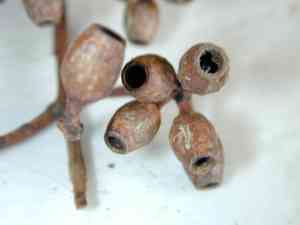
A lofty tree featuring sleek bark and ivory blossoms, Eucalyptus cladocalyx flourishes with judicious trimming. During its winter resting phase, eliminate deceased or ailing branches and reduce crowded canopy sections to improve light access and air movement. Address elongated shoots to foster a more compact form and sustain an even framework. Pruning encourages robust growth and lessens risks associated with falling limbs. Thorough sterilization of implements is essential to avert the dissemination of pathogens when tending to this variety.
What Are the Benefits of Pruning Sugar Gum?
What Are the Benefits of Pruning Sugar Gum?
Trimming sugar gum promotes more robust development by eliminating weak or lifeless branches, which enhances air movement and light exposure. Furthermore, precise cuts help maintain sugar gum's desired form and dimensions, adding to its visual appeal.
What Is the Best Time for Pruning Sugar Gum?
What Is the Best Time for Pruning Sugar Gum?
Trimming sugar gum during winter aligns with its dormant period when growth is minimal. This timing reduces plant stress and lowers the risk of disease transmission through cuts, as most pathogens are less active in cold weather. Winter pruning also allows sugar gum to allocate energy towards healing and new spring growth, fostering a healthy structure and vitality without affecting its typical flowering or fruiting cycles.
What Tools Do I Need to Prune Sugar Gum?
Hand Pruners
Perfect for snipping small branches and foliage on sugar gum. Bypass pruners are preferred for their cleaner cuts, aiding sugar gum's recovery.
Loppers
Essential for branches too thick for hand pruners but not large enough for a saw. They provide leverage and can reach into the canopy without a ladder.
Pruning Saw
For larger branches that hand pruners and loppers cannot manage, a pruning saw is necessary. It enables clean cuts on branches several inches in diameter.
Pole Pruner
Given the potential height of sugar gum, a pole pruner is useful for trimming branches without climbing or using a ladder for the lower canopy.
Chainsaw
For mature sugar gum specimens with thick, woody branches, a chainsaw might be needed. This should only be operated by experienced individuals with proper safety gear.
Hedge Shears
If sugar gum is cultivated as a hedge or for its foliage, hedge shears are beneficial for shaping and maintaining a neat appearance.
How to Prune Sugar Gum
Select tools
Choose appropriate trimming tools for sugar gum, such as secateurs for smaller branches and a pruning saw for larger, dead, or diseased limbs.
Inspect
Carefully examine sugar gum to identify dead or diseased branches requiring removal, looking for signs of decay, discoloration, or damage.
Sanitize
Disinfect your pruning tools before and after use to prevent disease spread. Use alcohol or a bleach solution to clean the blades.
Cut
Make clean cuts to remove dead or diseased branches from sugar gum, cutting close to the trunk or main branch without harming the branch collar. For larger branches, employ the three-cut technique to prevent bark tearing.
Disposal
Properly dispose of removed branches to prevent the potential spread of pests and diseases. Do not use them for mulch or compost that will be applied to healthy sugar gum specimens.
Common Pruning Mistakes with Sugar Gum
Overpruning
Cutting back too much of sugar gum at once can shock the plant, leading to stunted growth or even death.
Improper cuts
Making cuts too flush to the trunk or leaving large stubs can create wounds where pests and diseases can enter.
Removal of too many live branches
Excessive removal of live branches can reduce photosynthesis and vigor, weakening sugar gum.
Ignoring diseased or damaged wood
Failure to remove dead or diseased wood can lead to the spread of pathogens and compromise the health of sugar gum.
Pruning at the wrong time
While timing has been excluded, pruning sugar gum outside the recommended window can interfere with its natural growth cycles and recovery.
Neglecting sanitation
Not sterilizing tools between uses can spread disease from infected plants to healthy ones, including sugar gum.
Inadequate tools
Using dull or inappropriate tools can damage branches and bark, impairing proper wound healing.
Overlooking tree form
Ignoring sugar gum's natural shape can lead to unbalanced growth and weaken the structural integrity of the tree.
Common Pruning Tips for Sugar Gum
Selective pruning
Selectively remove branches that are dead, diseased, damaged, or crossing to promote air circulation and light penetration throughout sugar gum.
Clean cuts
Make clean cuts at a 45-degree angle above a bud or branching point to promote healthy regrowth and reduce the chance of disease entry.
Appropriate scale
Keep the pruning scale appropriate, not removing more than 25% of sugar gum's canopy in a single season to maintain its health and vigor.
Sterilize tools
Sanitize pruning tools before and after use to prevent the spread of disease amongst sugar gum and other plants.
Structural integrity
Focus on maintaining the structural integrity of sugar gum by assessing its natural form and growth habit before pruning.
Gear up
Use sharp, appropriately-sized tools for clean cuts that will heal efficiently on sugar gum, avoiding larger tools that could cause unnecessary damage.
Rejuvenation pruning
Occasionally, sugar gum may benefit from rejuvenation pruning to encourage new growth and improve its appearance, but this should be done with care and knowledge of the plant's response.
Branch collar care
When removing larger branches, cut outside the branch collar without leaving a stub to facilitate proper wound healing and prevent disease.



