How to Propagate Sugar gum?
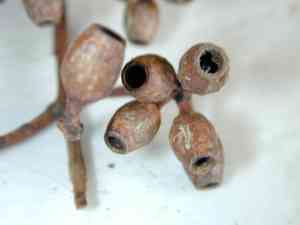
Eucalyptus cladocalyx is commonly multiplied via cuttings. To achieve successful multiplication, choose semi-mature sections from a robust parent specimen. Cut the segments to approximately 6-8 inches in length, making sure each section possesses multiple leaves. Prepare a rooting stimulant and a container filled with a well-draining substrate formulated for Eucalyptus cladocalyx. Immerse the severed end into the stimulant and insert it into the soil. Consistent irrigation is vital, but prevent the growing medium from becoming oversaturated. Root formation typically requires several weeks, after which the young plants can be progressively adapted to external environments.
When Is the Optimal Time to Propagate Sugar Gum?
Propagation Method
Cutting
Propagation Period
Autumn,Winter
What Equipment Is Used for Sugar Gum Propagation?
Sharp Pruning Shears
These are vital for obtaining cuttings from sugar gum. The blades must be keen and clean to ensure a precise cut without harming plant tissues. A clean cut aids in quicker and more successful rooting by preventing infections and excessive damage to the parent plant.
Rooting Hormone Powder
This enhances the probability of successful root formation in sugar gum cuttings. The hormone stimulates root growth from the cut area, which is critical for the cuttings to establish and develop into new plants. It is especially beneficial given the hardwood nature of sugar gum, which might otherwise root slowly or with difficulty.
Sterilized Potting Mix
This medium is utilized for planting the freshly cut stems of sugar gum. A sterile mix prevents the introduction of diseases and pests, which could jeopardize the delicate new roots. The mix should be well-draining yet moisture-retentive to support the needs of sugar gum's cuttings during rooting.
Propagation Tray with Lid
This tool is employed to maintain a consistent environment around the cuttings of sugar gum. The lid assists in preserving high humidity and stable temperature, both of which are essential for encouraging root growth in sugar gum's cuttings. The tray allows for easy monitoring and maintenance of multiple cuttings simultaneously.
How to Propagate Sugar Gum?
Propagation Difficulty
Moderately Difficult
How to Nurture Your Newly Propagated Sugar Gum?
How to Nurture Your Newly Propagated Sugar Gum?
Once roots have formed and new growth appears, slowly introduce sugar gum to less humid conditions by removing the humidity cover for extended periods daily over a week. Transplant sugar gum to a larger container or a permanent outdoor spot with well-draining soil and full sun exposure. Water consistently to establish the root system, but ensure proper drainage to prevent root rot. Fertilize sparingly with a balanced, slow-release fertilizer to support growth in the initial year.
Common Errors to Avoid When Propagating Sugar Gum
Using unsuitable rooting mediums
Selecting incorrect or inappropriate rooting mediums can hinder root development. Sugar gum requires a well-drained, sandy substrate that mimics its natural habitat. Inadequate mediums may retain too much moisture, leading to root rot.
Incorrect cutting techniques
Improper methods for taking cuttings or preparing seeds can significantly decrease propagation success. For sugar gum, it is crucial to choose healthy, disease-free cuttings or mature seeds. Improperly prepared materials may not root or germinate, wasting effort and time.
Excessive watering
Sugar gum is adapted to arid conditions, and overwatering during propagation can result in fungal diseases and poor root development. Over-watering can suffocate developing roots, reducing the plant's chances of survival.
Advice for Propagating Sugar Gum
Application of rooting hormones
Applying a rooting hormone to sugar gum cuttings can increase the likelihood of successful root formation. Rooting hormones help stimulate root growth, leading to a higher success rate in propagation.
Controlled environment for germination
Providing a controlled environment with stable temperature and adequate humidity can improve the germination rates of sugar gum's seeds. Controlled conditions prevent the common fluctuations that can negatively impact seed germination.
Gradual acclimatization
Slowly acclimating young plants to outdoor conditions is vital for sugar gum. Begin by placing them in a sheltered, partially shaded area and gradually increase their exposure to direct sunlight, preparing them for the conditions they will encounter in their permanent location.



