How to Transplant Sea holly?
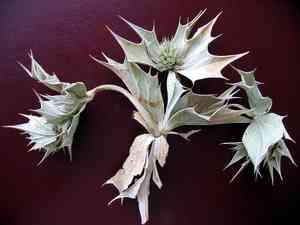
The most favorable period for relocating sea holly spans from the onset of late spring, once temperatures rise, extending into the peak of early summer. Select a location that receives ample sunlight and offers good drainage, replicating its natural seaside habitat. During the process of transplanting sea holly, it is crucial to minimize disruption to its root system for successful establishment.
Essential Preparations Before Relocating Sea Holly?
When is the Optimal Period for Moving Sea Holly?
To introduce sea holly to your garden, the perfect time extends from the cessation of spring rains to the onset of summer's warmth. This timeframe provides the mild conditions sea holly thrives in, ensuring root establishment without extreme temperature stress. Transplanting sea holly during this favorable season not only boosts plant vitality but also attracts bees, enriching your garden's ecosystem.
What Spacing is Recommended Between Sea Holly Plants?
Before planting sea holly in your garden, allocate space so each plant is 18-24 inches (45-60 cm) apart. This allows sea holly ample room to grow without competing for nutrients and sunlight.
Which Soil Mixture is Best for Sea Holly Relocation?
Prepare your soil by aiming for a well-draining sandy base. Incorporate a balanced fertilizer before transplanting sea holly, providing them with essential nutrients for immediate growth. A slow-release granular fertilizer is a beginner-friendly choice.
Where Should You Replant Your Sea Holly?
Select a location for sea holly that receives full sunlight for most of the day. Sea holly enjoys sun exposure and will flourish best in a bright, sunny sanctuary.
What Tools Should You Gather Before Transplanting Sea Holly?
Gardening Gloves
To safeguard your hands while handling soil and plants.
Spade or Shovel
For excavating the plant and preparing the new planting site.
Watering Can or Hose
To hydrate the plant immediately after it's moved.
Trowel
To make minor adjustments to the planting hole and assist in removing smaller plants.
Pruning Shears
For trimming any damaged roots or foliage.
Wheelbarrow
To transport the plant and soil, especially if the plant is large.
Garden Fork
To loosen the soil surrounding the plant prior to its removal.
How to Extract Sea Holly from the Ground?
How to Extract Sea Holly from the Ground?
From Ground: First, moisten the sea holly plant to dampen the soil. Then, dig a wide trench around the plant using a shovel or spade, ensuring the plant's root ball remains intact. Carefully work the spade beneath the root ball to lift the plant from its original spot.From Pot: Tilt the plant sideways and gently tap the bottom and sides of the pot to loosen the soil. Support the plant by its base and slowly ease it out. If the plant is stuck, you might need to cut the pot away without harming the roots.From Seedling Tray: Water the seedlings thoroughly beforehand. Use a trowel or a spoon to carefully lift each seedling along with its root ball, taking care not to disturb the roots more than necessary.
Step-by-Step Guide for Relocating Sea Holly
Preparation
Collect all necessary tools and thoroughly water the sea holly plant before beginning the transplanting process to ensure roots are well-hydrated and the soil adheres better to the root ball during the move.
Root Ball
Gently dig around the plant with a spade or shovel, extending wide enough to encompass as much of the root system as possible. Carefully lift the root ball to minimize root damage.
Transplant Hole
Prepare a hole in the new location that is twice as wide and equally deep as the root ball. Amend the hole with any soil enhancements if not previously covered.
Planting
Position the sea holly plant in the hole, ensuring it sits at the same soil depth as before. Gently backfill the hole with soil, and lightly pat it down to remove air pockets without over-compacting the soil.
Immediate Watering
Water the sea holly thoroughly after transplanting to settle the soil around the roots and help alleviate transplant shock.
Mulching
Apply a layer of mulch around the base of the sea holly to help retain moisture and stabilize soil temperature.
Post-Transplant Care for Sea Holly?
Monitoring
Observe your sea holly closely in the days and weeks following transplanting for indications of transplant shock, such as wilting leaves or stunted growth.
Gradual Sun Exposure
If your sea holly was previously in a shadier spot, gradually acclimate it to the new location's light conditions to prevent sunburn or stress.
Consistent Watering
Ensure the soil around the sea holly receives steady moisture, especially within the first month after transplant. Adjust watering based on rainfall and temperature.
Avoid Fertilization
Refrain from fertilizing immediately after transplanting to prevent root burn. Wait until the sea holly shows signs of new growth and has settled into its new location.
Support
If the sea holly is tall or top-heavy, consider staking it until it is firmly rooted and can withstand wind without toppling.
Pruning
Trim any damaged or dead foliage to help the sea holly direct its energy towards establishing roots rather than repairing compromised tissues.
Addressing Common Issues During Sea Holly Transplantation.
What's the best time to transplant sea holly?
It's ideal to move sea holly during the mild warmth of mid-spring through early summer.
How far apart should sea holly plants be spaced when transplanting?
Ensure sea hollys have ample room to thrive by spacing them 18-24 inches (45-60 cm) apart.
Why is my sea holly wilting after transplant?
Wilting may indicate shock. Keep the soil moist and allow it time to adjust to its new environment.
Should I amend the soil when transplanting sea holly?
Yes, incorporate some organic compost to enrich the soil and support sea holly's development.
Can I transplant sea holly on a hot, sunny day?
Not recommended. Transplant during cooler, overcast conditions to reduce stress and prevent rapid evaporation.
How do I prepare sea holly roots for transplanting?
Gently loosen the root ball before planting to encourage roots to spread in their new space.
What's the right depth to transplant sea holly?
Dig a hole as deep as the root ball but twice as wide, allowing roots to extend comfortably.
How much water does sea holly need after transplanting?
Provide a thorough soaking post-transplant, then water regularly to maintain consistent soil moisture.
What signs of transplant shock should I look out for in sea holly?
Drooping leaves or discoloration are clear indicators. Provide consistent care and avoid drastic interventions.
How do I protect sea holly from pests during transplant stress?
Monitor closely and use organic pest deterrents if needed. Maintaining good plant health helps resist infestations.



