How to Prune Sea holly?
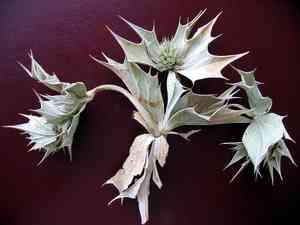
This prickly, silvery-green perennial flourishes in sandy seaside environments. To ensure peak health, trim sea holly by removing faded blossoms to stimulate further flowering. Eliminate any impaired or desiccated growth in late spring and following summer's bloom to preserve the plant's vitality and form. Consistent elimination of decaying leaves additionally wards off illness. No significant trimming is necessary; sea holly naturally exhibits a neat growth pattern. Performing pruning during these periods coincides with vigorous development and fosters robust regrowth.
What Are the Benefits of Pruning Sea Holly?
What Are the Benefits of Pruning Sea Holly?
Trimming sea holly promotes more robust development and helps maintain its characteristic form, ensuring a strong and visually appealing display.
What Is the Best Time for Pruning Sea Holly?
What Is the Best Time for Pruning Sea Holly?
Trimming sea holly in early spring is optimal as the plant remains dormant, minimizing stress and allowing for excellent recovery before new growth starts. This ensures the plant's energy is directed towards developing strong roots and shoots once growth resumes. Late summer pruning is also suitable, after flowering, to remove faded blooms and shape the plant. This timing avoids removing the current year's flowers, which are vital for sea holly's beauty and potentially beneficial for wildlife.
What Tools Do I Need to Prune Sea Holly?
Hand Pruners
Essential for precise trimming of sea holly, enabling selective cutting of individual stems and deadheading.
Gardening Gloves
Offer protection when handling sea holly, which may have spiky foliage and flowers.
Long-Handled Loppers
Perfect for cutting through thicker growth if sea holly has become overgrown and for reaching into dense clumps without disturbing the surrounding area.
Pruning Saw
Useful for removing old, woody stems too thick for hand pruners and loppers, ensuring sea holly maintains healthy growth.
How to Prune Sea Holly
Remove diseased leaves
Identify and eliminate any diseased leaves from sea holly. Use clean, sharp pruning shears and cut the leaf at the base of its stem to prevent disease spread to healthy parts.
Remove withered leaves
Inspect sea holly for withered or yellowing leaves. Gently prune these leaves at their base to encourage new growth and improve air circulation around the plant.
Remove diseased stems
Locate any diseased stems on sea holly. Cut these stems back to healthy tissue, ensuring each cut is made at approximately a 45-degree angle to promote water runoff and prevent disease re-entry.
Sanitize tools
After each cut, disinfect your pruning tools with rubbing alcohol or a 10% bleach solution to avoid spreading pathogens to healthy parts of sea holly or other plants.
Dispose of trimmed material
Discard all removed diseased and withered material away from the garden to reduce the chance of disease transmission. Do not compost infected plant material as it may contaminate the compost.
Common Pruning Mistakes with Sea Holly
Over-pruning
Removing too much foliage can stress sea holly, leading to weakened plants and reduced vigor. It's crucial to limit pruning to the removal of dead or diseased plant parts unless reshaping the plant.
Improper tool use
Using dull or dirty pruning tools can cause jagged cuts and introduce diseases. Always use sharp, clean tools to make clean incisions, which help sea holly recover more quickly.
Pruning live blooms
Pruning live, healthy blooms can reduce the aesthetic appeal and overall flowering of sea holly. Focus on deadheading spent blooms to encourage further flowering.
Ignoring plant shape
Indiscriminate cutting without considering sea holly's natural form may result in an unnatural appearance and can harm its growth. Prune with the plant's growth habit in mind.
Common Pruning Tips for Sea Holly
Deadheading
Regularly remove spent flowers of sea holly to promote new blooms and prevent the plant from putting energy into seed production.
Selective thinning
Thin out crowded areas to improve air circulation, which helps prevent disease and promotes strong growth. Selectively cut back older stems to allow room for new growth.
Cut to the base
When removing dead or diseased foliage or stems of sea holly, cut them back to the base of the plant or to a healthy set of leaves to encourage rejuvenation.
Maintenance trimming
To maintain the desired shape and size, practice light trimming rather than severe cuts. This keeps sea holly looking tidy and can be done as needed throughout the growing season.



