The Sea holly Plant Advantage: Maximizing Home and Office Appeal and Wellness
1
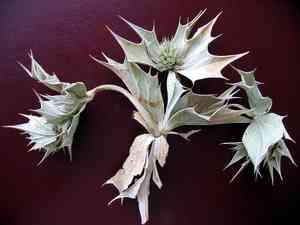
Eryngium, or sea holly, is recognized for its striking look, frequently growing in seaside areas.
2
This species provides several advantages, such as aesthetic appeal and serving as a wildlife haven.
3
Historically, it has been employed for diverse functional uses in garden design and outdoor spaces.
What Makes Sea holly Unique?
Ecological Importance
Sea holly plays a crucial role in coastal environments. Its strong root system helps prevent soil erosion, making it vital for stabilizing sandy dunes and fostering healthy soil structure. Moreover, Sea holly provides habitat and food for various insects and small animals, enhancing the biodiversity of coastal regions.
Aesthetic Appeal
The striking look of Sea holly, with its spiky leaves and distinctive flower heads, adds a touch of wild beauty to any garden. Its blue-green foliage and silvery shimmer create a visually pleasing contrast, especially when paired with other coastal or drought-resistant plants. Whether as a focal point or part of a larger landscape, Sea holly can elevate your outdoor space's visual charm.
How Can Sea holly Enhance Your Garden?
Ornamental Uses
Sea holly is highly valued in gardening for its decorative qualities. Its unique form and color make it an excellent choice for creating visually exciting garden scenes. It is often used in rock gardens, coastal landscapes, and as a companion plant in perennial borders. Due to its low maintenance needs and ability to thrive in poor soil, Sea holly is a favorite among gardeners seeking resilient and long-lasting plants.
Wildlife Attraction
Beyond its beauty, Sea holly attracts a variety of pollinators, including bees and butterflies. Planting Sea holly in your garden can help support local pollinator populations, which are essential for the health of gardens and ecosystems. Additionally, the plant's seed heads can attract birds, offering them food and shelter during the colder months.
What Practical Uses Does Sea holly Have?
Drought Tolerance
Sea holly exhibits impressive drought resistance, making it an ideal candidate for xeriscapingâa landscaping approach designed to minimize irrigation needs. This characteristic not only conserves water but also allows Sea holly to flourish in arid and semi-arid environments where other plants might not survive.
Soil Stabilization
In addition to its decorative and ecological benefits, Sea holly is highly effective at stabilizing loose or sandy soils. Its extensive root system helps bind the soil together, reducing the risk of erosion and promoting a more stable ground structure. This makes Sea holly an excellent choice for planting on slopes, embankments, or other areas prone to soil movement.
Is Sea holly Easy to Grow and Maintain?
Planting and Care
Maintaining Sea holly is relatively simple, thanks to its robust nature. It prefers well-drained soil and full sun exposure but can tolerate partial shade. Once established, Sea holly requires minimal watering and care, making it an excellent choice for both novice and experienced gardeners. Propagation is typically achieved through seed sowing or root division, both of which can be done with ease.
Pests and Diseases
Another advantage of growing Sea holly is its resistance to common pests and diseases. This hardy plant generally remains healthy with minimal intervention, although it is essential to ensure proper drainage to prevent root rot. Regular monitoring and maintaining a clean garden environment will help keep Sea holly thriving year after year.



