How to Transplant Rough jointfir?
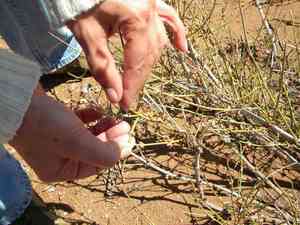
Rough jointfir flourishes when relocated from early to late spring or during the period spanning late autumn to mid-winter, enabling it to settle prior to intense growth periods. Select a bright, adequately draining spot for its best development. Gently manage the root system to prevent harm.
Essential Preparations Before Relocating Rough Jointfir?
Optimal Period for Moving Rough Jointfir?
The prime window for relocating rough jointfir spans from early to late spring and late autumn to mid-winter. Moving it during these periods reduces stress and promotes robust root development, enhancing the plant's survival rate. These seasons offer moderate temperatures and adequate moisture, fostering healthier growth as rough jointfir adapts to its new spot.
Recommended Spacing Between Rough Jointfir Specimens?
When preparing to move rough jointfir, ensure a separation of 3-4 feet (90-120 cm) between plants. This provides ample room for their growth and flourishing without overcrowding.
Ideal Soil Mixture for Rough Jointfir Relocation?
For rough jointfir, prepare a well-draining soil, preferably with a sandy or gravelly consistency. Incorporate some organic compost to give the roots a strong start. A balanced NPK base fertilizer can also be beneficial.
Optimal New Location for Your Rough Jointfir?
Rough jointfir thrives in sunlight, so select a site that receives full sun for the majority of the day (at least 6-8 hours). This will ensure the plant remains healthy and vigorous.
Necessary Equipment for Rough Jointfir Transplantation?
Gardening Gloves
To safeguard your hands while handling soil and the plant.
Shovel or Spade
For excavating the plant from its original spot and digging the new hole.
Wheelbarrow or Garden Cart
To transport the plant if it is large or heavy.
Pruning Shears
To trim any damaged roots or foliage prior to relocation.
Watering Can or Hose
To hydrate the plant before and after its move.
Mulch
To maintain soil moisture and temperature around the new planting site.
Method for Extracting Rough Jointfir from the Ground?
Method for Extracting Rough Jointfir from the Ground?
From Ground: First, moisten the soil surrounding the rough jointfir plant. Next, excavate a wide trench around the plant using a shovel or spade, ensuring the root ball remains intact. Carefully work the spade beneath the root ball to lift the plant from its original position. Gently dislodge excess soil from the roots and place the plant in a wheelbarrow or garden cart for transport.From Pot: Thoroughly water the rough jointfir plant to ensure the soil is damp. Gently tap the pot's sides to loosen the soil, then carefully slide the plant out, supporting the root ball with your hand. If the plant is root-bound, use pruning shears to cut and untangle some roots before transplanting.From Seedling Tray: Water the rough jointfir seedlings to make the soil easier to manage. Use a small implement, such as a butter knife or a transplanting tool, to carefully lift each seedling, taking care to keep as much soil around the roots as possible. Handle the seedlings gently by their leaves, not their stems, to prevent damage.
Step-by-Step Guide for Relocating Rough Jointfir
Prepare New Site
Excavate a hole in the ground that is twice the width and equal to the depth of your rough jointfir plant's root ball. This provides ample space for the roots to expand and establish themselves.
Plant Placement
Position the rough jointfir plant in the hole, ensuring it rests at the same depth as it did in its previous location. The top of the root ball should be level with the surrounding soil.
Backfill and Water
Refill the hole with soil, gently compacting it to eliminate any air pockets. Once the hole is filled, thoroughly water the plant to help the soil settle around the roots.
Mulching
Apply a layer of mulch around the base of the rough jointfir plant to help retain moisture and regulate soil temperature. Be careful not to pile the mulch against the plant's stem.
Post-Transplantation Care for Rough Jointfir
Watering
Keep the soil around the rough jointfir consistently moist, but not waterlogged, for the initial weeks after relocation to aid in establishing strong roots.
Monitoring
Regularly inspect the rough jointfir plant for indications of transplant shock, such as wilting or yellowing leaves, and address any issues promptly.
Pruning
Remove any damaged or dead foliage to encourage the rough jointfir plant to direct its energy towards developing new roots.
Addressing Common Issues with Rough Jointfir Relocation.
When is the best time to transplant rough jointfir?
The optimal period to relocate rough jointfir is early to late spring or late fall to mid-winter.
How much space should be between each rough jointfir plant?
Ensure a spacing of 3 to 4 feet (91 to 122 cm) between each rough jointfir plant.
How do I prepare the soil before transplanting rough jointfir?
Loosen the soil to a depth of 10 inches (25 cm) and mix in compost for improved drainage.
What should I do if rough jointfir shows signs of stress after transplanting?
Water deeply and provide partial shade. Avoid immediate fertilization after transplanting to minimize stress.
How much water does rough jointfir need after transplanting?
Water thoroughly after relocating and keep the soil moist but not saturated until established.
Can I transplant rough jointfir in summer?
It's advisable to avoid summer transplants due to heat stress. Choose cooler seasons instead.
How deep should I plant rough jointfir during transplanting?
Plant rough jointfir at the same depth it was growing in the pot to prevent root problems.
What type of mulch is best for rough jointfir?
Utilize organic mulch like bark or straw to retain moisture and regulate soil temperature.
Should I prune rough jointfir before transplanting?
Light pruning can help reduce stress by minimizing water loss. Avoid extensive pruning just before relocating.
What temperature range is ideal for transplanting rough jointfir?
The ideal temperature for relocating rough jointfir is between 50-70°F (10-21°C) for optimal establishment.



