The Rough jointfir Plant Advantage: Maximizing Home and Office Appeal and Wellness
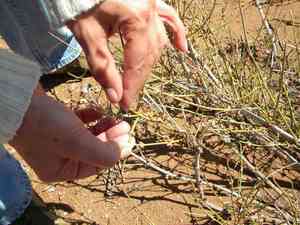
1
Rough jointfir thrives in dry environments, making it an ideal choice for xeriscaping.
2
This plant has been historically utilized in various traditional customs due to its diverse uses.
3
Rough jointfir provides multiple environmental advantages, such as preventing soil erosion and fostering diverse ecosystems.
Why Rough jointfir Thrives in Dry Climates?
Survival in Tough Conditions
Rough jointfir has evolved to endure the most challenging environments, tolerating extreme temperatures and scarce water. This adaptability ensures its survival and makes it a robust addition to arid landscapes. Its deep root system accesses underground water, while its above-ground features reduce moisture loss.
Minimal Care Requirements
A key advantage of Rough jointfir is its low-maintenance nature. Once established, it needs little attention, cutting down on frequent watering and fertilizing. This quality makes it perfect for xeriscaping, where water conservation is vital.
Traditional Uses and Applications
Historical Importance
Rough jointfir has been used for centuries by various cultures, especially in its native regions. Its hardiness and usefulness have secured its place in many traditional practices. Both indigenous and ancient peoples have found diverse applications for Rough jointfir, leveraging its availability and properties.
Diverse Applications
From crafting materials to natural dyes, Rough jointfir has been employed in numerous ways. Its fibers are used to create tools and structures, showcasing the plant's versatility. Furthermore, its durable nature ensures these applications are sustainable and environmentally friendly.
Ecological Advantages of Rough jointfir
Soil Stabilization
Beyond its resilience, Rough jointfir plays a vital role in stabilizing soil. Its extensive root network helps prevent soil erosion, a common problem in dry and semi-arid areas. By anchoring the soil, Rough jointfir aids in landscape preservation and prevents desertification.
Supporting Biodiversity
The presence of Rough jointfir in an ecosystem can support a wide array of plants and animals. Its ability to flourish in harsh conditions creates microhabitats that shelter various species, contributing to rich and balanced biodiversity. This ecological role highlights its importance beyond human use.
A Sustainable Choice for Landscaping
Eco-Friendly Landscaping
Incorporating Rough jointfir into landscaping projects offers an environmentally sound solution that aligns with sustainable practices. Its low water needs and minimal upkeep reduce the resource demands typically associated with gardening. This makes Rough jointfir an ideal plant for creating sustainable outdoor spaces.
Aesthetic and Practical Benefits
Rough jointfir not only serves practical purposes but also enhances the visual appeal of any landscape. Its unique look and ability to survive in dry conditions add visual interest and texture to gardens and natural areas. This dual benefit of utility and beauty makes Rough jointfir a valuable addition to various landscaping designs.



