How to Prune Rough jointfir?
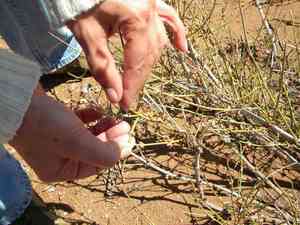
Valued for its robust, perennial leaves, rough jointfir flourishes with little upkeep yet significantly gains from deliberate trimming. Perform pruning during the inactive period in winter to improve air movement and sunlight penetration, which are vital for its well-being and strength. Remove any lifeless or impaired branches to preserve its dense form and stimulate fresh development. Consistent trimming also aids in deterring prevalent pests and illnesses, guaranteeing vigorous development. Verify that instruments are keen and sanitized to avert contamination.
What Are the Benefits of Pruning Rough Jointfir?
What Are the Benefits of Pruning Rough Jointfir?
Trimming rough jointfir encourages robust development and helps maintain its desired form. Regular cutting prevents excessive growth, ensuring optimal health and visual appeal.
What Is the Best Time for Pruning Rough Jointfir?
What Is the Best Time for Pruning Rough Jointfir?
Pruning rough jointfir in winter is optimal as the plant is inactive then. During dormancy, rough jointfir has reduced metabolic activity, which lessens stress from pruning. This timing also allows for removing old growth before spring's growth spurt, promoting healthier, more vigorous development. Additionally, with fewer leaves, it's easier to see and better shape rough jointfir's structure. This strategic timing avoids cutting during active growth in spring and summer, letting it use energy for strong roots and new shoots during the growing season.
What Tools Do I Need to Prune Rough Jointfir?
Hand Pruners
Perfect for making precise cuts on rough jointfir's relatively slender stems, hand pruners ensure the plant continues healthy growth by removing dead or overgrown branches without harming its structure.
Lopping Shears
Suitable for cutting through thicker branches that hand pruners might not manage effectively. Rough jointfir can develop thicker branches, especially as it matures, and lopping shears offer the necessary leverage and cutting power.
Pruning Saw
Recommended for rough jointfir's thickest branches, where loppers may still struggle. A pruning saw helps make clean cuts through tough, woody stems without tearing plant tissue, promoting better healing.
How to Prune Rough Jointfir
Identify
Inspect rough jointfir thoroughly for withered leaves, dead, and diseased branches. Focus on pinpointing the specific parts needing trimming, ensuring accurate targeting in subsequent steps.
Sanitize
Before pruning, disinfect your pruning shears or clippers with rubbing alcohol or a 10% bleach solution to prevent disease spread. This is vital, especially when dealing with diseased branches.
Cut withered leaves
Carefully remove withered leaves by snipping them at the base where the leaf connects to the branch. Use clean, sharp shears to make a clean cut without damaging rough jointfir's healthy parts.
Prune branches
For dead and diseased branches, cut back to a healthy segment, ensuring the cut is at a 45-degree angle to promote natural healing and water runoff. If a branch is thick, use a sawing motion with a sanitized saw for a clean cut.
Cleanup
Properly dispose of all removed material (withered leaves, and dead or diseased branches) to prevent reinfection or pests attacking rough jointfir. Cleanup should be thorough, removing all debris from the surrounding area.
Common Pruning Mistakes with Rough Jointfir
Overpruning
Removing too much foliage from rough jointfir can severely impair its ability to photosynthesize and recover. It's crucial to prune no more than one-third of the foliage at any given time.
Incorrect cut placement
Cuts made too far from a node or too close can result in poor regrowth or damage to the remaining stem. Always cut just above a node where new growth can emerge.
Using blunt tools
Utilizing dull pruning tools can cause unnecessary injury to rough jointfir's branches, leading to ragged cuts that heal poorly and invite pests or disease.
Common Pruning Tips for Rough Jointfir
Sharp tools
Always use sharp, clean pruning shears or scissors to make clean cuts. This helps prevent damage to rough jointfir's tissues, promoting quicker healing and reducing disease risk.
Prune for shape
Focus on maintaining rough jointfir's natural shape. Remove only branches that are clearly dead, damaged, or diseased, and those that are crossing or rubbing against each other, to improve air circulation and light penetration.
Aftercare followup
After pruning, ensure rough jointfir receives adequate water and monitor for signs of stress. A light application of a balanced fertilizer can also help rough jointfir recover and thrive post-pruning.



