How to Transplant Anchored water hyacinth?
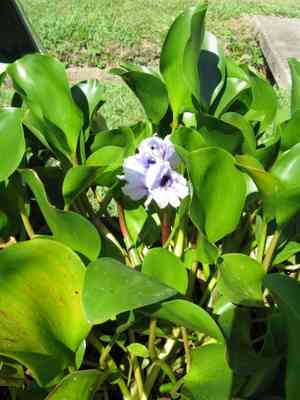
For rooted water hyacinth, the spring equinox marks the ideal period for relocation, promoting vigorous development. Select a sun-drenched, watery environment with sufficient space. Careful manipulation is crucial to safeguard fragile root systems.
What Preparations are Needed Before Transplanting Anchored Water Hyacinth?
What is the Ideal Time for Transplanting Anchored Water Hyacinth?
The optimal period to relocate anchored water hyacinth is during the spring months, often considered a time of renewal for many perennial plants. This season allows anchored water hyacinth to establish itself before the summer growth surge. By selecting this time of mild warmth and increasing daylight, you provide anchored water hyacinth the chance to develop strong root systems, ensuring a burst of vigor as warmer weather approaches. This guarantees a smooth transition, offering ample time for anchored water hyacinth to adapt and flourish in its new spot.
How Much Space Should You Leave Between Anchored Water Hyacinth Plants?
Plan to provide your anchored water hyacinth ample room to expand. Position your plants approximately 2-3 feet (0.6-0.9 meters) apart. This ensures they have sufficient space to grow and will not excessively compete for resources.
What is the Best Soil Mix for Anchored Water Hyacinth Transplanting?
Prior to planting your anchored water hyacinth, prepare the bed with well-draining soil and enrich it with a slow-release base fertilizer. This nutrient source provides sustenance over time, supporting the plant's growth and vitality.
Where Should You Relocate Your Anchored Water Hyacinth?
Select a sunny location for your anchored water hyacinth. It thrives with abundant sunlight. Full sun exposure for at least half a day ensures your plant will develop healthily and robustly.
What Equipments Should You Prepare Before Transplantation Anchored Water Hyacinth?
Gardening Gloves
To safeguard your hands while handling the plant and soil.
Shovel or Garden Spade
Useful for excavating holes in the ground and for carefully extracting the anchored water hyacinth from its original position.
Watering Can
To gently irrigate the anchored water hyacinth during and after the relocation process.
Wheelbarrow (optional)
Beneficial for moving large anchored water hyacinth plants or multiple smaller ones.
Trowel
This hand tool is ideal for greater precision when transplanting the anchored water hyacinth.
How Do You Remove Anchored Water Hyacinth from the Soil?
How Do You Remove Anchored Water Hyacinth from the Soil?
From Ground: Start by watering the anchored water hyacinth plant to moisten the earth. Next, dig a wide circle around the plant with your shovel or spade, ensuring you preserve the integrity of the plant's root ball. Work your spade beneath the root ball and carefully lift the plant from its initial spot. Be gentle and patient during this process, as you want to avoid damaging any roots.From Pot: If the anchored water hyacinth is in a container, begin by watering the plant. Then, turn the pot on its side, gently hold the plant at its base, and tap the bottom of the container until the plant slides out. Again, you must ensure not to harm the root ball.From Seedling Tray: If you are starting with a seedling tray, water the seedlings first. Then, gently use a tool like a spoon or a small trowel to scoop out the seedling. The goal here is to extract the entire root system without damaging the roots or compacting the surrounding soil.
Step-by-Step Guide for Transplanting Anchored Water Hyacinth
Plant Preparation
Begin by submerging the anchored water hyacinth in a bucket of water to ensure it is fully hydrated before moving it. This helps minimize stress on the plant.
Digging a New Hole
Prepare the new site for the anchored water hyacinth by digging a hole that is twice as wide and approximately the same depth as the plant's root ball. You want the anchored water hyacinth to have ample space to spread its roots.
Placement
Carefully position the anchored water hyacinth in the hole. Adjust the soil beneath it if necessary so that the plant is level with the ground.
Refilling
Gently backfill the hole with soil, ensuring there are no air pockets. Press lightly around the base of the anchored water hyacinth to provide stability.
Watering
Thoroughly water the plant. This will help the anchored water hyacinth settle into its new location and promote root development.
How Do You Care For Anchored Water Hyacinth After Transplanting?
Watering
For the initial few weeks, focus on keeping the soil damp, but not waterlogged, to encourage root growth. As a general guideline, you should water the anchored water hyacinth enough so that the water reaches the depth of its root system, but without leaving the plant in standing water.
Pruning
Depending on the condition of your anchored water hyacinth plant, you might need to lightly prune it after transplanting to balance the top growth with the root system. Concentrate on any damaged or broken branches to give the plant a better chance of survival.
Protection
Consider erecting a temporary shade (such as a garden umbrella) to shield the anchored water hyacinth from the afternoon sun initially. This way, the anchored water hyacinth will not suffer from sun scorch while it recovers from the shock of relocation.
Troubleshooting Common Issues with Anchored Water Hyacinth Transplantation.
What time of the year is best to transplant anchored water hyacinth?
The ideal time to transplant anchored water hyacinth is during season 1 through to season 3. It's a great time for the plant to adjust and settle in its new home.
What should be the ideal spacing between each anchored water hyacinth during transplanting?
Ideally, each anchored water hyacinth should be spaced about 2-3 feet (60-90 cm) apart. This ensures each plant gets enough sunlight, nutrients, and room to grow.
What is the ideal soil condition for transplanting anchored water hyacinth?
Anchored water hyacinth prefers rich, well-draining soil. It's crucial to ensure the soil contains a good mix of nutrients for the plant to thrive after transplanting.
How much water should I give anchored water hyacinth right after transplanting?
Anchored water hyacinth loves a damp environment. Right after transplanting, ensure the soil is well-moistened but not waterlogged. Overwatering may cause root rot.
What to do if anchored water hyacinth shows signs of wilting after transplanting?
If anchored water hyacinth wilts post-transplanting, it's usually a temporary shock reaction. Maintain adequate watering and make sure it's getting enough sunlight. Be patient, the plant should revive soon.
Why are the leaves of my anchored water hyacinth turning yellow after I transplanted it?
Yellow leaves generally suggest overwatering or lack of nutrients. Check your watering regimen and the quality of the soil. You might need to add more compost or fertilizer.
Is it normal for anchored water hyacinth to drop flowers after transplanting?
Yes, it's not unusual for transplanted anchored water hyacinth to drop flowers as they adjust to a new location. Once the plant stabilizes, it will start flowering again.
Do I need to prune anchored water hyacinth before transplanting?
Pruning isn't required prior to transplanting. However, you may trim dead or yellowed leaves or flowers to focus the plant's energy on settling into the new place.
What's the ideal depth to plant anchored water hyacinth during transplant?
While transplanting, aim to cover the roots completely with soil. Usually, a depth of 6-8 inches (15-20 cm) is fine, depending on the size of the root ball.
How can I avoid root damage while transplanting anchored water hyacinth?
Handle roots gently during transplant. Loosen the surrounding soil and gradually lift the plant to minimize tearing or breaking. After transplanting, deep water to settle the soil around the roots.



