How to Prune Anchored water hyacinth?
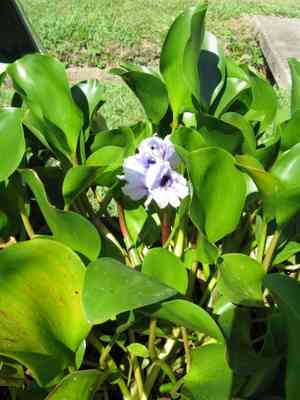
A vibrant aquatic decorative plant, anchored water hyacinth flourishes in moist habitats. Trimming should concentrate on eliminating faded blooms and deceased or discolored leaves to preserve its well-being and appearance. The most effective time for pruning is from spring to autumn to stimulate fresh development and curb excessive proliferation. Consistent upkeep manages its rapid expansion, fosters air movement, and boosts blossom production. Implements must be disinfected to avert the spread of pathogens. The advantages of frequent pruning encompass less detritus and enhanced water purity in areas where anchored water hyacinth is cultivated.
What Are the Benefits of Pruning Anchored Water Hyacinth?
What Are the Benefits of Pruning Anchored Water Hyacinth?
Trimming anchored water hyacinth promotes robust development and helps preserve its desired form, ensuring a neatly kept aquatic garden aesthetic.
What Is the Best Time for Pruning Anchored Water Hyacinth?
What Is the Best Time for Pruning Anchored Water Hyacinth?
Pruning anchored water hyacinth in Spring is optimal as it marks the start of the growing season, encouraging new growth and quick recovery. Early Summer is also suitable, especially after the initial growth spurt, to shape the plant and remove excess or unwanted parts. Trimming in Fall helps remove spent or dead foliage and prepares anchored water hyacinth for winter by reducing energy spent on unnecessary leaves. This timing aligns with anchored water hyacinth's growth cycle, where active growth occurs mainly in warmer months and slows as temperatures drop. Optimal pruning periods ensure the plant stays vigorous, healthy, and can direct energy to new growth and blooms in the next season.
What Tools Do I Need to Prune Anchored Water Hyacinth?
Long-handled shears
Perfect for reaching into the water without overly disturbing the plant.
Pond skimmer net
Useful for collecting trimmed pieces of anchored water hyacinth from the water, maintaining cleanliness and reducing accidental propagation.
Hand pruners
Helpful for precise trimming of anchored water hyacinth, promoting healthy growth and controlling its spread.
Garden scissors
Suitable for cutting softer stems and performing routine maintenance trimming.
Aquatic weed razor
Effective for cutting through thicker stems and extensive growth beneath the water surface.
How to Prune Anchored Water Hyacinth
Clean Tools
Before pruning anchored water hyacinth, sanitize all cutting tools to prevent disease transmission. Use a solution of 1 part bleach to 9 parts water to disinfect shear or scissor blades.
Remove Diseased Leaves
Carefully inspect anchored water hyacinth for any diseased leaves. Use your sterilized pruning tools to cut these leaves at their base where they meet the stem. Dispose of them away from healthy plants to avoid contamination.
Prune Withered Leaves
Identify withered or yellowing leaves on anchored water hyacinth. Gently cut these leaves at the base, ensuring you do not harm new growth or nearby healthy leaves.
Trim Dead Branches
Locate and remove dead branches from anchored water hyacinth. Make clean cuts at the base of the dead branches, taking care not to damage the main stem or nearby healthy branches.
Remove Diseased Branches
Prune any diseased branches from anchored water hyacinth by making a diagonal cut well below the affected area to prevent pathogen spread. Seal cuts on larger branches with pruning sealer to protect against disease and pests.
Common Pruning Mistakes with Anchored Water Hyacinth
Overpruning
Removing too many leaves or stems, which can weaken anchored water hyacinth and reduce its ability to photosynthesize effectively.
Pruning Healthy Blooms
Cutting off healthy flowers can prevent anchored water hyacinth from reproducing and maintaining its population. It's crucial to identify which blooms to prune.
Disregarding Plant Structure
Not considering the natural shape and growth pattern of anchored water hyacinth might lead to an unbalanced plant which may not float properly.
Using Dull Tools
Pruning with dull or unclean tools can damage anchored water hyacinth stems and leaves, leaving them susceptible to diseases.
Ignoring Dead Material
Failing to remove dead or dying material can invite pests and diseases, weakening the overall health of anchored water hyacinth.
Neglecting Water Quality
Overlooking the impact of dead plant material on water quality cannot only affect anchored water hyacinth, but also the aquatic environment it resides in.
Common Pruning Tips for Anchored Water Hyacinth
Selective Cutting
Focus on removing only the dead or overcrowded parts of anchored water hyacinth to maintain healthy growth and allow light to reach all parts of the plant.
Sharp Clean Tools
Use sharp, clean cutting tools to make precise cuts on anchored water hyacinth, thus avoiding tearing the stems and reducing disease risk.
Post-Bloom Pruning
Prune spent blooms to encourage more flowering and prevent anchored water hyacinth from putting energy into seed production, which is not necessary if propagation is not intended.
Habitat Conservation
Take care to dispose pruned parts of anchored water hyacinth responsibly, as they can easily become invasive if introduced to non-native habitats.
Moderation
Prune anchored water hyacinth sparingly, ensuring that enough foliage is left for photosynthesis and to maintain the plantâs buoyancy in the water.
Aesthetic Shaping
While shaping anchored water hyacinth, aim for a natural appearance that aligns with the plant's growth pattern to keep it looking healthy and attractive.



