Enhancing Your Garden Design with the Anchored water hyacinth Plant: A Landscaping Guide
1
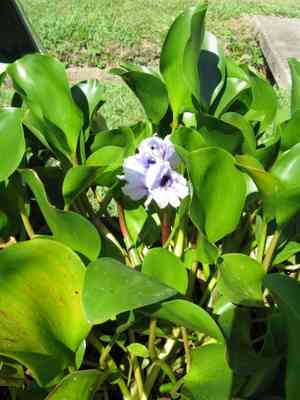
Anchored water hyacinth introduces attractive foliage and vivid blooms to any garden area.
2
These plants flourish in moist ground and are a superb inclusion for aquatic displays.
3
Regular care guarantees that Anchored water hyacinth retains its visual charm and vitality.
Introducing Anchored Water Hyacinth in Landscape Design
Understanding Anchored Water Hyacinth's Role in Outdoor Spaces
Integrating Anchored water hyacinth into your garden can profoundly transform its atmosphere, introducing exotic beauty and a sense of calm. These plants are especially suited for aquatic settings, where their vivid, floating foliage and subtle blossoms can form a peaceful sanctuary. Whether you're an experienced gardener or a novice, comprehending how Anchored water hyacinth can influence your outdoor area will help you maximize this distinctive plant's potential.
Advantages of Incorporating Anchored Water Hyacinth into Your Garden
Anchored water hyacinth offers several benefits when integrated into your garden's design. This species aids in improving water quality by absorbing nutrients and pollutants, acting as a natural filtration system. Furthermore, their lush appearance can foster a relaxing ambiance, ideal for unwinding. The plant's rapid growth rate can also yield quick results, filling voids in your landscape and adding immediate visual appeal. Additionally, their capacity to attract pollinators like bees and butterflies can boost your garden's biodiversity.
Design Concepts for Integrating Anchored Water Hyacinth into Your Landscape
Creating Visual Centers with Anchored Water Hyacinth
Utilizing Anchored water hyacinth as a focal point in your garden can draw attention and establish a sense of unity. Position them in central areas of your pond or water feature to instantly capture the eye. Their unique structure and striking flowers can serve as a natural centerpiece. Another approach is to use decorative pots or floating containers to display Anchored water hyacinth in various garden sections, allowing you to manage their growth and maintain focus.
Enhancing Water Features with Anchored Water Hyacinth
One of the best methods to showcase Anchored water hyacinth is by incorporating them into water features such as ponds, fountains, or small streams. Their ability to flourish in aquatic environments makes them a natural complement to these elements. By surrounding your water feature with Anchored water hyacinth, you create a seamless transition between different garden components, enhancing both the visual and auditory experience as the plants gently move with the water's current.
Using Anchored Water Hyacinth for Edges and Framing
Another inventive way to employ Anchored water hyacinth in your garden is by using them to define borders. Plant them along the edges of water gardens or near pathways to create a tranquil frame. This not only helps delineate spaces but also softens harsh lines, adding a natural, flowing contrast to more structured garden elements. As the plants mature, they can provide a lush, green boundary that is both practical and decorative.
Seasonal Considerations for Anchored Water Hyacinth in Your Garden
Optimal Seasons for Planting Anchored Water Hyacinth for Best Growth
To ensure the health and longevity of Anchored water hyacinth, it's essential to plant them during the appropriate season. Early spring is an ideal period, as the moderate temperatures and increasing daylight provide a perfect environment for development. This allows the plants to establish themselves before the more extreme conditions of summer. During this time, consistent monitoring and care will help Anchored water hyacinth adapt and flourish.
Preparing Anchored Water Hyacinth for Various Climatic Conditions
As weather patterns shift, it's important to adjust your care routine for Anchored water hyacinth. In colder regions, these plants may need to be moved indoors or to a greenhouse to shield them from frost. During hot, dry periods, ensure they receive sufficient water to sustain their growth. Providing adequate shade can also prevent leaf scorching. By taking these measures, you can maintain the health and vibrancy of Anchored water hyacinth throughout the year.
Combining Anchored Water Hyacinth with Other Flora
Ideal Companion Plants for Anchored Water Hyacinth
Pairing Anchored water hyacinth with suitable companion plants can enhance your garden's overall visual appeal and ecological balance. Consider plants that thrive in similar aquatic or moist conditions, such as water lilies, irises, or marsh marigolds. These companions can complement Anchored water hyacinth aesthetically while contributing to a flourishing, biodiverse ecosystem.
Creating Color Contrasts and Textures with Anchored Water Hyacinth
To generate dynamic visuals in your garden, consider using Anchored water hyacinth to introduce contrasting colors and textures. Their lush, green foliage can provide a striking contrast to more colorful plants, while the delicate flowers add a touch of elegance. Incorporating plants with varying heights and leaf shapes nearby can enhance the textural diversity, making your garden more engaging and visually appealing.
Maintenance Advice for Thriving Anchored Water Hyacinth
Regular Inspections and Balances for Healthy Anchored Water Hyacinth
Consistent maintenance is crucial for keeping Anchored water hyacinth healthy and vibrant. Conduct routine checks to assess the plant's growth and overall condition. Remove any yellowing or dead leaves to prevent disease and encourage new growth. Monitoring water quality and nutrient levels can also ensure that Anchored water hyacinth receives the necessary resources to thrive. Implementing these practices will help your plants remain robust and beautiful throughout the seasons.
Managing Excessive Growth and Preserving Aesthetic Appeal
Anchored water hyacinth can grow quite rapidly, so managing overgrowth is essential for maintaining the plant's aesthetic appeal. Periodically thin out the plants to prevent overcrowding and to ensure that sunlight and water reach all areas effectively. Pruning excess growth can also help maintain the desired shape and size of the plant, keeping it a harmonious part of your garden landscape.



