How to Propagate Anchored water hyacinth?
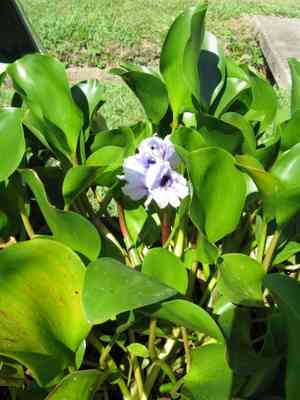
A graceful aquatic plant that floats, the anchored water hyacinth, flourishes in pond environments and can be successfully multiplied via cuttings. Begin with vigorous parent plants, detaching sturdy segments, making sure each portion possesses sufficient foliage and root structures. Position these severed pieces in aquatic conditions mirroring those of the original plant, enabling them to develop new root networks. Consistent water characteristics and careful handling enhance the likelihood of successful rooting, while diffused illumination fosters consistent development. Frequent inspection for infestations and decay guarantees the health of anchored water hyacinth during its propagation.
Optimal Time for Anchored Water Hyacinth Propagation
Propagation Method
Cutting
Propagation Period
Spring,Summer
Tools Required for Anchored Water Hyacinth Propagation
Sharp Scissors or Pruning Shears
These implements are vital for making clean, precise cuts on anchored water hyacinth stems. A clean incision prevents tissue damage, lowers infection risk, and improves survival and growth rates for new cuttings.
Water Containers
Receptacles filled with fresh water are essential for immediately placing newly severed anchored water hyacinth segments. This prevents air bubbles in cut tissues and maintains hydration until roots form, crucial for successful aquatic plant propagation.
Rooting Hormone
Though not always mandatory, applying a rooting hormone to the cut ends of anchored water hyacinth can accelerate root development. Rooting hormones contain auxins, which boost root growth and encourage faster establishment during propagation.
Floating Rafts or Mats
Anchored water hyacinth thrives in aquatic settings, and floating rafts or mats can support cuttings in larger water bodies. These tools keep the plant buoyant, provide ample sunlight, and stabilize young plants as they root.
Nutrient-Rich Water or a Balanced Hydroponic Solution
Appropriate nutrient solutions are critical during anchored water hyacinth propagation to support initial growth in water environments. These solutions supply vital minerals for robust plant development, aiding in the establishment of healthy new plants from cuttings.
How to Propagate Anchored Water Hyacinth?
Propagation Difficulty
Easy
Post-Propagation Care for Your Anchored Water Hyacinth
How to Care for Your Newly Propagated Anchored Water Hyacinth?
To care for anchored water hyacinth after propagation, maintain water quality by avoiding overcrowding and regularly removing decaying plant matter. Fertilize sparingly to prevent excessive growth and nutrient pollution. Ensure ample sunlight, and periodically divide dense clusters to promote healthy growth and prevent shading. Protect from extreme temperatures as anchored water hyacinth are vulnerable to frost damage.
Common Errors to Avoid When Propagating Anchored Water Hyacinth
Overcrowding
Placing anchored water hyacinth propagation starts too close together can restrict light and nutrient availability, impeding growth and increasing disease susceptibility.
Overwatering
While anchored water hyacinth thrives in aquatic environments, excessive water can lead to rot in new propagules. Adequate aeration and water circulation are crucial for healthy development.
Neglecting water quality
Anchored water hyacinth is sensitive to water contaminants. Propagating in polluted water can result in poor plant health or propagation failure.
Ignoring pest management
Anchored water hyacinth can be susceptible to pests like snails, which may harm young shoots. Failing to manage pests can lead to the loss of propagation material.
Tips for Propagating Anchored Water Hyacinth
Appropriate spacing
Provide sufficient room between propagation starts to ensure adequate light and nutrient access for each anchored water hyacinth, fostering healthy growth.
Controlled watering
Maintain water levels suitable for anchored water hyacinth propagation, ensuring the water is clean and well-oxygenated to support root development without rot.
Regular water testing
Monitor and maintain water quality by testing parameters such as pH and nutrient levels, to optimize conditions for anchored water hyacinth propagation.
Pest monitoring
Regularly inspect anchored water hyacinth plants for signs of pests and take necessary actions such as manual removal or environmentally safe pest control methods.



